
Ghana pushes African nations to strengthen drug-fighting cooperation as synthetic drugs threaten region
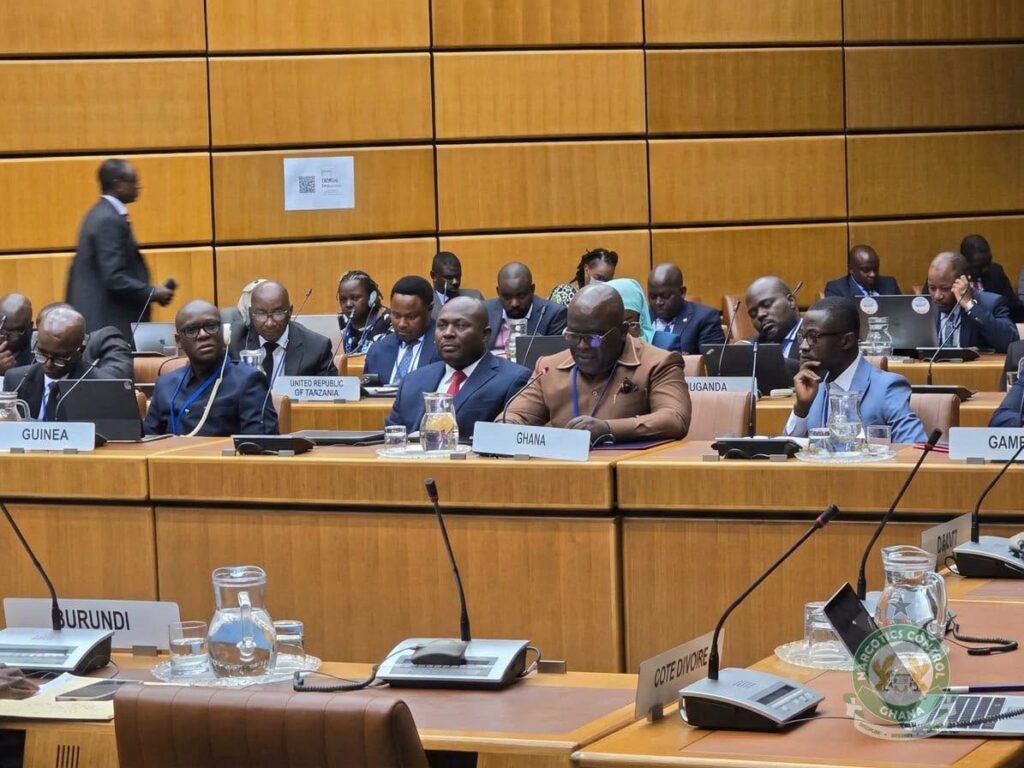

Ghana's drug enforcement chief has issued a stark warning that African nations must move beyond isolated national efforts and establish concrete cross-border cooperation to tackle an escalating synthetic drug and cocaine trafficking crisis threatening the continent.
Major-General Maxwell Obuba Mantey, Director-General of the Narcotics Control Commission (NACOC), delivered Ghana's statement at the close of the 33rd Meeting of Heads of National Drug Law Enforcement Agencies, Africa (HONLEA Africa) in Vienna last week. His message was unambiguous: transnational drug networks cannot be defeated by any single country acting alone, no matter how robust its law enforcement and border systems.
The trafficking operations ravaging African nations operate seamlessly across multiple jurisdictions, exploiting enforcement gaps and moving precursor chemicals, cocaine and illicit proceeds with minimal disruption. Major-General Mantey emphasised that cooperation is not merely diplomatic rhetoric—it is the operational foundation upon which successful national drug strategies must be built.
A practical "neighbour-to-neighbour" starting point
Rather than proposing sweeping continental frameworks, Major-General Mantey advocated a pragmatic approach: bilateral cooperation between neighbouring states as the building block for broader regional action. He highlighted Ghana's existing bilateral partnerships and cited successful examples including cooperation between The Gambia and Senegal, demonstrating that direct country-to-country collaboration yields tangible results.
His call centres on four key operational measures: increased intelligence sharing across borders, joint patrols coordinated between nations, streamlined border management protocols, and mechanisms allowing investigations in one jurisdiction to support enforcement action in another. These are not aspirational goals but essential mechanisms for disrupting organised trafficking networks at their most vulnerable points—the supply routes and transit corridors linking African states.
The West African synthetic drug emergency
Major-General Mantey referenced a high-level dialogue Ghana hosted in Accra in November 2025 on the future of West African drug markets. The discussion revealed alarming trends: the explosive growth of synthetic drugs, their particular appeal to young people, and the capacity of organised crime networks to corrupt state institutions through illicit financial flows. These are not theoretical concerns—they represent an existential threat to governance and stability across the region.
Synthetic drugs, unlike cocaine and heroin, can be manufactured using widely available precursor chemicals and do not require traditional agricultural supply chains. This makes them cheaper, more potent and far easier to smuggle across borders in small, high-value quantities. West Africa, with its porous borders and limited enforcement resources, is an ideal market for traffickers seeking to expand their operations.
Why it matters for Ghana
Ghana occupies a strategic position in West Africa's drug trade. The country serves as both a transit hub and a growing consumer market, making it a flashpoint for both international trafficking and the social consequences of drug abuse. The surge in synthetic drug use among Ghanaian youth represents an emerging public health crisis with profound implications for economic productivity, education and social stability.
More broadly, drug trafficking revenues fund organised crime networks that corrupt officials, destabilise communities and weaken state capacity. By pushing for genuine cross-border cooperation—not just symbolic agreements—Ghana is positioning itself as a serious regional player in combating this threat. Major-General Mantey's emphasis on "progress, not promises" signals that Ghana expects tangible results from the commitments African nations made at the Vienna meeting.
For ordinary Ghanaians, this translates to the prospect of reduced drug availability in communities, stronger border security, more effective law enforcement coordination with neighbouring countries, and ultimately, greater stability and security. The challenge now lies in converting the rhetoric of the Vienna meeting into operational reality on the ground.
Source: MyJoyOnline




Comments (0)
Be the first to comment.