Ghana's Central Bank Launches Virtual Assets Oversight Body to Protect Consumers

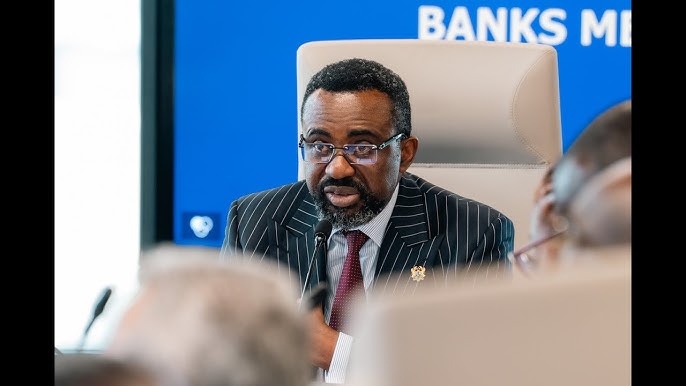
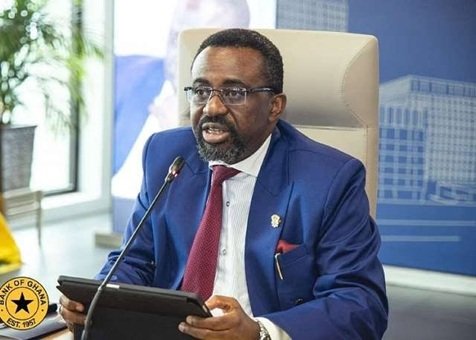
Ghana's financial regulator has taken a significant step towards formalising oversight of the virtual assets sector with the inauguration of a new coordinating committee by Bank of Ghana Governor Asiama. The committee has been established to provide strategic direction and coordinated oversight across the rapidly evolving digital assets landscape, as concerns about consumer protection in the crypto space intensify globally and locally.
The move signals the central bank's recognition that Ghana's growing interest in cryptocurrency and digital tokens requires a structured regulatory framework. Virtual assets—including cryptocurrencies like Bitcoin and Ethereum, as well as blockchain-based tokens—have surged in adoption among Ghanaians in recent years, yet have remained largely unregulated, leaving consumers vulnerable to fraud and market manipulation.
What the Committee Will Do
The Virtual Assets Coordinating Committee is expected to establish guidelines and best practices for the management of digital assets across financial institutions and service providers. By bringing together stakeholders from the banking sector, securities regulation, and law enforcement, the committee aims to create a cohesive approach to monitoring and controlling risks associated with virtual assets.
Governor Asiama's remarks emphasised the committee's dual mandate: protecting consumers whilst enabling innovation in the fintech space. This balanced approach reflects a broader global trend where central banks attempt to regulate crypto markets without stifling technological advancement and financial inclusion.
Why It Matters for Ghana
For Ghanaians, this development has several implications. First, it could mean clearer rules around which cryptocurrency exchanges and platforms are legitimate, helping ordinary citizens avoid scams. Second, it may pave the way for eventual licensing requirements for virtual asset service providers, ensuring that only reputable companies operate in the space. Third, it signals that the Bank of Ghana is taking seriously its responsibility to protect financial system stability as digital assets become increasingly mainstream.
Ghana has emerged as a notable player in Africa's cryptocurrency adoption, with significant remittance flows and peer-to-peer trading activity. However, the lack of clear regulation has also made the country vulnerable to fraud schemes and has hindered institutional investment. The establishment of this committee is a necessary first step towards creating the regulatory certainty that legitimate businesses and consumers alike need.
The committee's success will largely depend on its ability to balance consumer protection with practical implementation. Overly restrictive regulations could drive activity underground, whilst insufficient oversight could leave consumers exposed. How quickly the committee produces actionable guidelines and whether the Bank of Ghana will eventually introduce formal licensing requirements remain key questions for stakeholders watching this space.
The inauguration of this committee comes at a time when cryptocurrency regulation is evolving rapidly across Africa, with countries like Nigeria and South Africa also developing formal frameworks. Ghana's approach could position it as a regional leader in responsible virtual asset governance.
Source: 3News


Comments (0)
Be the first to comment.