
Ghana's Cashew Gold Rush Slipping Away: How Côte d'Ivoire is Stealing the Prize
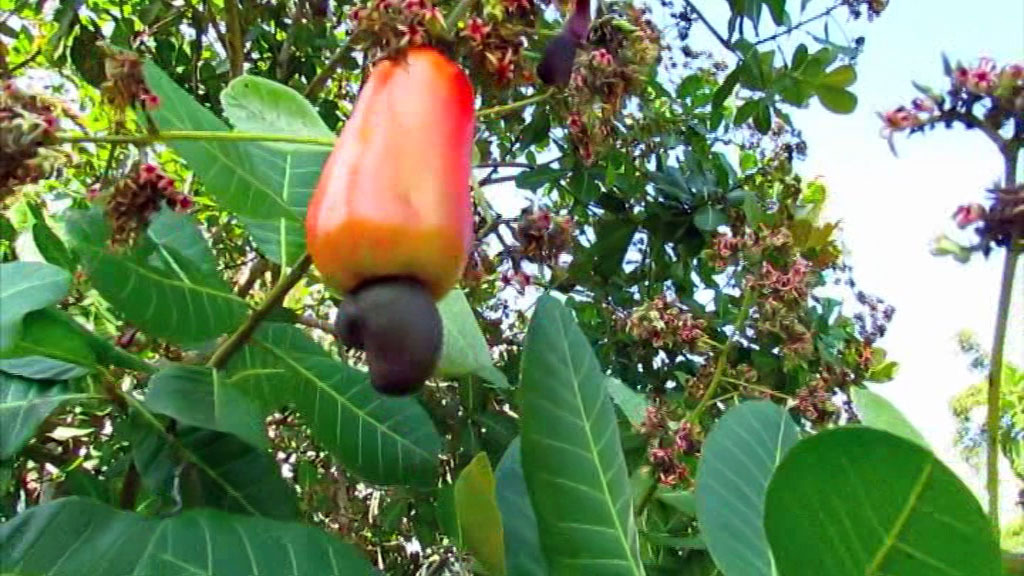
Ghana sits on a cashew goldmine worth billions, yet watches helplessly as neighbouring Côte d'Ivoire transforms the commodity into prosperity. With annual production of 262,000 metric tonnes of raw cashew nuts, Ghana processes less than six percent locally—meaning the vast majority of this agricultural wealth leaves the country unrefined, generating minimal jobs, investment or tax revenue for Ghanaian communities.
The contrast is stark and costly. While Ghanaian farmers harvest raw nuts that are shipped to Vietnam, India and other distant processors for refinement and sale at premium prices, Côte d'Ivoire has built an industrial powerhouse. The Ivorian neighbour now operates 93 active cashew processing factories, employs over 20,000 people directly in processing alone (66 percent women), and has grown production from 180,000 tonnes in 2005 to 1.5 million tonnes today. Cashew processing in Côte d'Ivoire now supports roughly three million people and anchors entire regional economies.
Ghana's Processing Crisis and Farmer Impact
The gap between production and processing has created a crisis for Ghanaian cashew farmers. Without domestic processors to absorb supply, farm-gate prices have collapsed. Rising production costs, market uncertainty and limited local demand have squeezed margins, leaving smallholder farmers—the backbone of rural Ghana—increasingly vulnerable. Industry analysts warn that without urgent intervention, Ghana risks losing the next generation of cashew producers to poverty or migration.
The economic loss is quantifiable and mounting. Each tonne of raw cashew exported unprocessed represents lost manufacturing jobs, lost industrial expertise, lost value-added export revenue and lost tax income that could fund schools, roads and clinics in cashew-growing regions. A country that should be capturing high-margin processing returns instead captures only commodity-level returns.
Why This Matters for Ghana: A Strategic Turning Point
Côte d'Ivoire's deliberate strategy offers both a warning and a blueprint. Since 2016, the Ivorian government has deployed targeted interventions: tax exemptions on processing equipment, direct financial support to processors, guaranteed raw material access for factories, and establishment of agro-industrial zones in cities like Korhogo and Bondoukou. Crucially, Côte d'Ivoire created the Cashew Transformation Technologies Innovation Centre to build technical capacity and modernise processing methods. By 2030, Côte d'Ivoire aims to process 50-60 percent of its raw nuts domestically—a target that would cement its regional dominance and further marginalise Ghana.
For Ghana, the implications are sobering. Without rapid policy action, the country risks permanent economic marginalisation in a commodity it produces competitively. Global demand for cashew products continues rising, creating unprecedented opportunity. Yet each year Ghana delays processing investment, Côte d'Ivoire captures more value, more jobs, more industrial capability and more international market relationships.
Ghanaian stakeholders are united on solutions: government must increase investment in processing infrastructure, improve access to finance for processors and farmers, develop storage capacity, create tax incentives for investors, and build brands around Ghanaian cashew quality. They also emphasise developing cashew by-products—shells, cashew apple, cashew nut shell liquid—where value-added opportunities remain largely untapped.
Ghana produced cashew before Côte d'Ivoire became a powerhouse. But competitive advantage in agriculture belongs not to those who merely grow commodities, but to those who refine, brand and trade them. The window to close Ghana's processing gap remains open—but it is closing fast.
Source: MyJoyOnline




Comments (0)
Be the first to comment.