
Ghana's Alcohol Policy Stuck in Limbo: Coalition Demands Parliament Act After a Decade of Inaction
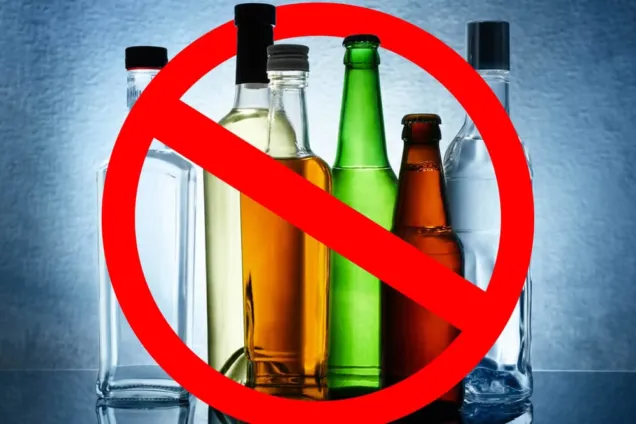

A decade after Ghana adopted its National Alcohol Policy, the country still lacks the binding legal regulations needed to enforce it — and health advocates are losing patience. The Ghana Alcohol Policy Alliance (GhanAPA) has issued a fresh and urgent call for draft alcohol control regulations to be formally laid before Parliament without further delay, warning that years of inaction have left Ghanaians exposed to the harms of unregulated alcohol consumption.
A Policy Without Teeth
Ghana's National Alcohol Policy was adopted in 2016, establishing a framework intended to reduce alcohol-related harm across the country. However, the policy has never been backed by enforceable legislation. Without regulations passed through Parliament, the policy remains largely aspirational — a document that sets out intentions but carries no legal weight to compel compliance from producers, distributors, retailers or advertisers.
GhanAPA's position is straightforward: ten years is far too long to wait. The alliance argues that the draft regulations already exist and that there is no justifiable reason for them to remain off Parliament's agenda. Every year that passes without enforceable rules is another year in which alcohol marketing goes largely unchecked, underage drinking continues without meaningful legal deterrents, and public health suffers the consequences.
Why It Matters for Ghana
Alcohol misuse is a significant and growing public health concern in Ghana. Studies across sub-Saharan Africa consistently link heavy alcohol consumption to increased rates of road traffic accidents, domestic violence, liver disease, and reduced workplace productivity. Ghana's relatively young population — with a large proportion under the age of 30 — makes the absence of robust regulatory protections particularly troubling, as young people are especially vulnerable to aggressive alcohol marketing.
The economic cost is equally serious. Health systems already stretched thin by competing demands absorb the burden of alcohol-related illness and injury. Without legal standards governing alcohol labelling, advertising restrictions, minimum age enforcement and sale conditions, Ghana's public health infrastructure continues to bear costs that effective regulation could help reduce.
Beyond health, there are economic justice concerns. Locally produced alcoholic beverages — including akpeteshie and other artisanal spirits — operate in an environment with little regulatory oversight, raising questions about product safety and consumer protection for Ghanaians who consume them.
What Needs to Happen Next
GhanAPA is pressing for the draft regulations to be formally presented to Parliament so that the legislative process can begin. Once laid before the House, the regulations would be subject to scrutiny, debate and potential amendment before being passed into law — the final step needed to give Ghana's alcohol policy genuine authority.
Health advocates stress that the process need not be lengthy if there is political will. The draft regulations have reportedly been in preparation for some time, meaning the groundwork has already been done. What is needed now, campaigners say, is a commitment from the relevant ministries and the executive to prioritise the matter and move it through the constitutional process.
- Civil society groups and public health organisations are expected to continue mounting pressure on Parliament and the Health Ministry to act swiftly.
- Ghana's neighbours and fellow ECOWAS members have faced similar challenges in translating alcohol policy into enforceable law, making Ghana's experience a test case for the region.
- Advocates also point to World Health Organisation guidelines on alcohol control, which recommend legislative measures as the most effective tool for reducing consumption-related harm at a population level.
For GhanAPA and the broader coalition of health advocates behind this push, the message is clear: good policy means nothing without the law to back it up. Ghana adopted its National Alcohol Policy with the best of intentions — now it is time for Parliament to give those intentions real force.
Source: 3News



Comments (0)
Be the first to comment.