Ghana's 24-Hour Economy Initiative Takes Centre Stage at 2026 Tourism Expo

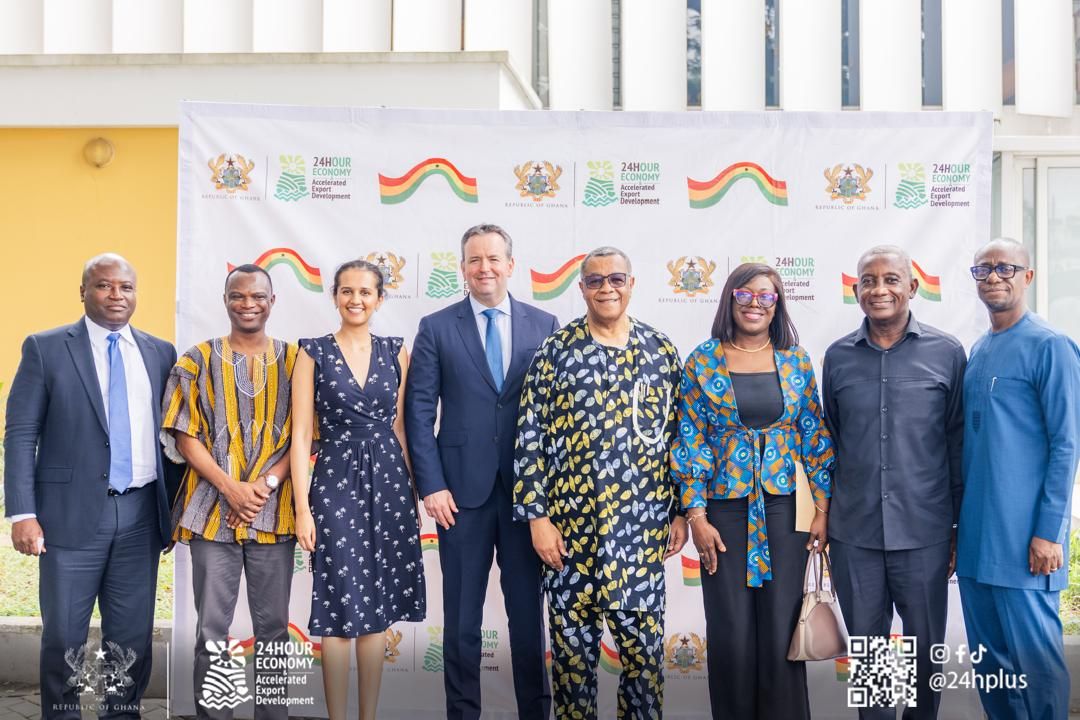
Ghana is positioning itself as a round-the-clock investment destination through a strategic partnership between the 24-Hour Economy Secretariat and the 2026 Inter Tourism Expo. The collaboration aims to integrate key economic sectors into the nation's tourism narrative, creating new avenues for local and international investment whilst reinforcing Ghana's role as a continental economic hub.
The initiative brings together three critical pillars of Ghana's economic diversification strategy: agribusiness, digital sovereignty and AfCFTA industrial acceleration. By weaving these sectors into the tourism expo framework, Ghana signals to potential investors that the country offers multifaceted opportunities beyond traditional hospitality and leisure industries.
Breaking Down the Three-Pillar Approach
Agribusiness remains central to Ghana's economic backbone, with the country leveraging its agricultural heritage to attract investment in value-added production, processing and export-ready ventures. Highlighting agribusiness at the tourism expo allows the nation to position farming and related industries as viable, modern investment channels rather than subsistence activities.
Digital sovereignty represents Ghana's commitment to building indigenous technological capacity and reducing dependence on foreign digital infrastructure. This pillar aligns with broader continental ambitions under the African Continental Free Trade Area (AfCFTA), signalling Ghana's readiness to lead in tech-driven solutions across West Africa and beyond.
The AfCFTA industrial acceleration component emphasises Ghana's strategic location within the ECOWAS bloc and its potential to serve as a manufacturing and distribution hub for the entire continental trade zone. By promoting these industrial opportunities at a tourism expo, Ghana reshapes how the country is perceived internationally—moving beyond a tourism destination to an economic powerhouse.
Why This Matters for Ghana
The 24-Hour Economy concept reflects Ghana's ambition to create a continuous, productive ecosystem where businesses operate seamlessly across sectors and time zones. This framework attracts investors seeking stability, infrastructure and regulatory clarity—qualities Ghana has been strengthening through economic reforms.
The 2026 Inter Tourism Expo provides a global platform to attract high-net-worth individuals, multinational corporations and development partners. By showcasing agribusiness, digital and trade opportunities alongside tourism offerings, Ghana differentiates itself from competitors in the region and demonstrates comprehensive economic depth.
For local entrepreneurs and small-to-medium enterprises (SMEs), the partnership signals government commitment to integrating them into larger investment narratives. Ghanaian businesses in agribusiness and digital sectors gain visibility and potential partnership opportunities with international stakeholders attending the expo.
The AfCFTA angle is particularly significant, as Ghana positions itself as a gateway for businesses seeking to access continental markets. With the free trade agreement now operational, Ghana's emphasis on industrial acceleration reflects practical steps to capitalise on reduced tariffs and increased market access across Africa.
Looking Forward
Success hinges on translating the expo's promotional activities into concrete investment flows and business partnerships. The Secretariat must ensure that promotional materials translate government ambitions into investor-ready projects with clear entry points, regulatory pathways and financial incentives.
The partnership also reflects growing recognition that modern economic development requires integrated, cross-sectoral strategies. Tourism, agribusiness, technology and trade are no longer siloed; they reinforce one another when strategically aligned.
For Ghana to realise the 24-Hour Economy vision, follow-through beyond the 2026 expo will be essential—maintaining investor interest, delivering on promised infrastructure improvements and ensuring predictable business environments will determine whether this positioning translates into sustained economic growth and job creation.
Source: 3News

Comments (0)
Be the first to comment.