Dangote Challenges Africa to Invest at Home, Not Abroad, as Continental Industrialisation Gains Momentum
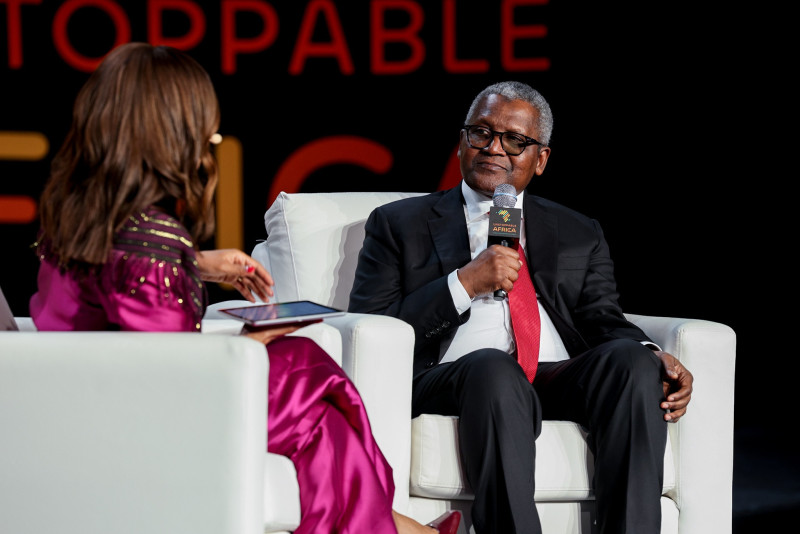
Aliko Dangote, President and CEO of the Dangote Group, has called on Africa to stop exporting its wealth and instead invest aggressively in the continent's own industrial development. Speaking at the Unstoppable Africa 2026 forum in New York, Dangote made a forceful case that Africa's economic future depends on keeping capital circulating within African economies rather than allowing it to flow into foreign banks and investment markets.
The billionaire entrepreneur drew comparisons with Asia's rapid industrialisation, arguing that Africa cannot achieve similar economic transformation while haemorrhaging capital abroad. His message resonates particularly with Ghana, which like many African nations faces persistent challenges in retaining domestic savings and attracting sufficient foreign direct investment into productive sectors.
The Case for African Capital and the AfCFTA
Dangote emphasised the critical role of the African Continental Free Trade Area (AfCFTA) in creating the scale necessary for major industrial projects. The AfCFTA, which Ghana helped establish and has been a champion of, aims to boost intra-African trade and create a unified continental market. Dangote's argument suggests that without this regional framework, individual African countries lack the market size to justify large-scale industrial investment.
His message was unequivocal: "We must believe in our continent." He acknowledged that building large organisations in Africa presents genuine challenges, but argued that momentum builds once initial obstacles are overcome. "Once you start, it gets easier. But the more you don't do anything, it becomes difficult," he stated.
The Unstoppable Africa 2026 forum drew over 3,000 African and global business leaders and heads of state, signalling genuine international appetite for African economic partnerships. This level of global engagement could create windows of opportunity for Ghana to position itself as a hub for regional manufacturing and trade, particularly in sectors like pharmaceuticals, food processing, and petrochemicals.
Why It Matters for Ghana
Ghana has long grappled with capital flight and the challenge of retaining profits generated domestically. The country's banking sector, whilst relatively developed regionally, has historically seen wealthy individuals and corporations move funds overseas for perceived safety or higher returns. Dangote's message directly challenges this mindset and suggests that African-led industrialisation could offer more attractive returns than foreign markets.
The forum also highlighted developments in digital payments and technology innovation. Olugbenga Agboola, CEO of Flutterwave, pointed to Africa's young, increasingly connected population as a driver for fintech growth. Ghana, with its relatively advanced digital economy and tech talent pool, stands to benefit from this momentum. Similarly, discussions on AI and digital inclusion, including Signverse's work on African sign language datasets, suggest emerging opportunities in technology sectors where Ghana could develop competitive advantages.
Additionally, the Afreximbank CANEX program showcased African creative industries gaining global traction. Ghanaian fashion designers, music producers, and filmmakers could similarly leverage such platforms to access international markets, though broader investment in infrastructure and export promotion remains necessary.
Broader Economic Implications
The forum touched on structural economic reforms needed across Africa. Eine Zeidane of the International Monetary Fund highlighted the importance of stronger domestic financial markets, which directly applies to Ghana's ongoing financial sector reforms. Without confidence in local financial institutions and viable local investment opportunities, African capitals will continue migrating abroad.
As the forum concluded, UN Deputy Secretary-General Amina J. Mohammed underscored Africa's potential to leapfrog in artificial intelligence and technology, provided the continent secures adequate investment and infrastructure. For Ghana specifically, this means seizing opportunities in tech innovation, renewable energy, and digital services whilst simultaneously strengthening governance and investor confidence in local markets.
The fundamental challenge Dangote articulated—keeping African wealth working for African development—requires not only entrepreneurial vision but also policy reforms, institutional strengthening, and regional co-operation through mechanisms like AfCFTA that Ghana championed.
Source: Ameyaw Debrah


Comments (0)
Be the first to comment.