Ghana's 24-Hour Economy Gains Momentum: Over 400 Companies Sign Up for Round-the-Clock Operations
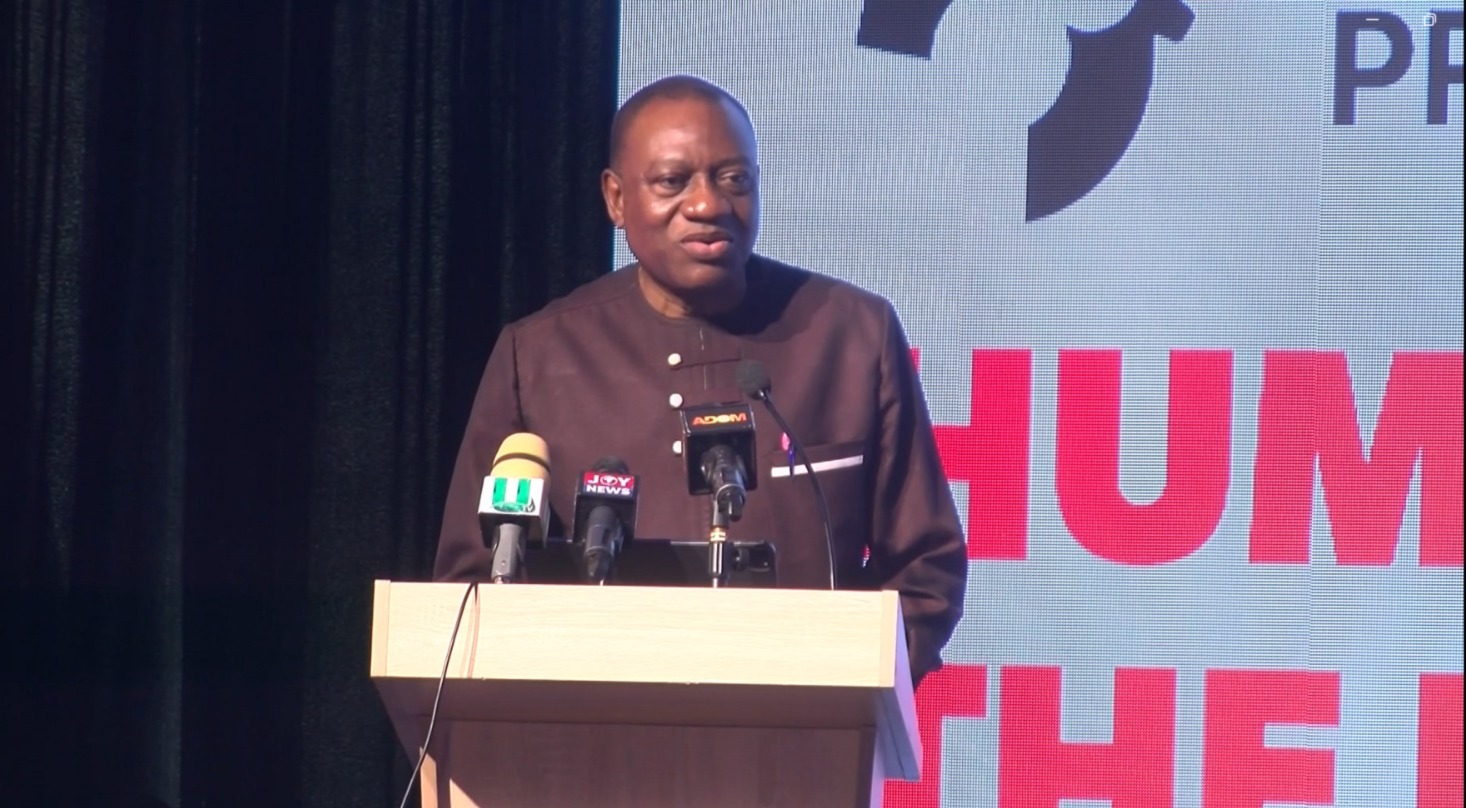
Ghana's ambitious 24-Hour Economy initiative is gaining substantial traction in the private sector, with over 400 companies now committed to round-the-clock operations. Minister of State in Charge of Special Initiatives Dr Rashid Pelpuo disclosed that participating businesses are already implementing continuous operations, marking a significant milestone in the government's efforts to transform the nation's economic landscape through extended working hours.
The 24-Hour Economy policy represents a strategic shift in how Ghana approaches productivity and employment generation. Rather than relying solely on traditional business hours, the initiative encourages companies across various sectors to maintain operations throughout the day and night, thereby creating additional employment opportunities and boosting economic output. Dr Pelpuo's personal engagement with approximately 10 operating companies has provided valuable insights into the practical realities of sustaining such operations.
Private Sector Leadership in Job Creation
Dr Pelpuo emphasised that the success of Ghana's 24-Hour Economy should not be measured exclusively by whether government ministries and public institutions have adopted three-shift work systems. Instead, he highlighted that meaningful job creation depends on broader private sector participation. The minister stressed that economic growth stems from a holistic approach where businesses, not just government entities, drive employment expansion. This philosophy aligns with the reality that Ghana's private sector employs the majority of the workforce and has greater capacity to scale operations rapidly.
The government's role, according to Dr Pelpuo, is to create an enabling environment rather than directly manage operations. By removing regulatory barriers and addressing infrastructure challenges, policymakers can unlock substantial economic potential. The companies already engaged with the initiative have identified critical areas where government support remains essential for maintaining continuous operations successfully.
Infrastructure and Power Supply Remain Key Challenges
One of the most pressing concerns raised by participating companies centres on reliable power supply. Businesses operating around the clock depend heavily on consistent electricity access, making energy security a cornerstone issue for the policy's success. Ghana's energy sector has made considerable progress in recent years, but intermittent supply disruptions remain a challenge in certain regions. Companies have specifically requested government assistance in securing uninterrupted power, indicating that energy reliability remains a critical barrier to expansion.
Beyond power, participating businesses likely face challenges related to workforce management, security, transportation logistics, and market demand. The government has committed to providing some of the requirements needed by these companies, though the specific mechanisms and timeline for support remain to be detailed.
Why It Matters for Ghana
The 24-Hour Economy initiative carries substantial implications for Ghana's economic development and employment landscape. If successfully implemented, the policy could transform Ghana into a more productive, competitive economy capable of generating thousands of jobs across manufacturing, services, logistics, retail, and technology sectors. Round-the-clock operations attract investment, as both local and international investors seek markets with flexible, extended operating hours.
For ordinary Ghanaians, expanded business hours mean more employment opportunities, including night-shift work that may suit individuals with daytime commitments. Families may benefit from increased household incomes and economic activity stimulation that typically follows employment growth. However, success depends critically on government delivery of promised infrastructure improvements and businesses' capacity to manage extended operations profitably.
The milestone of 400 companies signals genuine private sector confidence in the policy's viability. As more businesses join the initiative, Ghana's competitive position in West Africa strengthens, potentially positioning the nation as a regional economic hub where business never truly closes.
Source: MyJoyOnline




Comments (0)
Be the first to comment.