World Bank Chief Spotlights Ghana's Tourism Potential as Heritage Sites Drive Job Creation
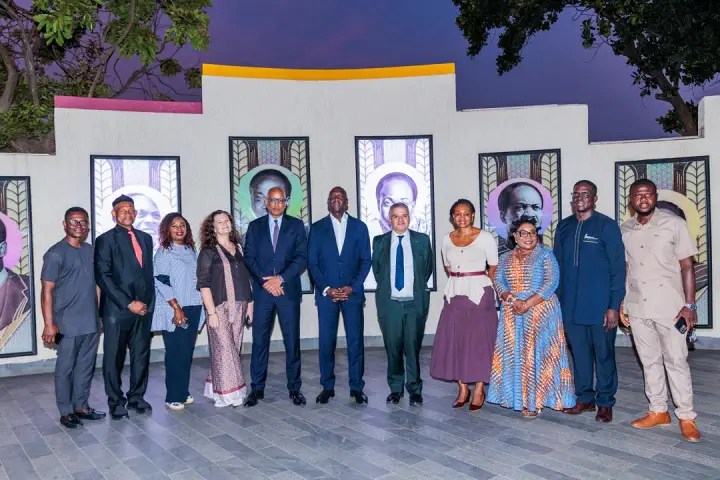
Ghana's cultural heritage is emerging as a significant economic driver, with international financial institutions now recognising the sector's potential to create jobs and attract foreign investment. During a recent visit to the Kwame Nkrumah Memorial Park, Makhtar Diop, Managing Director of the International Finance Corporation (IFC), a World Bank Group member, highlighted how heritage tourism connects visitors, businesses, and livelihoods across Ghana's economy.
The visit underscores a broader strategy to leverage Ghana's historical landmarks—particularly those tied to African independence and the nation's founding—as catalysts for sustainable economic development. The park, dedicated to Ghana's first president and Pan-African icon Dr. Kwame Nkrumah, has been positioned as a model for how cultural preservation and commercial investment can work in tandem to strengthen the tourism sector.
Heritage Tourism as an Economic Multiplier
Ghana's tourism economy extends far beyond the gates of historical sites. When international and domestic visitors arrive to explore landmarks like the Kwame Nkrumah Memorial Park, they generate demand across multiple sectors: hotels and guest houses, restaurants and food services, transport and taxi services, guide services, and markets for locally produced crafts and goods. This ripple effect means that investment in heritage preservation directly supports livelihoods for thousands of Ghanaians working in hospitality, retail, and related industries.
The Kwame Nkrumah Memorial and Mausoleum Park exemplifies this model. Following a $4.8 million redevelopment supported by the World Bank, the park now ranks among Ghana's 10 most visited tourist destinations and serves as a venue for cultural events, educational programmes, and national commemorations. It offers both Ghanaians and international visitors insight into Nkrumah's pivotal role in Ghana's independence struggle and his vision for African unity.
Private Investment Completing the Picture
While heritage site redevelopment attracts visitors, the accommodation and hospitality infrastructure must be in place to serve them effectively. The IFC is addressing this gap through strategic financing for commercial projects. A notable example is the institution's support for PLP Properties' development of a 170-room Hampton by Hilton hotel in Accra, an internationally branded midscale property expected to create approximately 1,000 direct and indirect jobs, including 200 permanent positions.
This type of investment complements heritage tourism investments by ensuring Ghana has sufficient, quality accommodation to welcome the visitors that cultural attractions draw. The combination strengthens the entire value chain: more visitors arrive due to enhanced heritage experiences; they require places to stay, eat, and travel; local businesses and workers benefit from increased demand; and Ghana's reputation as a tourism destination grows.
Why It Matters for Ghana
Ghana's tourism sector has historically been underdeveloped relative to the country's cultural assets and historical significance. The IFC's engagement signals growing international confidence in Ghana's tourism potential and willingness to invest capital in the infrastructure needed to realise it. For ordinary Ghanaians, this means employment opportunities in hospitality, transport, and services—sectors that typically offer relatively accessible entry points for workers across skill levels.
Moreover, heritage tourism can help distribute economic benefits more evenly across regions. While Accra and other urban centres benefit from hotel development, communities hosting historical sites in other parts of the country can generate income from visitor spending on local services and products. This approach aligns with Ghana's broader development goals of reducing regional inequality and creating sustainable livelihoods beyond mining and agriculture.
The World Bank Group's dual focus—preserving Ghana's cultural heritage whilst financing the private sector businesses that serve tourists—represents a pragmatic strategy for turning history into opportunity.
Source: Ameyaw Debrah


Comments (0)
Be the first to comment.