Ghana must seize global upheaval to create youth jobs, Mahama says

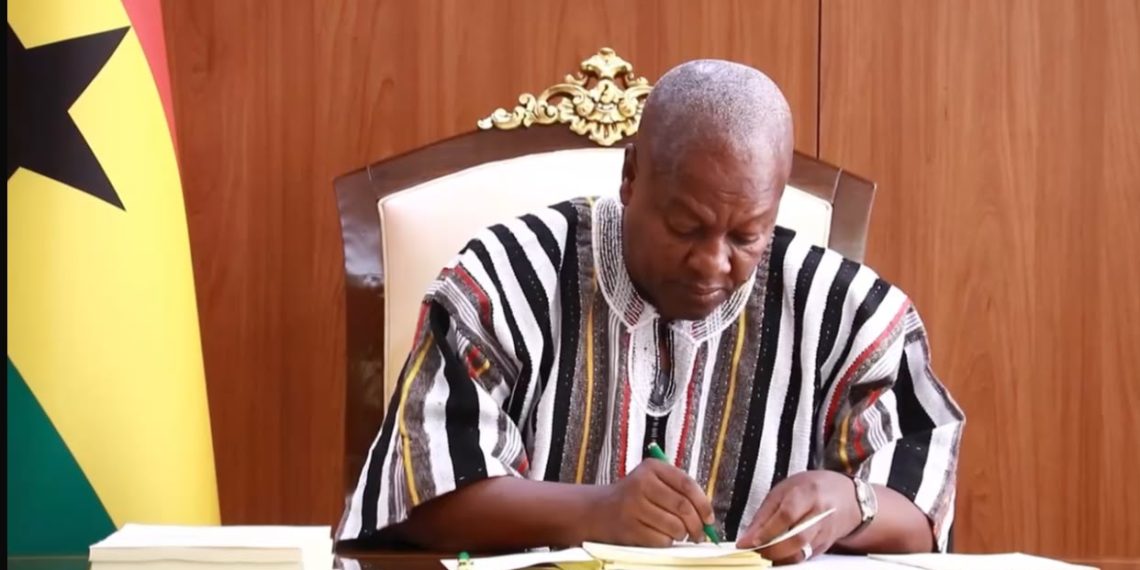
President John Dramani Mahama has called on Ghana to view the current period of global instability not as a crisis to fear, but as an opportunity to create meaningful pathways for the country's youth. Speaking on the disruption reshaping international relations and economic structures, Mahama stressed that even amid turbulence, reform and innovation remain within reach for nations willing to act decisively.
The president's remarks come as Ghana grapples with persistent youth unemployment and underemployment, issues that have dominated public discourse and shaped electoral priorities. His framing of global disorder as a potential catalyst for domestic reform signals an intent to redirect attention toward structural economic changes that could benefit younger Ghanaians entering the job market.
Why it matters for Ghana
Ghana's youth population represents both tremendous potential and an urgent policy challenge. With over 60% of the population under 25, the country faces mounting pressure to create sustainable employment and skills-development opportunities. Global disruptions—whether geopolitical tensions, shifts in international trade, or technological transformation—can either marginalise Ghana or position it as an agile competitor. Mahama's message suggests his administration views this moment as one requiring bold reforms in education, vocational training, and entrepreneurship support rather than passive adaptation.
The call to expand opportunities also reflects broader conversations within West Africa about economic sovereignty and self-reliance. As traditional trade patterns shift and global supply chains reorganise, countries that invest early in youth innovation and skills training may emerge better positioned to capture new industries and markets. Ghana's diaspora, young tech entrepreneurs, and agricultural sector also represent untapped resources that strategic reform could unlock.
Challenges and next steps
While the sentiment is encouraging, translating vision into tangible outcomes remains Ghana's central test. Creating jobs requires sustained investment in infrastructure, education quality, and business ecosystems—areas where funding constraints and implementation gaps have historically slowed progress. The government's approach will likely need to balance immediate relief (apprenticeships, internships, small business grants) with longer-term structural changes (STEM education, digital skills, export-oriented industries).
Mahama's emphasis on seizing opportunities during global flux also hints at Ghana's diplomatic and economic positioning. The country could leverage its relative stability, skilled workforce, and strategic location to attract regional investment or develop sectors that serve other African nations navigating similar disruptions.
Looking ahead
The coming months will reveal whether this rhetoric translates into concrete policy initiatives. Ghanaians—particularly young people—will be watching for announcements on funding, sector priorities, and accountability mechanisms. Success will depend on coordinated action across education, private sector partnerships, and microfinance institutions that can support entrepreneurial ventures.
For now, Mahama has staked a political position: that Ghana's future lies not in weathering global chaos but in harnessing it to reimagine opportunities for its youth.
Source: 3News
-800x450.webp)
Comments (0)
Be the first to comment.