
Ghana's 2027 AU Chair Role: A Chance to Revive Continental Leadership


Ghana's assumption of the African Union chairmanship in 2027 arrives at a critical juncture for the continental body. After more than two decades of existence, the AU faces a fundamental challenge: it has drifted from the visionary mission that inspired its creation in 2001, when African nations replaced the Organisation of African Unity with an institution built on the belief that Africa could chart its own course and speak with unified strength on the global stage.
The early AU era was marked by remarkable intellectual and political momentum. Visionary leaders including Nelson Mandela, Olusegun Obasanjo, Thabo Mbeki, and Meles Zenawi championed continental cooperation, understanding that no single African nation could prosper in isolation. Their leadership produced significant institutional achievements: the African Peace and Security Architecture, the Common African Defence and Security Policy, the African Peer Review Mechanism, and Agenda 2063—a long-term blueprint for continental development.
Yet this momentum has stalled. The departure of that generation of leaders has left a vacuum in continental vision. The AU, increasingly reactive rather than proactive, has become known for adopting decisions that go unimplemented. Outgoing AU Commission Chairperson Moussa Faki Mahamat's recent admission that over 90 percent of AU decisions during his tenure were never executed represents a damning acknowledgement of institutional failure. The gap between continental ambition and actual delivery has widened dramatically.
The Institutional and Cultural Decline
The problem extends beyond policy implementation. The AU itself has transformed from a mission-driven institution to a conventional diplomatic posting. Early AU officials viewed their roles as a calling to advance Africa's collective interests; many contemporary appointees see AU positions simply as career opportunities. This shift in mindset has undermined the institutional culture needed to drive meaningful continental progress.
The consequences are visible across Africa. The AU too often responds to crises rather than preventing them, observes rather than shapes events, and adopts frameworks that languish without implementation. This institutional weakness occurs precisely when the continent faces mounting challenges: security threats, economic pressures, climate impacts, and geopolitical competition from major powers.
Why It Matters for Ghana
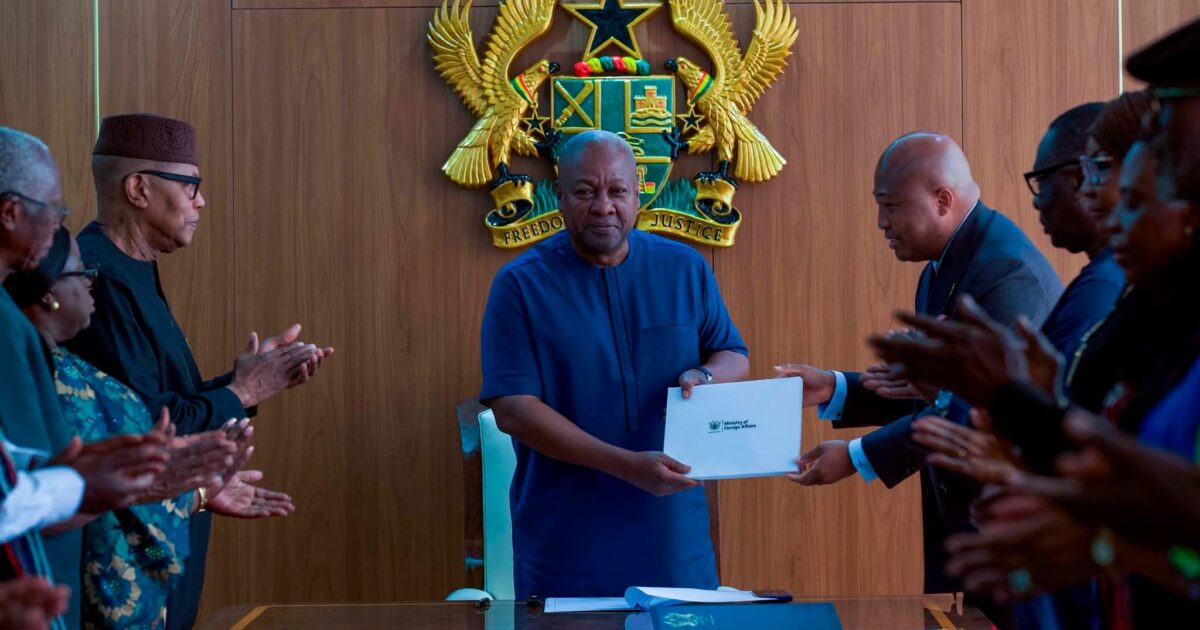
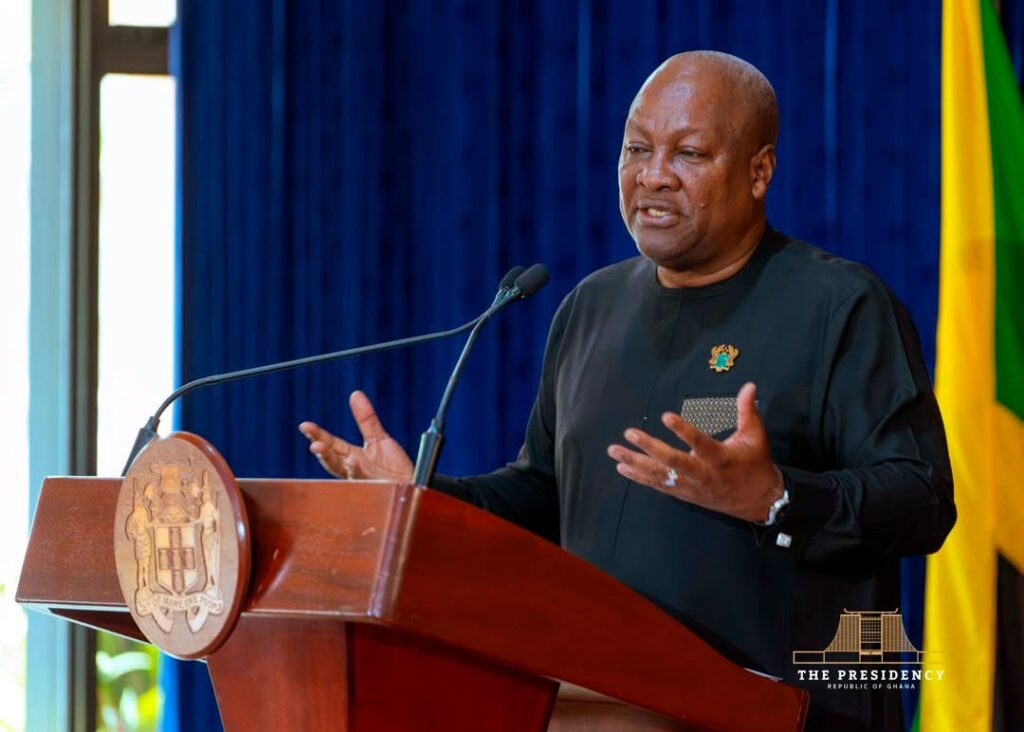
Ghana's 2027 AU leadership presents a rare opportunity to catalyse institutional renewal. President John Mahama's domestic reset agenda in Ghana—focusing on shifting mindsets around accountability, institutional effectiveness, and personal responsibility—offers a template worth considering at continental level. That reset has reframed national conversation around governance and challenged entrenched assumptions about how public institutions function.
Ghana could apply similar principles to the AU: moving from reactive to strategic thinking, from blame-shifting to ownership, from cynicism to pragmatic optimism. This would require building a new coalition of forward-looking African leaders committed to continental thinking rather than narrow national interests. Such leadership would need to address implementation capacity, ensure accountability for decisions, and rebuild the AU's credibility as a strategic actor rather than a talking shop.
Ghana's presidency could also strengthen the AU's capacity to respond to Africa's urgent challenges—from security crises in the Sahel and Horn of Africa to economic integration efforts through the African Continental Free Trade Area. A revitalised AU would amplify Ghana's own continental influence and position the country as a thought leader on African governance reform.
The opportunity is genuine but narrowing. The AU's relevance depends on whether Africa's leaders can recapture the visionary thinking of previous decades and translate continental commitments into tangible results. Ghana's leadership in 2027 must aim not merely to manage the AU's current trajectory, but to reset its fundamental purpose and prove that African solutions to African problems remain not merely possible, but essential.
Source: The Ghana Report


Comments (0)
Be the first to comment.