Ghana's 2024 Election: Why the Economy is Everything, According to Political Analysts
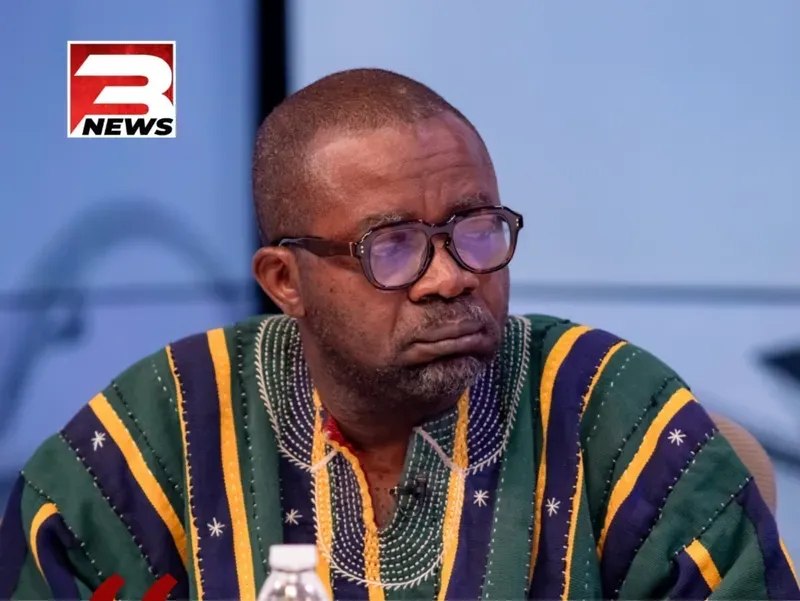
Ghana's voters are sending a clear message to the nation's political class: get the economy right, or lose power. According to political analyst Asah Asante, economic performance has become the paramount consideration driving voter decisions, overshadowing traditional party loyalty, campaign promises, and personality politics.
Asante's observation cuts to the heart of contemporary Ghanaian politics. In a country where inflation has eroded purchasing power, unemployment remains stubborn, and the cost of living has spiralled, voters are increasingly rational and pragmatic. The message is stark: mismanage the economy, and no amount of political machinery or charisma will save you.
The Economic Reality on the Ground
Ghana's economic challenges are not abstract policy discussions—they affect daily life. Fuel prices, food costs, transport fares, and utility bills have all climbed significantly in recent years. Small businesses struggle with cash flow. Salaried workers watch their real wages shrink. Young people, particularly graduates, face a difficult job market with limited opportunities.
In this environment, political rhetoric rings hollow. Voters have heard promises before. What matters now is tangible evidence of economic stabilisation and growth. This means lower inflation, exchange rate stability, job creation, and improved living standards—or at least a credible roadmap to achieving them.
The implication for political parties is profound: electoral victory increasingly depends on demonstrated economic competence, not just campaign machinery or historical affiliation.
Why This Matters for Ghana
Understanding that the economy dominates voter behaviour has several critical implications for Ghana's democratic future and governance. First, it suggests that parties in power will be held strictly accountable for economic outcomes. Voters are unlikely to reward governments that talk about long-term structural reforms while people suffer immediate hardship.
Second, this shift reflects growing voter maturity. Rather than voting based purely on tribal, regional, or traditional party lines, Ghanaians are increasingly voting their wallets and their prospects. This is healthy for democracy—it incentivises governments to prioritise sound economic management and creates competition on substantive policy rather than personality or identity politics alone.
Third, the economy's centrality means that opposition parties have a powerful weapon: highlighting economic failures and presenting alternative economic visions. The party that can credibly convince voters it can stabilise inflation, create jobs, and improve living standards will likely prevail.
However, this also creates a challenge: economic management is complex, and solutions often require difficult choices or take time to bear fruit. A government pursuing necessary but unpopular reforms (such as fiscal discipline or subsidy reductions) risks electoral punishment before results materialise, even if those policies are economically sound.
The Path Forward
For Ghana's political leaders, Asante's insight is a clarion call: focus relentlessly on economic fundamentals. Voters are watching inflation rates, exchange rates, and job numbers. They are comparing prices at the market. They are calculating whether their income covers their needs. Campaign promises about free education or infrastructure projects matter far less than whether people can afford bread and fuel today.
The party that best manages this reality—by delivering measurable economic improvement or, failing that, by earning trust through transparent communication about challenges and realistic solutions—will win Ghana's next election. Everything else is secondary.
Source: 3News


Comments (0)
Be the first to comment.