Tourism Emerges as Ghana's Economic Powerhouse Behind Gold and Oil, Says GTA Deputy

Ghana's tourism industry has solidified its position as the nation's third-largest contributor to gross domestic product, trailing only gold and oil exports, according to a senior official at the Ghana Tourism Authority. This ranking underscores the sector's growing importance to the country's economic diversification and development strategy.
The declaration highlights a significant shift in Ghana's economic landscape, where tourism has evolved from a peripheral industry into a major revenue driver. The sector's prominence reflects increased international visitor arrivals, growing domestic travel, and expanding hospitality infrastructure across the country.
Sustaining Growth Through Quality and Experience
However, maintaining this momentum requires deliberate focus on three critical pillars: consistent service delivery, customer satisfaction, and the creation of memorable experiences for visitors. Ghana's tourism competitiveness depends on ensuring that hotels, restaurants, tour operators and attractions meet international standards whilst showcasing authentic Ghanaian culture and heritage.
The sector faces competition from neighbouring West African nations and global tourism destinations, making differentiation essential. Quality service and positive visitor experiences directly translate into repeat visits, word-of-mouth promotion, and higher spending by international tourists.
Why It Matters for Ghana
Tourism's third-place ranking in GDP contribution carries several implications for Ghana's economic future. The sector employs thousands of Ghanaians across hospitality, transport, entertainment and guide services, providing livelihoods in both urban and rural areas. Growth in tourism can help reduce regional economic disparities by developing attractions and infrastructure outside major cities.
The industry also generates significant foreign exchange earnings, crucial for Ghana's balance of payments and currency stability. Additionally, tourism promotes Ghana internationally, enhancing the nation's soft power and cultural diplomacy. As the government pursues diversification away from heavy dependence on extractive industries, tourism represents a renewable and sustainable alternative revenue source.
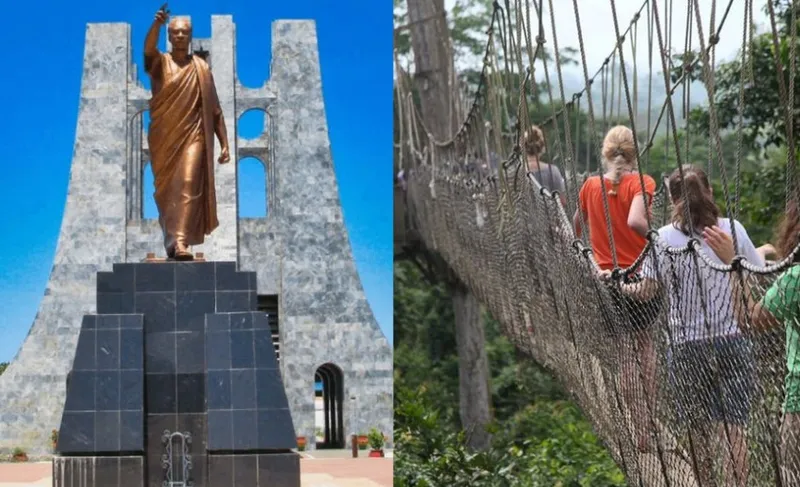
Ghana's rich cultural heritage—including historical sites like Cape Coast Castle, natural attractions such as Kakum National Park, and vibrant festivals—provides a strong foundation for tourism expansion. The country's relative political stability and safety compared to some regional competitors position it favourably for attracting visitors.
Road Ahead
For tourism to maintain its trajectory as Ghana's third economic pillar, stakeholders must collaborate. Government investment in infrastructure, training programmes for hospitality staff, and marketing campaigns can boost competitiveness. Private sector players must prioritise excellence in customer service and innovation in tourism products. Local communities should benefit equitably from tourism revenue through employment and business opportunities.
The recognition of tourism's economic significance represents progress, yet the industry must address challenges including inconsistent service standards, limited high-end accommodation in some regions, and competition for tourist spending. Achieving sustainable tourism growth requires balancing economic benefits with environmental protection and cultural preservation.
Source: 3News


Comments (0)
Be the first to comment.