
Ghana Pushes for Unified Transport and Logistics Network to Supercharge the Economy


Ghana is setting its sights on a comprehensive, joined-up transport and logistics network that would make the movement of goods across the country faster, cheaper and more reliable — with the ultimate goal of accelerating economic development and strengthening the competitiveness of Ghanaian businesses.
The Deputy Transport Minister made the case for this vision at a recent engagement, stressing that the country can no longer afford to treat its various modes of transport — road, rail, air and sea — as separate, disconnected systems. Instead, the government is pushing for a fully integrated logistics ecosystem in which each mode complements the others, reducing bottlenecks and cutting the cost of doing business.
What an integrated logistics ecosystem means in practice
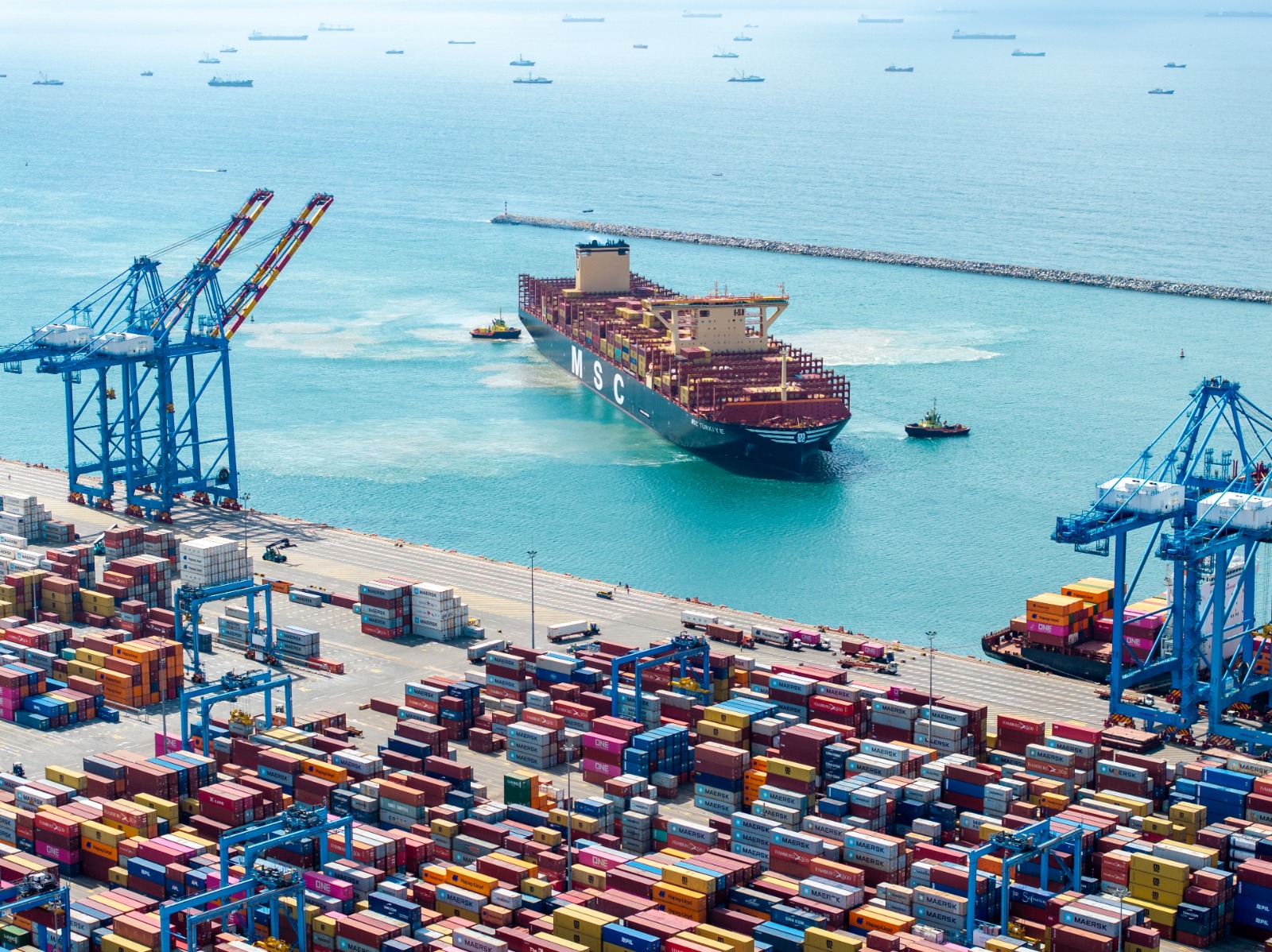
At its core, the proposed system would aim to ensure that cargo moving through Ghana — whether arriving at the Tema Port, travelling by road to the north, or being processed through one of the country's inland container depots — does so through a coordinated network with minimal delays and duplication of effort.
An integrated approach typically involves harmonised digital platforms for tracking and documentation, shared infrastructure between transport modes, and clear regulatory frameworks that allow goods to transition smoothly from one carrier to another. For Ghanaian traders and manufacturers, this could translate directly into lower logistics costs, faster delivery times and greater reliability in supply chains.
The Deputy Minister specifically highlighted how a seamless logistics environment supports the growth of industries and businesses — a point that resonates strongly at a time when Ghanaian exporters, particularly in agriculture and manufacturing, frequently cite poor logistics as a major constraint on their competitiveness, both regionally and globally.
Why it matters for Ghana
Ghana's geographic position as a gateway to landlocked countries in West Africa gives it a natural advantage in regional trade and transit. The country serves as a critical corridor for goods destined for Burkina Faso, Mali and Niger, among others. However, that advantage has not always translated into economic benefit, partly because of inefficiencies in the country's transport infrastructure and logistics chain.
Under the African Continental Free Trade Area (AfCFTA), which is headquartered in Accra, Ghana has an even greater incentive to get its logistics house in order. As intra-African trade is expected to grow significantly in the coming years, countries with efficient, well-connected transport networks will be best placed to attract investment and capture a larger share of continental commerce.
Poor road conditions, congestion at the Tema Port, and the near-dormant state of the national railway network have long been cited as obstacles to growth. Any serious push towards integration would need to address these foundational challenges alongside the digital and regulatory reforms required to make a modern logistics system work.
The road ahead
Building an integrated transport and logistics system is not a short-term project. It requires sustained investment, cross-ministerial coordination, private sector participation and, critically, political will that outlasts election cycles. Infrastructure projects in Ghana have historically struggled with funding gaps, delayed implementation and maintenance deficits once completed.
Nevertheless, the Deputy Minister's public articulation of this vision signals that transport policy is receiving renewed attention at the highest levels of government. For businesses, investors and ordinary Ghanaians who depend on efficient movement of goods — from market traders to large-scale manufacturers — the direction of travel is an encouraging one, even if the destination remains some distance away.
- Ghana aims to create a seamless, integrated transport and logistics network nationwide.
- The plan targets reduced trade inefficiencies and lower costs for businesses and industries.
- Ghana's role as a regional transit hub makes efficient logistics critical to economic growth.
Source: 3News



Comments (0)
Be the first to comment.