Ghana must embrace nuclear power to secure energy future, says Deputy Energy Minister
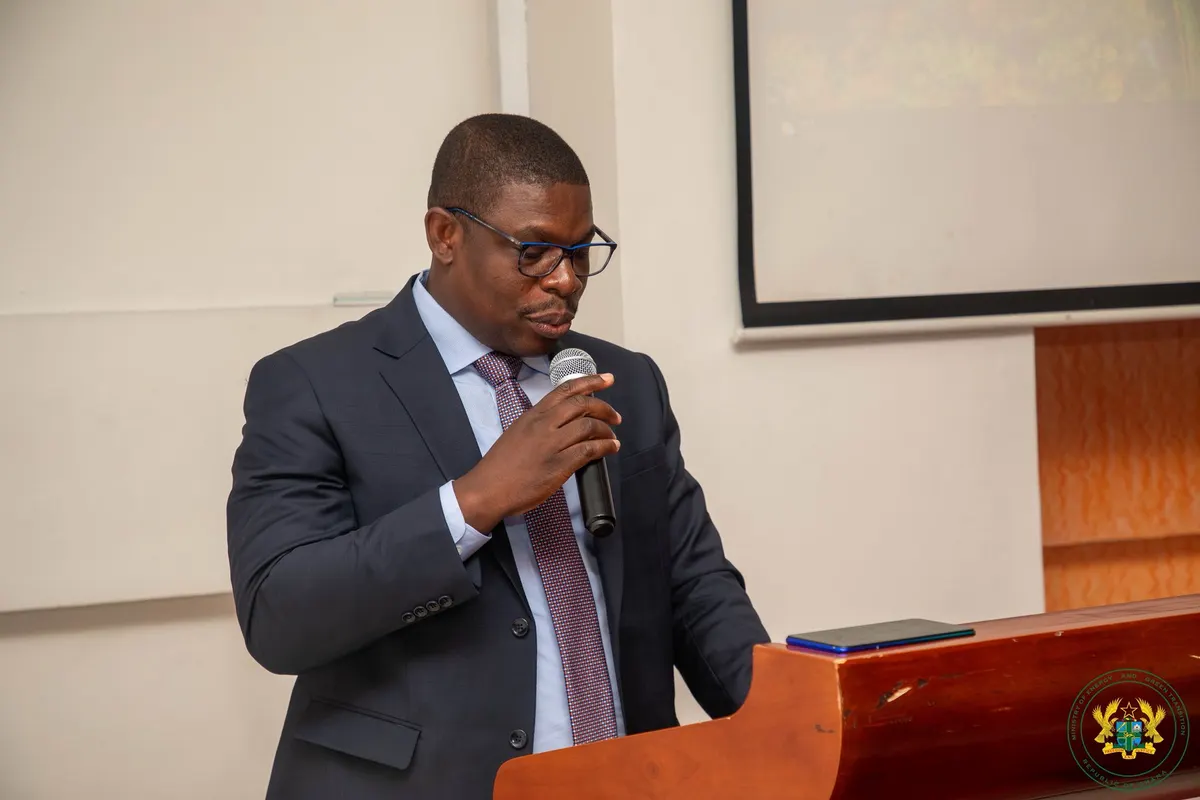
Ghana's Deputy Energy Minister has joined growing voices across the continent advocating for nuclear energy as a critical component of Africa's long-term power generation strategy. The call comes as the nation grapples with energy demands and the need for sustainable, reliable electricity sources to support economic growth.
The minister's backing of nuclear investment reflects a broader shift in how African policymakers are approaching energy security. Unlike fossil fuels with their environmental costs, or renewable sources that depend on weather conditions, nuclear power offers consistent baseload electricity that can operate continuously throughout the year—a key advantage for industrial development and grid stability.
Why it matters for Ghana
Ghana's energy sector faces mounting pressure to meet growing demand from households, businesses, and manufacturing. The country has historically relied on hydroelectric power from the Volta River, supplemented by thermal generation. However, climate variability, population growth, and industrialisation increasingly strain this mix. Nuclear energy could diversify Ghana's generation portfolio and reduce dependence on imported fuel for thermal plants, thereby improving energy independence and potentially lowering electricity costs for consumers and industries.
Investment in nuclear technology also positions Ghana as a regional leader in clean energy innovation. Several African nations are exploring nuclear programmes, and early movers could attract expertise, international funding, and manufacturing opportunities that strengthen the continent's technological capacity.
Africa's nuclear opportunity
Across Africa, nuclear energy remains underdeveloped compared to other continents. However, the continent has significant uranium reserves and growing electricity needs. A coordinated regional approach to nuclear development—underpinned by strong financial frameworks, regulatory bodies, and international partnerships—could unlock substantial economic benefits.
The deputy minister's comments suggest Ghana recognises that robust financial structures and governance are essential to nuclear investment. Building such modules requires expertise, long-term planning, and collaboration with international nuclear agencies to ensure safety and compliance with global standards.
The path forward
For Ghana to realistically pursue nuclear energy, several steps are necessary:
- Strengthening regulatory institutions and safety protocols aligned with international best practices
- Securing financing from development banks and international partners experienced in nuclear projects
- Developing local expertise through training and partnerships with established nuclear nations
- Engaging the public through transparent communication about benefits and safety measures
- Integrating nuclear into a broader renewable and sustainable energy mix rather than viewing it in isolation
The deputy minister's support signals that nuclear energy is moving from the margins of Ghana's energy debate into mainstream policy discussion. Whether this translates into concrete projects depends on sustained political will, adequate funding, and public confidence in Ghana's ability to manage nuclear technology safely and effectively.
Source: 3News



Comments (0)
Be the first to comment.