Ghana Must Act Now to Preserve Its Cultural Heritage Before Oral Traditions Fade, Says Tourism Expert
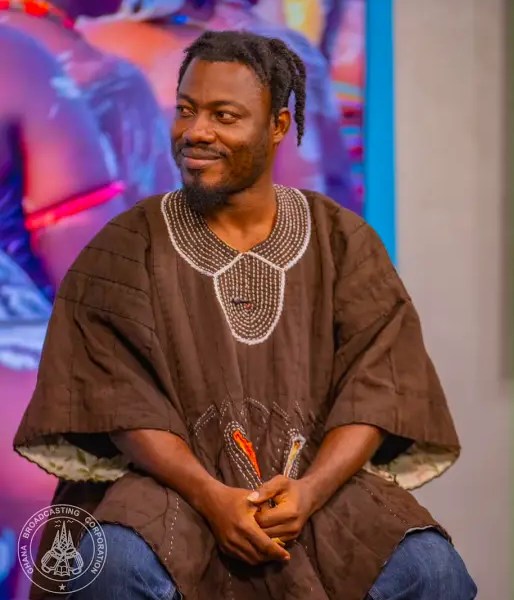
Ghana's rich cultural heritage faces an urgent preservation crisis if the country does not transition from relying solely on oral traditions to systematic, multi-platform documentation, according to tourism curator and content creator Frederick Kofi Deladem Dro, founder of Ghana is Beautiful.
Speaking on GTV Breakfast Show, Dro, popularly known as Fluud, highlighted a critical vulnerability in how Ghanaian communities currently safeguard their histories, customs and traditions. While oral transmission has long served as the backbone of cultural continuity across generations, he cautioned that this method alone cannot guarantee authenticity in the long term.
The Risk of Cultural Distortion Through Oral Tradition
Fluud explained that stories and practices inevitably evolve as they pass from one generation to the next. Each retelling introduces subtle—and sometimes significant—alterations that gradually distance the narrative from its original form. Without deliberate, contemporaneous documentation, future Ghanaians may inherit stories stripped of their historical accuracy or cultural integrity.
"We are missing the point of properly documenting these things in their original state," he stated, emphasising that Ghana must capture its cultural practices, festivals, historical sites, languages, music and indigenous knowledge systems as they exist today, supported by credible research and multiple media formats.
Dro advocated for a comprehensive documentation strategy that combines photographs, videos, written records and academic research to establish verifiable historical records. This approach moves beyond simple storytelling to include investigation into the deeper context and significance of cultural practices—answering not just what traditions exist, but why they exist and what they genuinely represent.
Leveraging Modern Technology and Storytelling
Recognising that preservation alone is insufficient, Fluud stressed the need to communicate Ghanaian culture in ways that resonate with contemporary audiences across different age groups and backgrounds. Traditional broadcast media—television and radio—remain valuable when cultural content is presented educationally and entertainingly. However, he emphasised that digital platforms represent the most powerful opportunity to reach younger Ghanaians.
Short-form video content, documentary series, digital archives, photography collections and podcasts offer creative pathways to make cultural knowledge accessible and engaging. "The digital space gives us an opportunity to take these stories to every Ghanaian across the divide," Fluud noted, underscoring the democratising potential of technology in cultural preservation.
Why It Matters for Ghana
The implications of inadequate documentation extend far beyond academic or cultural interests. As Ghana positions itself as a leading African tourism and cultural destination, authentic heritage becomes a significant economic and soft power asset. However, if the nation promotes culture that has been distorted through decades of oral retelling or poorly understood by Ghanaians themselves, that authenticity erodes.
Fluud highlighted a troubling disconnect between school curricula and deeper cultural reality. Students may learn names of historical figures like Tetteh Quarshie or details of festivals without understanding the underlying stories, struggles and significance that give them meaning. This shallow engagement weakens both domestic cultural appreciation and international appeal.
For Ghana, this moment represents a critical juncture. The country possesses the technological infrastructure, creative talent and platforms necessary to build a comprehensive cultural archive. Yet this window of opportunity depends on acting while living bearers of traditions are available to provide accurate accounts and context.
Fluud's call ultimately frames cultural preservation not as a luxury but as an investment in national identity and heritage integrity. If Ghana delays systematic documentation, future generations will inherit fragmented, altered versions of stories and traditions that may no longer connect meaningfully to their historical and cultural roots.
Source: Ameyaw Debrah
Comments (0)
Be the first to comment.