
Ghana Immigration Service Rescues 662 Children from Street Begging Trafficking Rings


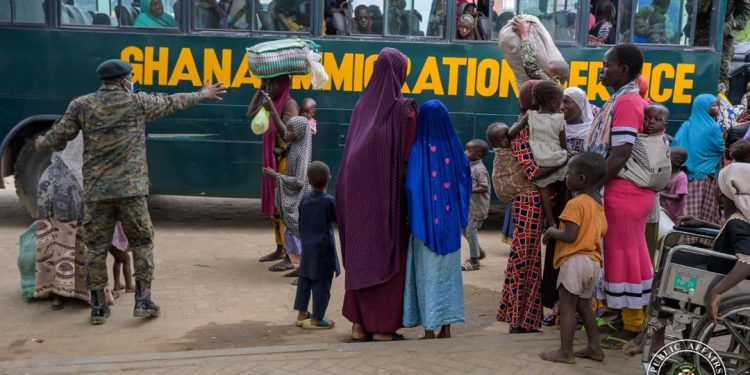
Ghana's Immigration Service has concluded a significant enforcement operation that has led to the rescue of 662 children and the apprehension of 1,055 individuals connected to exploitative street begging and human trafficking networks. The intelligence-led operation targeted criminal syndicates operating across the Greater Accra and Ashanti regions, marking one of the more substantial interventions against trafficking in recent months.
Scale of the Operation
The coordinated crackdown successfully dismantled networks that had been systematically exploiting vulnerable children for commercial begging. The apprehension of over 1,000 suspects demonstrates the scale at which these criminal operations have been functioning across Ghana's two most densely populated regions. The rescue of 662 children represents a significant number of minors who have been removed from immediate danger and exploitative circumstances.
The operation appears to have focused on gathering intelligence before executing arrests, suggesting a more strategic approach rather than routine street enforcement. This methodology often proves more effective in disrupting larger trafficking networks and identifying the organisers behind these operations rather than simply arresting street-level operatives.
Why It Matters for Ghana
Child exploitation and human trafficking remain persistent challenges in Ghana, undermining national efforts to protect vulnerable populations. Street begging networks are often fronts for wider trafficking operations, with children forced into labour, denied education, and exposed to abuse. The GIS operation addresses a problem that affects public safety, child welfare, and Ghana's international standing on human rights.
Beyond the immediate humanitarian concern, these networks contribute to visible street-level crime that affects tourism, commerce, and quality of life in major urban centres. The operation sends a message that authorities are taking action, though sustained efforts will be required to prevent the reformation of such networks. The rescue of 662 children will also place demands on child protection services, welfare agencies, and rehabilitation programmes to reintegrate these minors effectively.
Ghana has international obligations under the UN Convention on the Rights of the Child and regional ECOWAS protocols on human trafficking. Operations like this demonstrate commitment to these frameworks, though experts often emphasise that rescue alone is insufficient without follow-up prosecutions, victim support, and addressing the economic conditions that make trafficking attractive to criminal networks.
Next Steps and Challenges Ahead
The fate of the 1,055 apprehended individuals and the 662 rescued children will now depend on how thoroughly the criminal justice and child protection systems respond. Key questions include whether those detained will face trafficking charges, whether the operation will lead to convictions and deterrence, and whether rescued children will receive appropriate trauma support, education, and reintegration assistance.
Sustaining such operations and preventing the resurgence of trafficking networks will require ongoing intelligence gathering, inter-agency coordination, and addressing root causes such as poverty and lack of educational access in vulnerable communities.
Source: 3News


Comments (0)
Be the first to comment.