Ghana eyes local vehicle parts production as Zonda assembly pushes 24-hour economy
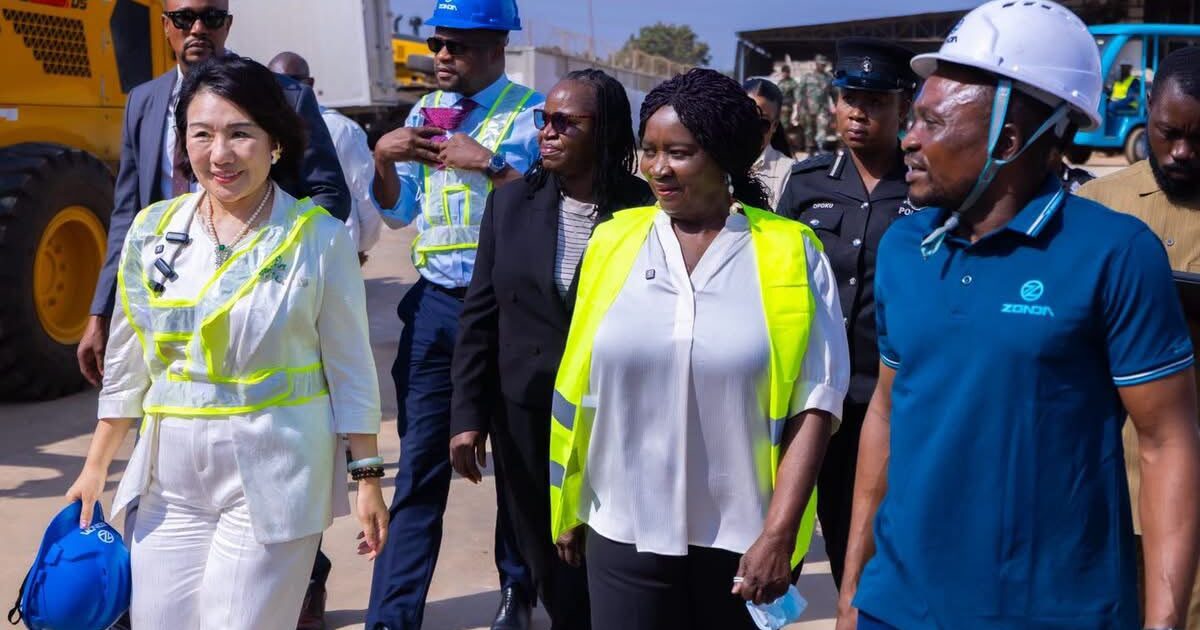
The Ghanaian government is intensifying efforts to localise the production of vehicle components used in Zonda's assembly operations, marking a significant step towards deepening the country's manufacturing sector and creating additional employment opportunities under its 24-hour economy initiative.
Vice President Professor Naana Jane Opoku-Agyemang made the announcement following a visit to Zonda's assembly facility, where she observed round-the-clock shift operations. The VP expressed optimism about identifying even one or two vehicle parts that could be manufactured domestically, emphasising that such moves would unlock business opportunities for Ghanaian entrepreneurs and expand job creation across the automotive value chain.
The 24-Hour Economy and Zonda's Role
Zonda's continuous operations demonstrate the practical potential of Ghana's 24-hour economy policy, which seeks to maximise production capacity and employment by extending working hours across key industries. The facility's shift-based operations already provide a model for how manufacturing can be intensified to generate more jobs and output. By anchoring local component production to an existing assembly operation, the government aims to create a more integrated and resilient automotive sector.
According to the VP, localising selected components would achieve multiple objectives: it would strengthen Ghanaian businesses, build technical expertise among local workers, and create spillover opportunities for related industries supplying parts and services to the automotive sector. This integrated approach recognises that vehicle assembly does not exist in isolation—it depends on a network of suppliers and service providers.
Why It Matters for Ghana
Ghana currently relies heavily on imported components for vehicle assembly, meaning much of the value generated in the automotive sector flows out of the country. By shifting to local production, even incrementally, Ghana can retain more economic value domestically and reduce its import bill. This aligns with broader industrial policy goals to reduce dependence on foreign inputs and strengthen local manufacturing.
The initiative also addresses a critical challenge in Ghana's development: creating sustainable, skilled manufacturing jobs. Vehicle component production typically requires technical training and precision work, offering opportunities to develop a more sophisticated workforce. Success in this sector could create demonstration effects in other industries.
Additionally, expanding local content in vehicle assembly supports Ghana's commitment to continental manufacturing goals under the African Continental Free Trade Area (AfCFTA), positioning the country as a potential hub for automotive production within West Africa.
Next Steps and Stakeholder Collaboration
The government has committed to working closely with Zonda, local manufacturers, and other stakeholders to identify which components are feasible to produce domestically. This process will require technical assessment, feasibility studies, and potentially investment in equipment and skills training. The gradual approach suggested by the VP suggests a realistic timeline that allows businesses to build capacity incrementally rather than face sudden disruption.
Successful implementation will depend on several factors: whether local producers can meet quality and cost standards, the availability of skilled labour, and whether pricing incentives or policy support will be needed to make local production competitive against imports. Government coordination with industry bodies will be essential to ensure alignment between manufacturer needs and supplier capacity.
Source: MyJoyOnline


Comments (0)
Be the first to comment.