
Ghana and Nigeria pledge stronger trade ties under African free trade pact
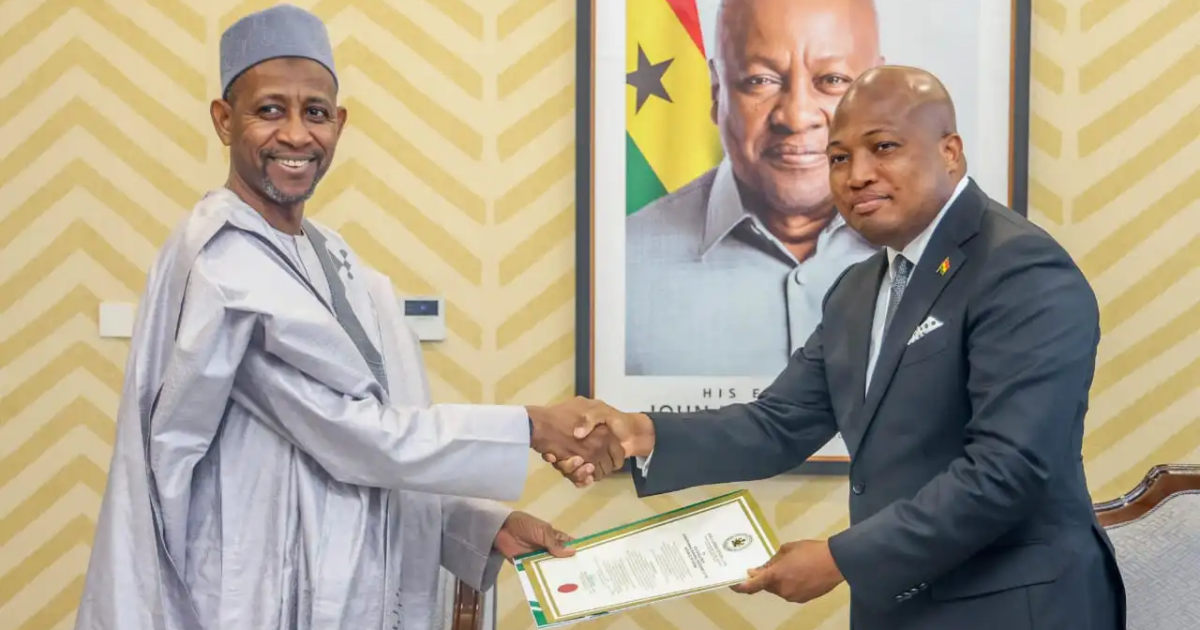

Ghana and Nigeria have renewed their pledge to strengthen bilateral trade and economic cooperation as part of efforts to fully realise the potential of the African Continental Free Trade Area (AfCFTA). The commitment signals growing momentum among West Africa's two largest economies to deepen integration and create a more seamless trading environment for businesses operating across their borders.
The nations made the declaration during a formal meeting between Ghana's Foreign Affairs Minister Samuel Okudzeto Ablakwa and Nigeria's newly-appointed High Commissioner-designate to Ghana, Shehu ILU Barde. Both sides agreed to prioritise the removal of trade barriers that have historically hindered the flow of goods, services and investments between the countries, with the goal of expanding bilateral trade volumes significantly.
Key economic initiatives on the agenda
Minister Ablakwa used the occasion to emphasise the critical role that stronger Ghana-Nigeria cooperation plays in unlocking AfCFTA's broader potential across the continent. He pointed specifically to the proposed ECO single currency—a planned unified currency for ECOWAS member states—as a transformative instrument that could reduce transaction costs, simplify cross-border commerce and deepen regional economic integration.
The Foreign Affairs Minister stressed the need for both nations and other ECOWAS members to build public and investor confidence in the ECO framework, recognising that currency integration remains essential to achieving the vision of seamless African trade. He also highlighted the importance of protecting cross-border investments to maintain investor confidence and preserve the long-standing economic relationships that underpin Ghana-Nigeria ties.
During the meeting, Ablakwa raised concerns about alleged attacks on properties belonging to Ghanaian business magnate Sir Sam Jonah in Nigeria, requesting that the High Commissioner investigate the circumstances. This intervention underscores Ghana's commitment to safeguarding the interests of its business community abroad—a necessary step to reassure investors that their assets are secure in partner nations.
Why it matters for Ghana
For Ghana, strengthening the Nigeria partnership holds significant economic implications. Nigeria is West Africa's largest economy and a major trading hub; deepening bilateral ties creates opportunities for Ghanaian exporters, service providers and investors to access a market of over 200 million people. Conversely, removing barriers benefits Nigerian businesses seeking to invest in Ghana's growing sectors such as energy, agriculture, manufacturing and financial services.
At the continental level, Ghana's successful cooperation with Nigeria sends a powerful signal about the viability of AfCFTA. When the two largest ECOWAS economies work together to remove trade obstacles, they demonstrate that the framework can deliver real, tangible benefits—potentially inspiring other African nations to accelerate their own trade integration efforts. This is particularly important as AfCFTA implementation has faced criticism for moving slower than initially anticipated.
The ECO currency initiative, whilst still under development, could eventually simplify transactions for Ghanaian traders doing business across West Africa. Reduced currency conversion costs and greater exchange rate stability would make regional trade more attractive and predictable for businesses of all sizes.
Building momentum for regional integration
Nigeria's High Commissioner-designate reciprocated Ghana's commitment, reaffirming his nation's dedication to strengthening longstanding diplomatic and economic relations. The positive tone of the meeting suggests both governments recognise that competing interests in the region must give way to collaborative approaches that benefit citizens on both sides.
The next phase will require concrete action: establishing joint task forces to identify and eliminate specific trade barriers, harmonising standards, improving port efficiency, and creating expedited customs procedures. Success will ultimately be measured by whether bilateral trade volumes actually increase and whether Ghanaian and Nigerian businesses report fewer obstacles to doing business across the border.
Source: MyJoyOnline



Comments (0)
Be the first to comment.