
Gamel Nkrumah's Life Shaped by Exile and the Shadow of Ghana's 1966 Coup, Family Reveals
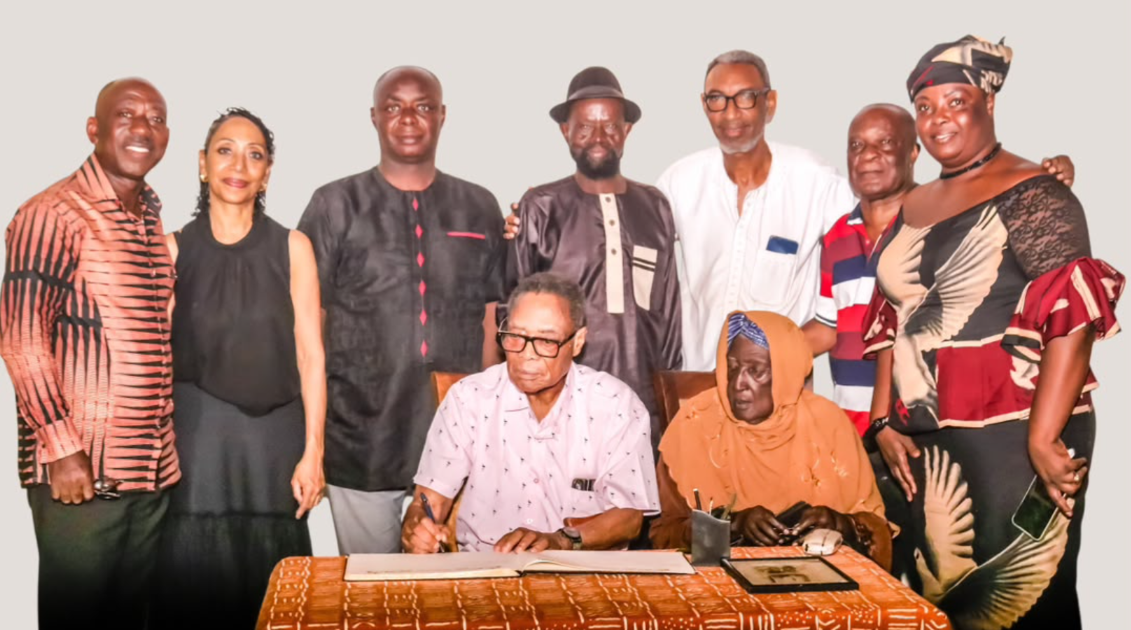

The Convention People's Party (CPP) has paid a formal condolence visit to the family of Ghana's founding President, Dr Kwame Nkrumah, following the death of his second son, Gamel Nkrumah. The delegation, led by Comrade Chris Ziga and comprising members of the party's Council of Elders and National Working Committee, met with surviving siblings Samia Nkrumah and Sekou Nkrumah, who shared deeply personal details about how the 1966 military coup irrevocably shaped their late brother's life.
A Life Defined by Exile
Gamel Nkrumah spent much of his adult life outside Ghana, primarily in Egypt — the same country where his father, Dr Kwame Nkrumah, took refuge after being overthrown by the National Liberation Council coup of February 1966. The coup forced the entire Nkrumah family into a prolonged period of displacement that, according to Sekou Nkrumah, left lasting psychological marks on all the children — but none more so than Gamel.
Speaking during the condolence visit, Sekou recalled that although the family was formally invited to return to Ghana by the Acheampong government in 1975, Gamel struggled enormously to readjust. After enrolling in a boarding school following the family's return, he suffered a nervous breakdown within just two months. The illness interrupted his schooling, with Gamel and his brother Samuel moving to Form Four rather than progressing to Form Five as expected.
Gamel later pursued further studies at A-Grid but fell ill again, compounding the difficulties he faced in settling back into Ghanaian life. He subsequently moved abroad, spending several years in Zimbabwe, where he found employment at the Institute of Development Studies in Harare — a position he secured through the assistance of Sally Mugabe. He eventually returned to Egypt, where he lived for much of the remainder of his life until his recent death following a period of illness.
Why It Matters for Ghana
The death of Gamel Nkrumah is a poignant moment for Ghana, arriving as the country continues to grapple with the complicated legacy of its first President. Dr Kwame Nkrumah remains one of Africa's most celebrated and controversial political figures — the architect of Ghanaian independence in 1957 and a leading voice of Pan-Africanism across the continent. His removal from power in 1966 not only altered Ghana's political trajectory but, as this week's visit made clear, inflicted a deeply personal and lasting toll on his children.
The Nkrumah family's account offers a rare, human window into how political upheaval echoes across generations. Gamel's difficulties with mental health, his disrupted education, and his years spent moving between countries are a direct consequence of a coup that happened before he was old enough to understand its significance. His story is a reminder that the costs of political instability are not borne only by nations — they are borne by families, quietly and for decades.
The CPP, the political party founded by Dr Kwame Nkrumah himself, pledged continued support to the family, particularly as arrangements are made for Gamel's final funeral rites to be held in Ghana. The family, alongside the governments of Ghana and Egypt, has been acknowledged for the support provided during Gamel's hospitalisation and burial. A formal announcement regarding the funeral programme in Ghana is expected in due course.
Family Calls for Recognition of a Quiet Legacy
Both Samia and Sekou Nkrumah expressed grief at the passing of their brother, describing him as someone whose potential was constrained by circumstances largely beyond his control. Despite living much of his life away from the public eye, Gamel Nkrumah was, in many respects, a living witness to one of the most defining and divisive events in Ghana's post-independence history.
As Ghana's political class and civil society continue to debate how best to honour the Nkrumah legacy, the death of his son serves as a timely prompt to reflect not just on the man's achievements, but on the full human cost of the turbulent era he represented.
Source: MyJoyOnline

-800x600.webp)
Comments (0)
Be the first to comment.