
Fulani Leaders Invoke Osu Military Cemetery to Assert Deep Roots in Ghana
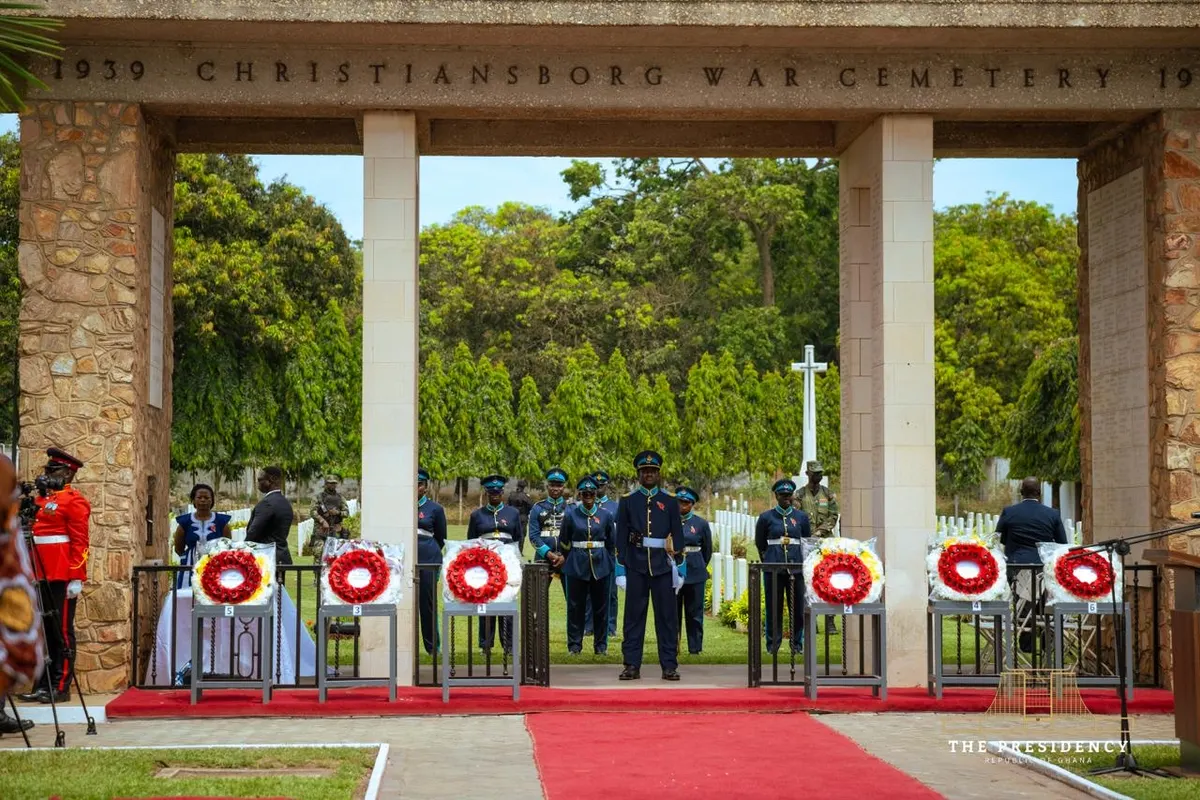

Fulani community leaders in Ghana have pushed back firmly against those who question their identity and belonging in the country, citing the graves of their forebears at the historic Osu Military Cemetery in Accra as tangible proof of their long-standing ties to the nation. The leaders argue that if their grandfathers fought and died for Ghana, their right to be here cannot be seriously contested.
A community under pressure
The Fulani — also known as the Fulbe or Fula — are a widely dispersed group across West Africa, with a significant presence in Ghana stretching back many decades. In recent years, however, members of the community in Ghana have faced heightened scrutiny and, at times, hostility, with critics questioning whether they are truly Ghanaian citizens or merely migrants without firm roots in the country.
These tensions have occasionally flared into open conflict, particularly in rural areas where disputes over land use and cattle grazing have pitted Fulani herdsmen against farming communities. Such incidents have unfortunately fed a broader narrative that portrays the Fulani as outsiders or troublemakers, a characterisation community leaders strongly reject.
In response to this narrative, elders and spokespersons for the Fulani community are now making a pointed historical argument: their ancestors did not merely live in Ghana — they served in its armed forces and are buried on its soil. The Osu Military Cemetery, which holds the remains of soldiers who served during both World Wars and in Ghana's post-independence military, contains graves that Fulani leaders say belong to their grandfathers. For them, this is not a symbolic gesture but concrete, verifiable evidence of sacrifice and citizenship.
What this means for the debate on belonging
The invocation of military service is a powerful rhetorical and legal move. Across the world, communities have used the sacrifice of ancestors in national armies to anchor claims of citizenship and loyalty. In Ghana's context, soldiers buried at Osu Military Cemetery served under the Gold Coast Regiment and later the Ghana Armed Forces — institutions that were central to the colonial and post-colonial state.
By drawing attention to these graves, Fulani leaders are essentially arguing that their community's bond with Ghana was sealed in blood long before the current generation was born. It is a reminder that identity in West Africa has never been as simple as straight ethnic or geographic lines, and that the Fulani — like many groups — have been woven into the fabric of multiple nations over generations of movement, settlement and service.
Legal experts and civil society voices have long noted that Ghana's 1992 Constitution guarantees rights to all citizens regardless of ethnic background, and that discrimination based on ethnicity is prohibited. The challenge, however, is that legal protections do not always translate into social acceptance on the ground.
Why it matters for Ghana
Ghana has long prided itself on being one of West Africa's most stable and tolerant nations, a reputation built partly on its management of a diverse, multi-ethnic population. How the country handles tensions around Fulani identity has implications beyond one community — it touches on Ghana's broader commitment to inclusive citizenship and its role as a beacon of democracy in the region.
ECOWAS protocols also allow for free movement of persons across member states, meaning that any policy or social norm that criminalises the mere presence of Fulani people in Ghana would sit uneasily with Ghana's regional obligations.
Community leaders say they are not asking for special treatment — only recognition of a history that is already written in stone at Osu. As one of their core arguments goes: a people whose grandfathers are buried in a nation's military cemetery are not strangers to that land. Ghana's leaders, traditional authorities and civil society would do well to engage seriously with that history rather than allow misinformation to deepen ethnic divisions.
Source: 3News



Comments (0)
Be the first to comment.