
Fuel Supply at Risk: Petroleum Workers Warn of Nationwide Strike Over NPA Bill
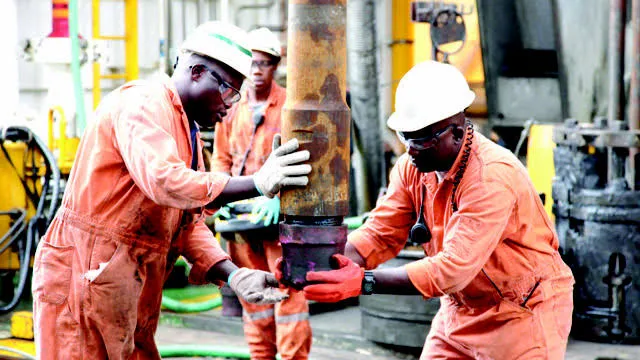

Ghana's fuel supply chain could face serious disruption as the Ghana Tanker, Petroleum and Chemical Workers Union (GTPCWU) has issued a stark warning to Parliament — pass the National Petroleum Authority (NPA) Bill, 2026 in its current form, and workers will go on a nationwide strike. The union's concern centres on Clause 103 of the proposed legislation, which it argues poses an existential threat to BOST Energies, the operational arm of the Bulk Oil Storage and Transportation Company, and the thousands of workers employed within it.
What the Union is Objecting To
At the heart of the dispute is Clause 103 of the NPA Bill, 2026, a provision that the GTPCWU says would fundamentally undermine the structure and mandate of BOST Energies. The union has not minced its words, warning that if the clause is enacted as drafted, it could effectively strip BOST Energies of key functions — putting jobs at immediate risk and weakening the country's strategic petroleum infrastructure.
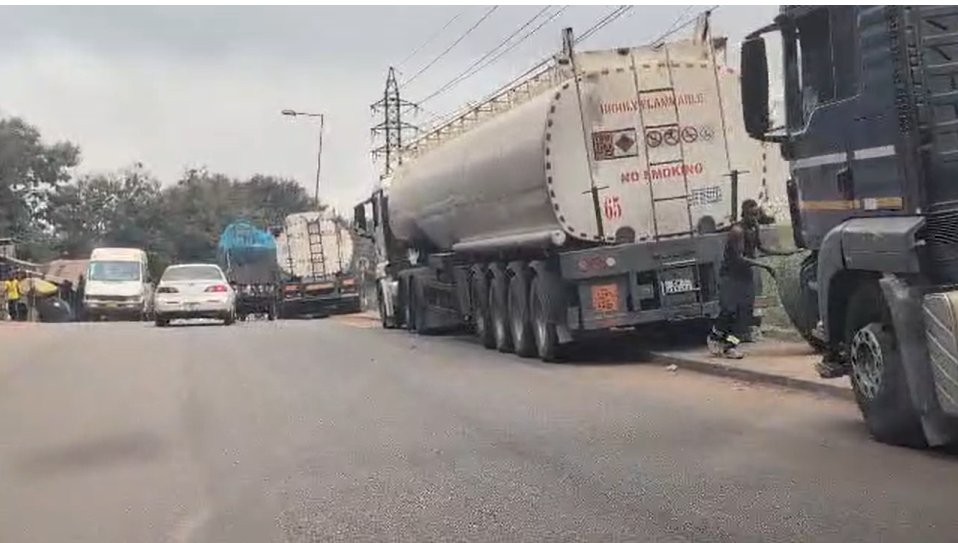
BOST, which is responsible for the bulk storage and distribution of petroleum products across Ghana, plays a critical role in ensuring that fuel reaches depots and filling stations in every corner of the country, including landlocked regions in the north that depend heavily on its pipeline and depot network. Any disruption to its operations — whether through legislative change or industrial action — would have ripple effects felt by ordinary Ghanaians at the pump.
The union is calling on lawmakers to review and amend Clause 103 before the bill is passed, stressing that their members are prepared to withdraw their labour if their concerns are ignored. A nationwide strike by petroleum workers would be significant; such an action could halt fuel distribution, ground transport and affect industries that rely on steady petroleum supply.
Why It Matters for Ghana
Ghana's energy sector has faced recurring challenges over the years, from fuel shortages to price volatility, and the country's ability to maintain a stable supply of petroleum products depends heavily on well-functioning institutions like BOST. The company operates strategic reserves and a network of pipelines and depots that serve as a buffer against supply shocks — a function that becomes especially critical during periods of import disruption or currency-driven cost increases.
Labour unrest in the petroleum sector is not without precedent in Ghana, and the consequences of past industrial actions have demonstrated how quickly supply chains can seize up when workers withdraw their services. A strike of this nature would not only affect fuel availability but could also push up transport costs and prices for goods and services at a time when many Ghanaians are already navigating the pressures of a high cost of living.
Beyond the immediate economic concerns, the standoff also raises broader questions about how legislation affecting key state enterprises is developed and consulted upon. Workers and unions argue that they should be meaningfully engaged before bills that directly affect their livelihoods and sectors are advanced through Parliament.
What Happens Next
The ball is now firmly in Parliament's court. Lawmakers will need to weigh the union's concerns carefully as the NPA Bill, 2026 progresses through the legislative process. The GTPCWU has made clear that amendments to Clause 103 are non-negotiable from their standpoint, and without satisfactory changes, the threat of strike action remains live.
Civil society groups, energy sector analysts and consumer advocacy bodies are likely to watch developments closely, given the potential impact on fuel availability and prices nationwide. For now, the union's message to Parliament is unambiguous: amend the bill, or face industrial action.
Source: 3News



Comments (0)
Be the first to comment.