
Ghana's fuel marking programme under scrutiny as energy group urges cost review ahead of NPA Bill passage
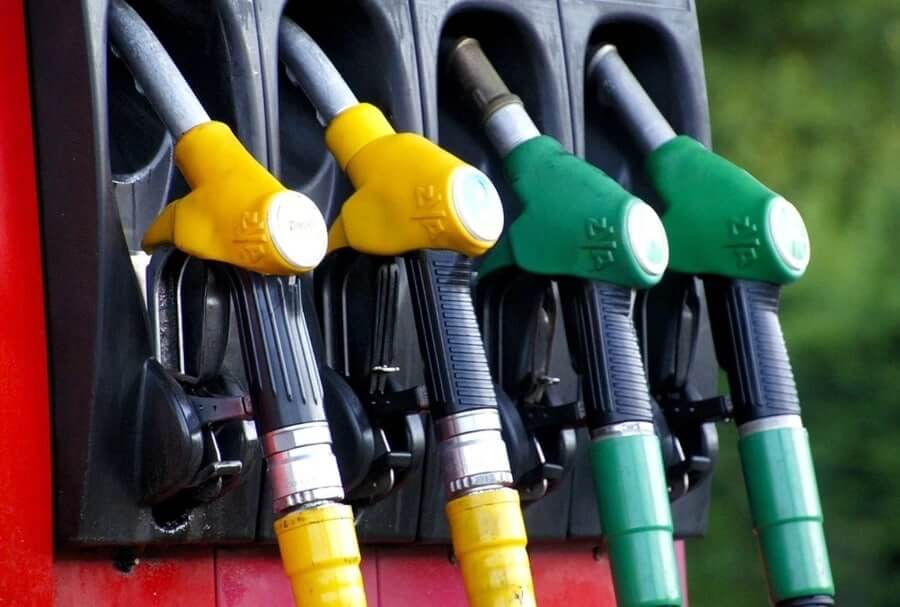

A Ghanaian energy and environment policy group is pushing for a fundamental rethink of one of the petroleum sector's longest-running cost items — the fuel marking programme — arguing that advances in monitoring technology may have made the current arrangement unnecessarily expensive for both the industry and ordinary consumers at the pump.
The Centre for Environmental Management and Sustainable Energy (CEMSE) has timed its call to coincide with Parliament's deliberations on the National Petroleum Authority (NPA) Bill, 2026, which proposes to overhaul and consolidate the legal framework governing Ghana's downstream petroleum sector. CEMSE believes the legislative moment is too important to let pass without addressing what it describes as an outdated cost structure.
What the fuel marking programme does — and why it is now in question
Ghana introduced fuel marking as a tool to detect adulterated petroleum products, clamp down on cross-border smuggling and protect government tax revenues. The programme, which has been running for over 13 years, requires a chemical marker to be introduced into fuel supplies so that inspectors can verify authenticity and quality throughout the distribution chain.
In 2018, the NPA also rolled out Automatic Tank Gauging (ATG) technology at service stations — a digital system capable of monitoring fuel volumes and detecting irregularities in real time. CEMSE's argument is straightforward: with ATG now in place and additional quality assurance systems available, Ghana may be paying for two overlapping systems when one — or a redesigned single framework — could do the job more efficiently.
The Centre stops short of calling for an immediate end to fuel marking, acknowledging that it has served Ghana's petroleum sector well. However, it is firm that the cost structure must change — either the programme's fees should be significantly reduced, or the programme should be phased out if newer technologies can deliver equivalent protection at lower cost.
Why it matters for Ghana
The financial stakes are real. Regulatory costs in the downstream petroleum sector do not exist in a vacuum — they are typically factored into the final price that Ghanaian drivers, transporters, businesses and households pay at the pump. Any reduction in those regulatory overheads, if passed on by operators, could provide modest but meaningful relief at a time when fuel prices remain a source of economic strain for many Ghanaians.
Beyond pump prices, the issue touches on the broader cost of doing business in Ghana's energy sector. Investors and operators in petroleum distribution watch regulatory costs closely, and a leaner, more modern framework could make the sector more attractive and competitive.
CEMSE has also flagged a transparency concern: although the draft NPA Bill references the fuel marking programme, the Centre says the document — specifically around page 69 — does not clearly spell out where the funding for the programme will come from, nor does it provide a justification for continuing the arrangement after more than a decade of operation. The Centre is calling on government to provide that clarity before the Bill is passed into law.
What CEMSE wants from policymakers
- A thorough cost-benefit analysis comparing the fuel marking programme and ATG technology to determine whether both are still necessary.
- A clear statement in the NPA Bill on the funding source and legal basis for continuing the fuel marking programme.
- Consideration of international best practices and emerging monitoring technologies before the new regulatory framework is finalised.
- A commitment that any savings from rationalising regulatory costs are structured in a way that benefits petroleum consumers.
The NPA Bill, 2026 represents the most significant legislative update to Ghana's downstream petroleum sector in years. How Parliament responds to submissions like CEMSE's will shape not only the regulatory environment but also the energy costs that millions of Ghanaians live with every day. Civil society groups and industry stakeholders are expected to continue engaging lawmakers as the Bill progresses through its readings.
Source: The Ghana Report




Comments (0)
Be the first to comment.