Parliament tightens fuel subsidy rules with landmark levy amendment to stop smuggling scams

Parliament has approved sweeping changes to Ghana's fuel subsidy system, passing the Energy Sector Levies (Amendment) Bill, 2026, in a decisive move aimed at plugging massive revenue leaks costing the country millions annually. The legislation represents a significant tightening of controls over one of Africa's largest petroleum economies, targeting widespread fraud that has long plagued the downstream sector.
The core amendment raises the Energy Sector Shortfall and Debt Repayment Levy on fuel oil dramatically—from GH¢0.24 per litre to GH¢1.93 per litre, aligning it with rates already applied to diesel and marine gas oil. Additionally, the Road Fund Levy is now extended to fuel oil imports, closing a critical gap exploited by fraudsters.
The mechanics of the fraud and government response
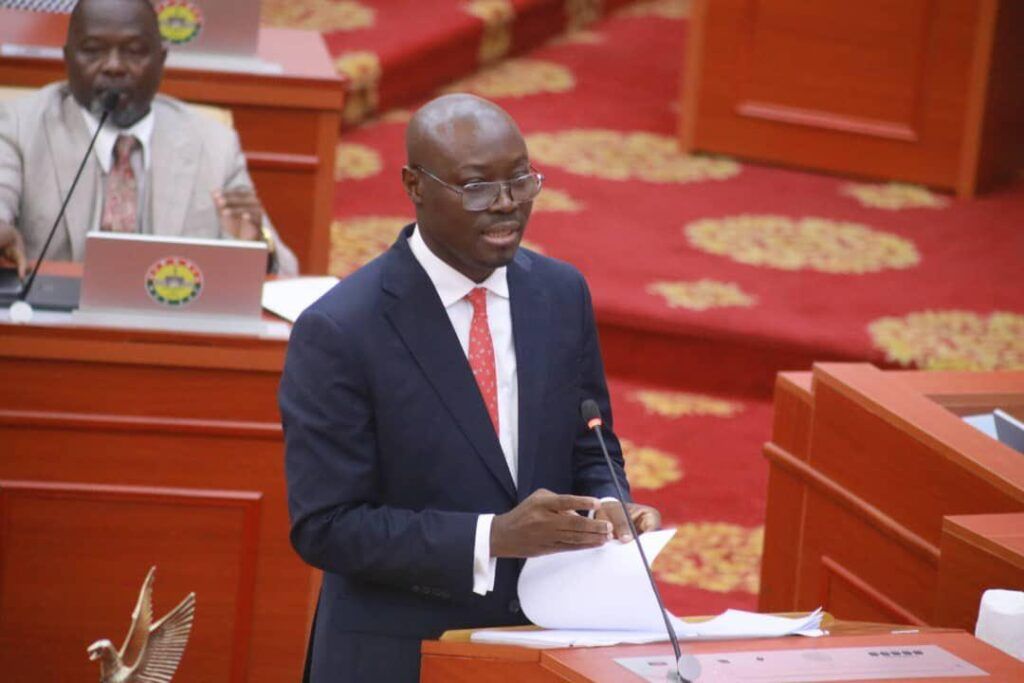
Finance Minister Dr Cassiel Ato Forson outlined how criminals have systematically abused the system. Unscrupulous traders have purchased diesel—a cheaper, taxed product—disguised it as industrial fuel oil, and fraudulently claimed tax exemptions meant only for legitimate industrial users. This sleight of hand has allowed smugglers to pocket substantial savings whilst starving the state of revenue.
Under the new framework, the government shifts from ex-ante (upfront) exemptions to ex-post (after-the-fact) refunds. Industrial companies must now pay all applicable levies when importing fuel oil, then apply for refunds if they qualify. This reversal of burden places the onus on claimants to prove legitimacy rather than on the state to verify fraud after exemptions are granted.
Critically, Dr Forson stressed this is not a tax increase on fuel—a politically sensitive distinction in a country where pump prices directly affect transport, food costs and industrial competitiveness. Rather, the government is restructuring how and when exemptions apply, whilst also accelerating refund processing from 90 days to 14 days to minimise cash-flow disruption to qualifying industries.
The financial stakes: why this matters for Ghana
The scale of leakage justifies the urgency. According to the Finance Ministry, Ghana lost an estimated US$25 million in the first half of 2026 alone through subsidy abuse. If current loopholes remain unchecked, the country stands to lose approximately GH¢1 billion annually—a sum that could fund critical infrastructure, healthcare or education.
For Ghana, these amendments carry profound implications. The nation's fiscal framework, already strained by debt servicing and development needs, depends on maximising legitimate revenue. Fuel subsidies, when properly targeted, support industrial productivity and keep transport costs manageable for ordinary Ghanaians. However, when criminals divert subsidy benefits, the state either reduces genuine support to industries or absorbs losses that inflate the fiscal deficit.
The amendment also signals government resolve to strengthen institutional integrity in the petroleum sector—a domain historically vulnerable to corruption and regulatory capture. Tightening control mechanisms at the point of import, where state agencies have direct oversight, is more effective than policing downstream distribution.
For industrial users—cement manufacturers, refineries, textile mills and other energy-intensive enterprises—compliance will require better documentation and administrative processes, but should ultimately benefit legitimate operators by ensuring subsidies flow only to genuine users and stabilising the competitive landscape.
Implementation challenges ahead
Success depends on effective implementation. The 14-day refund turnaround is ambitious and will require strengthened capacity at the Revenue Authority and customs agencies to process claims without creating backlogs. Coordination between multiple agencies will be essential to prevent new workarounds.
The amendment also underscores broader efforts to improve Ghana's fiscal position ahead of IMF programme benchmarks and debt sustainability targets. Revenue mobilisation remains central to government strategy, and tackling subsidy leakage offers immediate, measurable gains without raising headline tax rates.
Source: MyJoyOnline


Comments (0)
Be the first to comment.