Ghana's Parliament approves new energy levy framework to plug fuel subsidy leaks and combat tax evasion
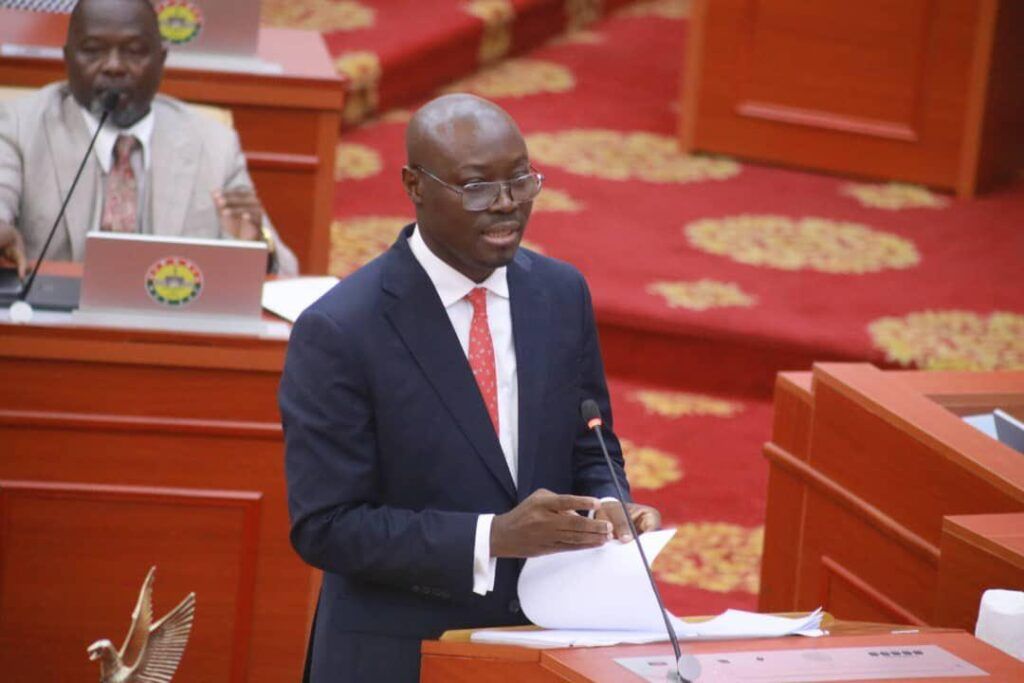
Parliament has given its backing to the Energy Sector Levies Amendment Bill, a legislative move designed to tighten controls over Ghana's fuel subsidy administration and clamp down on widespread tax evasion in the petroleum sector. The Bill represents government's latest effort to address persistent financial leakages that have long plagued the energy sector and drained public resources.
According to government officials, the amended legislation will establish stronger mechanisms to prevent misuse of subsidy funds and eliminate gaps that have allowed unscrupulous operators in the downstream petroleum industry to evade their tax obligations. The fuel subsidy programme, a significant component of Ghana's energy policy, has historically been vulnerable to fraud and administrative inefficiencies that undermine its intended benefits.
Addressing longstanding subsidy challenges
Ghana's fuel subsidy system has faced persistent criticism over its susceptibility to corruption and financial leakage. The sector has been identified as a key area where revenue loss occurs through various schemes, including diversion of subsidised fuel and underreporting of sales. The Energy Sector Levies Amendment Bill seeks to modernise the regulatory framework governing how levies are collected and administered, creating clearer audit trails and accountability measures.
The legislation is expected to improve transparency in subsidy distribution and strengthen enforcement mechanisms against operators who attempt to circumvent established levies and tax obligations. By streamlining the administrative structure, Parliament's approval signals government's commitment to making the fuel subsidy programme more efficient and fiscally sustainable.
Why it matters for Ghana
For ordinary Ghanaians, the implications of plugging subsidy leakages extend beyond immediate administrative reforms. When fuel subsidies are misappropriated or lost to tax evasion schemes, government loses revenue that could otherwise fund critical public services such as health, education, and infrastructure development. By reducing wastage, the government can potentially redirect saved funds toward essential programmes that directly benefit citizens.
The downstream petroleum sector is crucial to Ghana's economy, and tax evasion within it represents lost government revenue at a time when fiscal pressures are acute. A more robust levy system also promotes fair competition among legitimate fuel retailers and distributors, preventing unscrupulous actors from gaining unfair advantages through non-compliance.
Additionally, tightening subsidy administration has broader macroeconomic significance. Ghana's fiscal position depends partly on effective revenue collection across all sectors. Strengthening energy sector compliance contributes to government's overall revenue base, which affects the country's ability to service debt, maintain currency stability, and invest in long-term development priorities.
Implementation and next steps
With parliamentary approval secured, the focus now shifts to effective implementation of the amended legislation. Success will depend on the capacity of relevant regulatory bodies to enforce the new provisions and monitor compliance across the downstream petroleum sector. The government will need to ensure that relevant agencies have adequate resources and technical capacity to administer the revised framework.
The Bill's passage reflects growing recognition that administrative and legislative reforms are essential to making Ghana's energy sector more resilient and transparent. As the country continues navigating complex fiscal challenges, measures to reduce subsidy-related losses and improve tax compliance in the petroleum sector represent practical steps toward sustainable economic management.
Source: 3News



Comments (0)
Be the first to comment.