BOST Resolves Tanker Drivers' Dispute, Strike Called Off
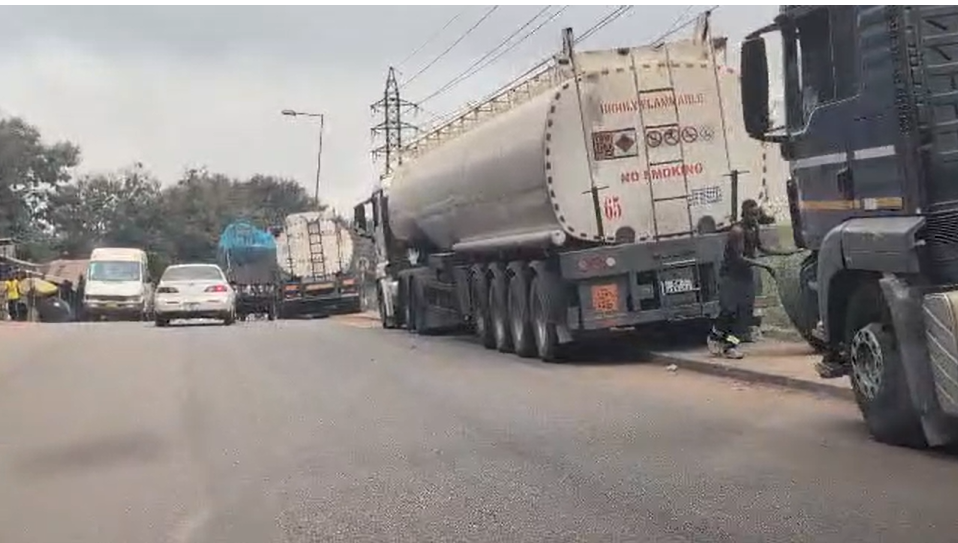
A potential fuel supply crisis has been averted in Ghana after tanker drivers agreed to suspend a threatened three-day strike following direct engagement with the Bulk Oil Storage and Transportation Company (BOST).
The decision comes after discussions between BOST management and representatives of the tanker drivers' association, during which the state-owned fuel distributor committed to addressing the grievances that prompted the industrial action. While the specific concerns were not detailed in initial statements, the swift resolution suggests cooperation on critical operational and commercial issues affecting the sector.
Why This Matters for Ghana
Ghana's fuel distribution network depends heavily on tanker drivers to transport petroleum products from storage facilities to fuel stations across the country. A sustained strike would have created acute shortages at petrol stations nationwide, disrupting transport, commerce, and essential services. Hospitals, banks, businesses and households would have faced immediate hardship. Given Ghana's recent economic challenges, any disruption to fuel availability carries significant ripple effects through inflation and cost of living pressures.
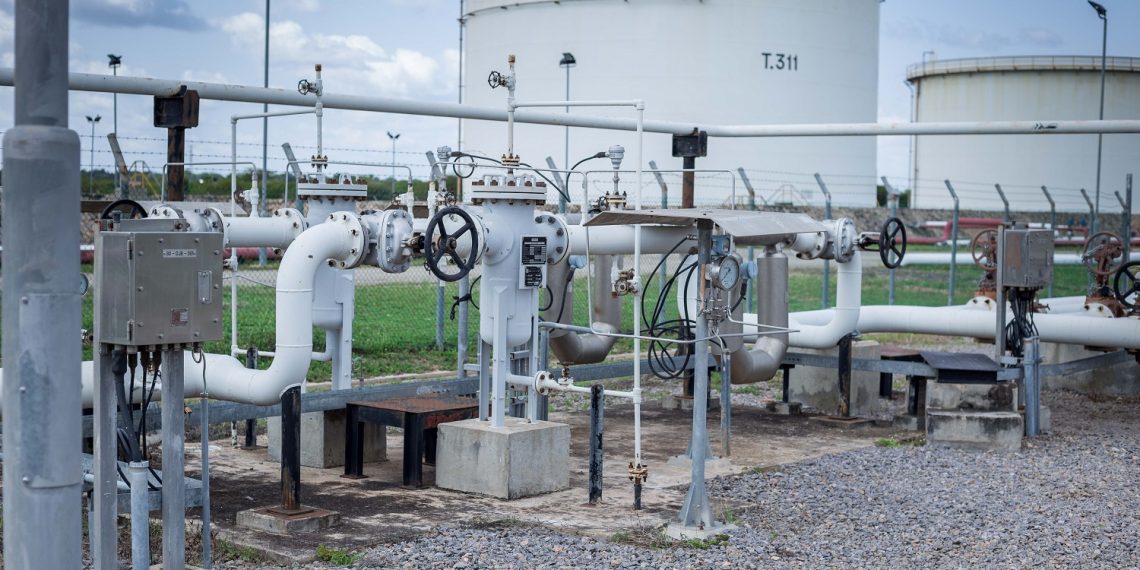
BOST plays a central role in this supply chain as the state agency responsible for storing and distributing crude oil products. The ability of management to negotiate directly with tanker unions demonstrates the importance of dialogue in preventing industrial disputes that could harm ordinary Ghanaians.
Background on Industry Tensions
Tanker drivers have periodically raised concerns about working conditions, fuel costs, tariffs, and payment arrangements with fuel distributors. These disputes reflect broader challenges in Ghana's petroleum sector, where transport operators face volatile fuel prices and rising operational costs. The decision to suspend rather than cancel the strike suggests ongoing dialogue may be needed to fully resolve underlying issues.
The suspension indicates both parties are committed to the negotiation process. BOST's willingness to engage constructively with the drivers' union shows recognition of their role in maintaining fuel supply stability—a critical consideration in an economy where energy security underpins productivity and growth.
Moving Forward
While the immediate crisis has been averted, the resolution underscores the need for sustainable agreements that address tanker drivers' legitimate concerns while ensuring reliable fuel distribution. This includes fair compensation structures, operational support, and transparent communication channels between BOST and transport operators.
Ghanaians should monitor developments in this sector closely, as fuel availability directly affects daily living costs and economic activity. Any future disputes could signal deeper issues in petroleum logistics that require government attention.
Source: 3News



Comments (0)
Be the first to comment.