Ghana's BOST halts fuel exports to Sahel neighbours as domestic demand surges
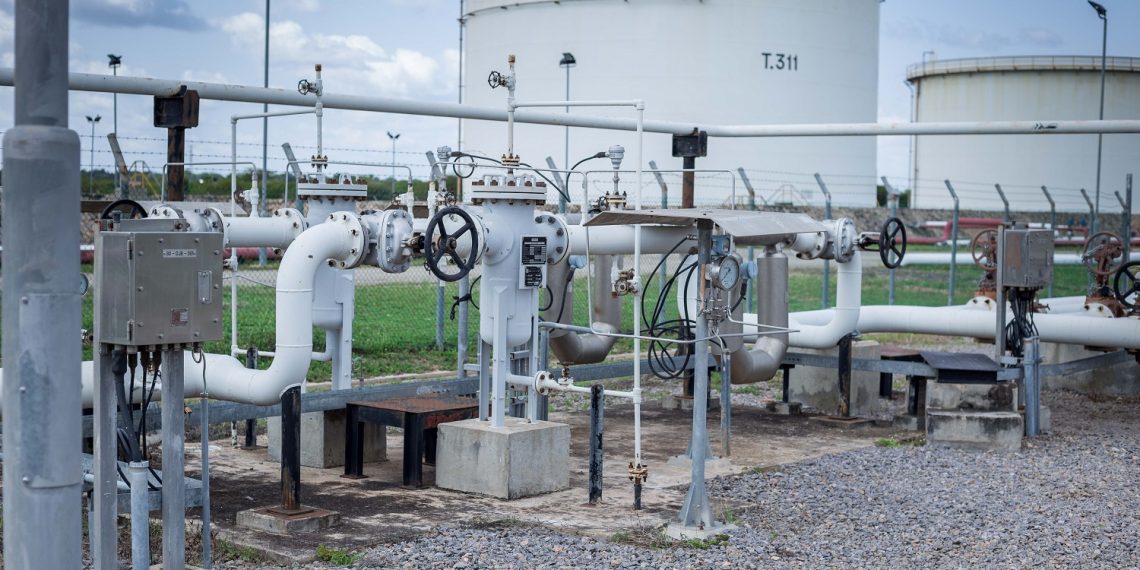
Ghana's state-owned fuel distributor BOST Energies has suspended exports of diesel and petrol to neighbouring Burkina Faso and Mali since August, as surging domestic demand stretches supply capacity. The decision represents a significant shift in regional energy dynamics, with BOST prioritising Ghana's internal market over lucrative cross-border sales to West African partners struggling with fuel shortages.
According to Managing Director Afetsi Awoonor, BOST supplied only 40,000 metric tonnes of the 80,000 tonnes requested by Burkina Faso over July and August—a 50% shortfall. Mali fared worse, receiving just 10,000 tonnes when the country had requested 50,000 tonnes for the two-month period. The cuts underscore how quickly regional demand can outpace even established suppliers.
What's driving the shortage?
The root cause lies in Ghana's own accelerating fuel consumption. With BOST holding approximately 30% of Ghana's fuel market share, the distributor is grappling with diesel demand that now accounts for roughly two-thirds of its supply portfolio. Awoonor attributed the pressure to expanding economic activity domestically, which has driven consumption upwards faster than anticipated.
"Supply is available, but it's at a high cost," Awoonor told Reuters, highlighting a critical distinction: the issue is not absolute scarcity but rather affordability and maintaining price stability at home. Sharp demand spikes have complicated BOST's ability to balance export commitments with domestic price controls—a delicate equilibrium Ghana's government has prioritised following fuel price volatility earlier in 2024.
The stronger Ghanaian cedi and targeted government intervention helped ease fuel prices after mid-year global supply concerns. However, those gains remain fragile, and increased exports could risk renewed inflationary pressure on petrol pumps.
Why it matters for Ghana and the region
This decision carries implications beyond commercial logistics. Burkina Faso and Mali are grappling with severe security challenges and limited foreign exchange, making them heavily dependent on fuel imports from stable neighbours like Ghana. The suspension may force these countries to seek costlier alternatives or negotiate harder with other suppliers, straining already tight budgets.
For Ghana, the move reflects a difficult but pragmatic choice: secure domestic stability and maintain public confidence in fuel availability, or prioritise regional trade relationships. With elections approaching and fuel prices a perennial political flashpoint, policymakers likely calculated that domestic supply security outweighs diplomatic costs.
The suspension also signals confidence in Ghana's own refining capacity and import infrastructure, though it highlights vulnerability to global oil market swings. Any future international supply disruption could force the country to reimpose export bans—a pattern that undermines reliable partnership in the region.
BOST's expansion plans
Looking ahead, BOST is investing in downstream infrastructure to address medium-term supply challenges. The company plans to construct an LPG (liquefied petroleum gas) terminal in Tema by the fourth quarter of 2025 and establish a storage facility in Kumasi to support cooking gas distribution. Six additional LPG terminals are planned across phases, signalling BOST's pivot towards diversifying its energy portfolio beyond traditional diesel and petrol.
These projects could ease overall energy pressure if they succeed, potentially allowing BOST to resume limited regional exports while maintaining domestic security. However, their success depends on timely implementation and adequate financing—neither guaranteed in Ghana's current economic environment.
Source: Today GH

Comments (0)
Be the first to comment.