
From Rivalry to Reconciliation: Koku Anyidoho Forgives Asiedu Nketiah as NDC Leadership Era Ends
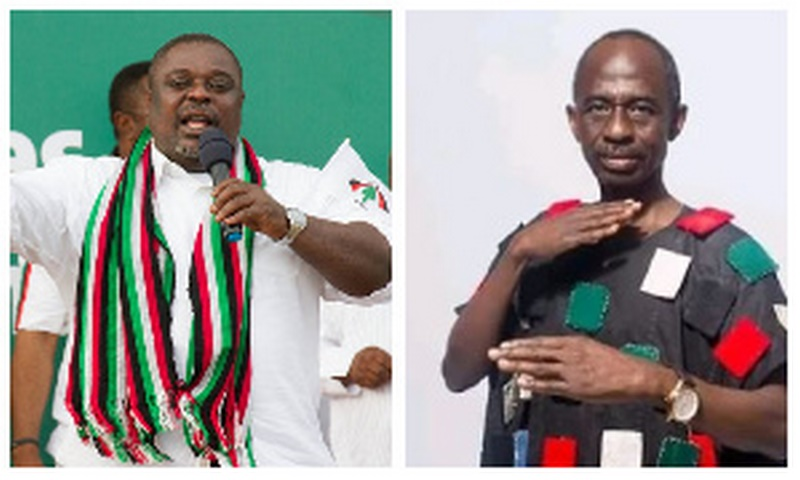

A significant moment of reconciliation has unfolded within Ghana's largest opposition party as Samuel Koku Anyidoho, the former Deputy General Secretary of the National Democratic Congress (NDC), has publicly declared forgiveness towards National Chairman Johnson Asiedu Nketiah. The announcement marks a symbolic end to a bitter political conflict that has defined internal party dynamics for over two decades.
In an emotional post shared on social media on Thursday, October 22, Anyidoho reflected on their fractured relationship whilst acknowledging Asiedu Nketiah's 21-year tenure at the party's headquarters. According to Anyidoho's account, tensions escalated when he decided to contest for the General Secretary position despite what he claims was a prior understanding that Asiedu Nketiah would not seek re-election. The confrontation led to his suspension from the party, which Anyidoho has consistently maintained was invalid.
The Roots of NDC's Internal Conflict
Asiedu Nketiah's ascent to the General Secretary role in 2005, where he succeeded the late Dr Nii Armah Josiah Aryeh, set the stage for what would become one of the NDC's most publicised internal disputes. Serving as his deputy, Anyidoho initially described their working relationship as trouble-free. The deterioration came swiftly after the contested election, with Anyidoho alleging that Asiedu Nketiah unilaterally announced his suspension without proper party procedures.
Anyidoho has also claimed that he was deliberately provoked in attempts to force his resignation from the NDC entirely. However, he resisted what he characterised as calculated tactics, choosing instead to maintain his membership whilst distancing himself from party activities. This prolonged standoff created factionalism that observers noted reflected broader struggles within the NDC's hierarchy.
A Turning Point at Kumasi Airport
The path toward reconciliation appeared to crystallise during an unplanned encounter approximately two months ago at Kumasi airport. The two political veterans unexpectedly crossed paths, exchanged greetings, and shared a brief but cordial conversation during a subsequent flight to Accra. Anyidoho credits this human moment with reminding him that their shared history and political partnership transcended their disagreements.
In his reconciliation message, Anyidoho acknowledged Asiedu Nketiah's contributions to both the NDC and Ghanaian politics more broadly, whilst notably alluding to reports that the NDC chairman harbours presidential ambitions. Rather than dwell on past grievances, Anyidoho chose to focus on moving forward, describing his approach as reflective of a mature perspective that refuses to be consumed by resentment.
Why This Matters for Ghana
The NDC remains one of Ghana's two major political forces, alternating power with the New Patriotic Party (NPP) in the nation's competitive democratic system. Internal party cohesion directly impacts the party's electoral viability and its ability to present unified messaging to voters. High-profile rifts between senior figures like Anyidoho and Asiedu Nketiah have historically provided ammunition for political opponents and created uncertainty about party direction.
As Ghana approaches future electoral cycles, the resolution of such internal conflicts signals stability within opposition structures. The public nature of Anyidoho's forgiveness also sets a tone for how the NDC might reconcile other factions and factional disagreements that have simmered beneath the surface. For the broader Ghanaian electorate, party internal stability matters because it affects the quality of political choices available during elections.
Anyidoho's decision to forgive and move forward, coupled with his explicit statement that more unites the NDC than divides it, represents a potential healing moment for a party that has weathered significant internal turbulence. Whether this reconciliation translates into substantive collaborative efforts remains to be seen, but the symbolic gesture carries weight in Ghanaian political culture, where public statements of forgiveness often influence broader party narratives and supporter perceptions.
Source: MyJoyOnline



Comments (0)
Be the first to comment.