NDC Deputy Communications Officer Aims for Secretary Role in Western Region Restructuring

A senior National Democratic Congress (NDC) official in Ghana's Western Region has thrown his hat into the ring for the position of regional secretary, signalling fresh leadership ambitions within the party's regional hierarchy. The move reflects ongoing efforts within the NDC to consolidate its organisational framework ahead of critical electoral cycles.
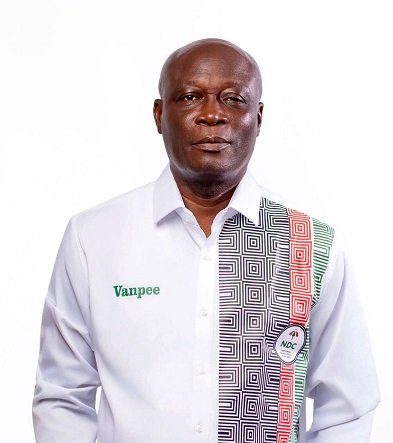
Mr Essien, who currently serves as Deputy Communications Officer for the NDC in the Western Region, made his intentions public during a media engagement, outlining a vision centred on institutional strengthening and deeper community ties. His candidacy comes at a time when political parties across Ghana are intensifying focus on regional administration and local mobilisation strategies.
Essien's Vision for Party Reorganisation
According to the statement, Mr Essien's campaign platform prioritises three core objectives: reinforcing the NDC's organisational structures, enhancing administrative efficiency at the regional level, and fostering stronger connections with grassroots supporters. These priorities reflect broader concerns within opposition parties about maintaining party discipline and member engagement during periods between major elections.
The deputy communications officer's background suggests he brings experience in messaging and public relations to the role. His track record in communications could prove valuable in a secretary position, which typically requires coordinating party activities, managing records, and serving as a liaison between regional and national party leadership.
What This Means for NDC's Western Region Operations
The Western Region has historically been a contested political space in Ghana, with both the NDC and New Patriotic Party (NPP) maintaining significant support bases. Strong regional administration is considered essential for political parties seeking to mobilise effectively in such competitive areas. Leadership positions like the regional secretary are crucial in coordinating campaigns, managing member relations, and implementing party directives at the grassroots level.
This bid also suggests active internal competition within the NDC's Western Region branch, which can indicate either healthy democratic processes within party structures or potential factional tensions, depending on how the race unfolds. The transparency of candidates making public declarations of their intentions generally reflects an open nomination process.
The Background: NDC's Regional Structure Focus
The NDC, as one of Ghana's two major political parties, operates through a hierarchical structure extending from national headquarters to regional, district, and local levels. Regional secretaries play pivotal administrative roles, overseeing party activities, coordinating with district chapters, and reporting to national leadership. Given the party's current status as the opposition, strengthening regional administration is viewed as fundamental to rebuilding electoral competitiveness and member morale.
Essien's emphasis on grassroots engagement particularly aligns with a broader NDC strategy to rebuild local structures that may have weakened during the previous administration. Grassroots mobilisation remains critical for any opposition party seeking to mount credible challenges in future elections and maintain party relevance between electoral contests.
The outcome of this candidacy will likely offer insights into factional dynamics within the NDC's Western Region branch and the party's internal democratic processes. How the regional membership responds to such leadership contests often influences overall party cohesion and effectiveness in subsequent campaign seasons.
Source: 3News


Comments (0)
Be the first to comment.