Ex-Liberian VP Jewel Howard-Taylor Faces Drug Trafficking Charges After Major Cocaine Seizure
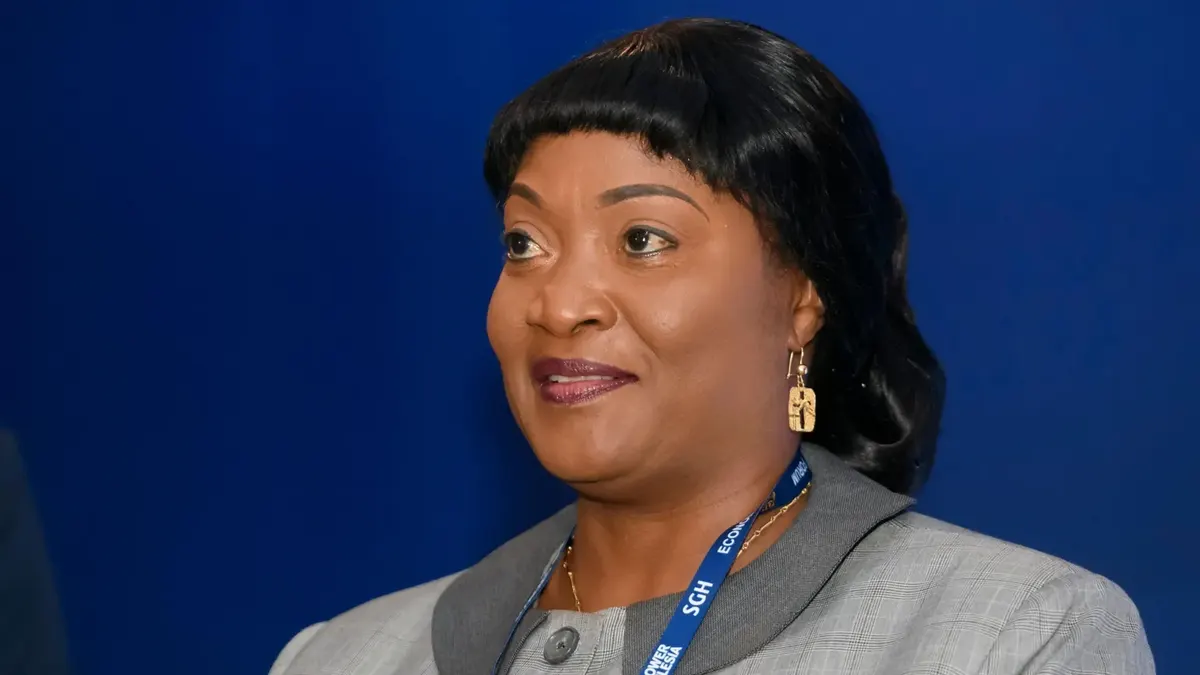
Liberia has escalated its fight against transnational drug trafficking with charges against Jewel Howard-Taylor, who served as Vice-President under former President Ellen Johnson Sirleaf. The charges follow a significant $317 million cocaine seizure in the capital, Monrovia, marking one of the region's most substantial drug busts in recent years.
The charges against Howard-Taylor include drug trafficking and money laundering offences. The case represents a rare instance of high-level political figures facing prosecution in West Africa for narcotics-related crimes, a region increasingly vulnerable to becoming a transit hub for international drug cartels moving cocaine from South America to Europe and beyond.
West Africa's Drug Crisis
The seizure underscores the growing challenge West African nations face in combating drug smuggling. Countries across the region, including Ghana, have become critical points in global drug trafficking networks. Criminal organisations exploit weak enforcement, porous borders, and limited resources to move tonnes of cocaine through the subregion annually.
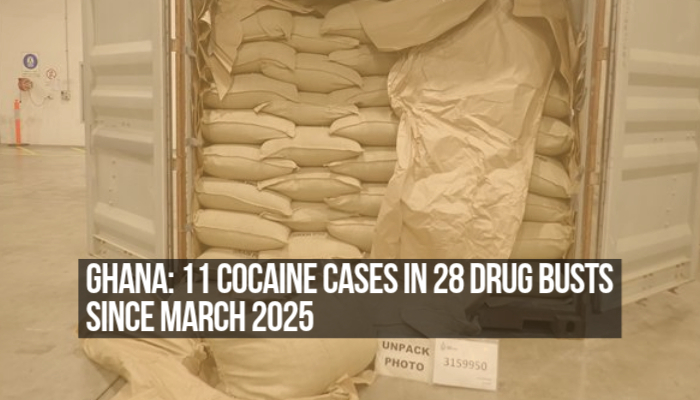
Ghana itself has recorded multiple major cocaine seizures in recent years at its ports and airports, with law enforcement agencies working to intercept shipments destined for international markets. The interconnected nature of West African security challenges means that drug trafficking in one country directly impacts neighbours, creating spillover effects including gang violence, corruption, and destabilisation.
Why It Matters for Ghana
The Liberian case carries significant implications for Ghana and the broader ECOWAS region. High-profile prosecutions of former government officials send a message that no individual is above the law, potentially strengthening deterrence against corruption and drug-related crimes. However, successful conviction requires robust judicial independence and witness protection—areas where many West African nations continue to struggle.
For Ghana, the case reinforces the need for stronger inter-agency coordination and regional cooperation under frameworks like ECOWAS. Drug trafficking networks operate across borders, meaning effective response requires intelligence sharing, joint operations, and unified legal standards. If Liberia successfully prosecutes Howard-Taylor, it could establish a precedent encouraging other nations to pursue similar high-level cases, potentially disrupting networks that use government connections for protection.
Additionally, the seizure highlights how cartels exploit political instability and corruption in the region. Ghana's relative stability and stronger institutions position it differently, but the country remains a target for trafficking operations. Ghanaian authorities continue expanding drug enforcement capacity, though funding and resources remain limited.
Regional Response and Outlook
The charges against Howard-Taylor demonstrate Liberia's commitment to tackling narcotics crimes, though scepticism remains about whether political will extends to all levels of government. Transparency and due process will be critical to ensuring the case strengthens rule of law rather than becoming politicised.
For Ghana, monitoring Liberia's prosecution provides insights into how regional neighbours address transnational organised crime. Strengthening Ghana's own enforcement capacity, particularly at ports where most narcotics enter, remains essential. Collaboration with international partners and other West African states through bodies like ECOWAS will likely be vital as drug trafficking continues to evolve and intensify across the region.
Source: 3News

Comments (0)
Be the first to comment.