
Every Fever Counts: What Ghanaian Parents Must Know About Malaria in Children

In Ghana, a child's fever can easily be mistaken for a passing illness — something a dose of paracetamol and a good night's sleep will fix. But according to a public health warning from a Ghanaian biomedical scientist, this assumption can cost a child their life. Malaria remains one of the most dangerous diseases affecting young Ghanaians, and a fever could be its earliest warning sign.
Why children under five face the greatest danger
Malaria is caused by parasites spread through the bites of infected female Anopheles mosquitoes. Once in the bloodstream, these parasites attack red blood cells, triggering fever, chills, headaches, vomiting and general weakness. While these symptoms overlap with many common childhood illnesses, malaria carries a unique and urgent threat — particularly for children under five years of age.
Young children have not yet built up adequate immunity against the malaria parasite, making them far more susceptible to the disease progressing rapidly into a severe and potentially fatal condition. Severe malaria can affect the brain, cause dangerous levels of anaemia and damage vital organs within a short space of time.
Parents and caregivers are urged to watch closely for danger signs that go beyond an ordinary fever. These include convulsions or repeated seizures, extreme weakness or unusual drowsiness, difficulty breathing, and an inability to drink fluids or breastfeed. Any child displaying these signs requires immediate emergency medical attention — not more waiting at home.
Why it matters for Ghana
Ghana consistently ranks among the countries with the highest burden of malaria on the African continent. The disease accounts for a significant proportion of outpatient visits, hospital admissions and childhood deaths across the country every year. Despite progress in rolling out insecticide-treated bed nets, indoor spraying programmes and, more recently, malaria vaccination campaigns, the disease continues to place enormous strain on Ghana's health system and on families.
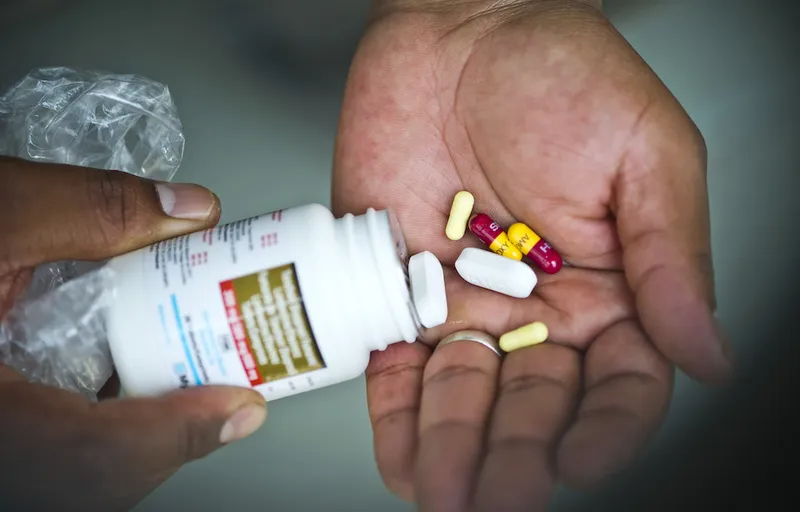
A particularly dangerous habit among some Ghanaian households is self-medication — buying antimalarial drugs from pharmacies or chemical shops without a confirmed diagnosis, using leftover medicines, or administering adult doses to children. Health professionals warn that these practices delay correct treatment, risk exposing children to the wrong drugs, and can contribute to the growing problem of antimalarial drug resistance.
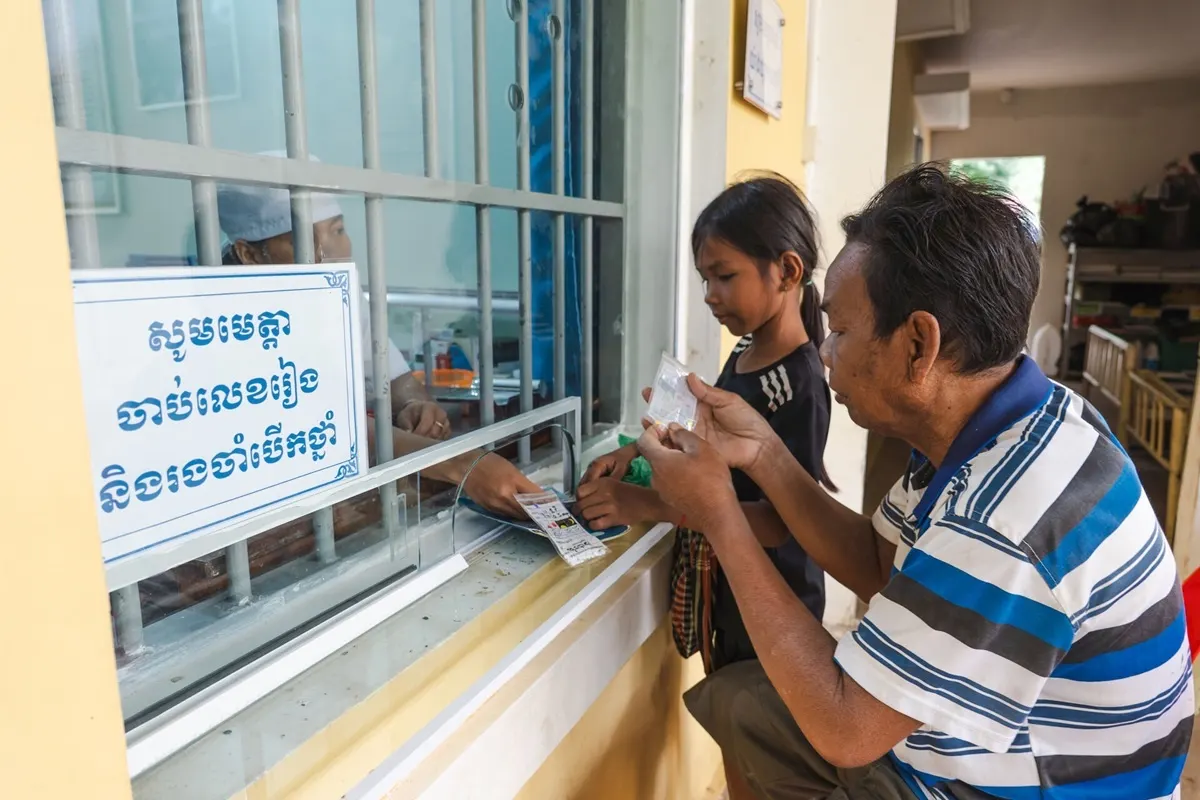
The right approach, experts stress, is straightforward: take any child with an unexplained fever to a health facility without delay. A rapid diagnostic test or laboratory blood test can quickly determine whether malaria is the cause. If confirmed, a qualified health worker will prescribe the appropriate treatment, and caregivers must ensure the full course of medication is completed — not stopped once the child appears to feel better.
Prevention remains the strongest defence
Beyond treatment, preventing malaria from taking hold in the first place is both achievable and essential. Several practical steps can significantly reduce a child's risk of infection at home and in the community.
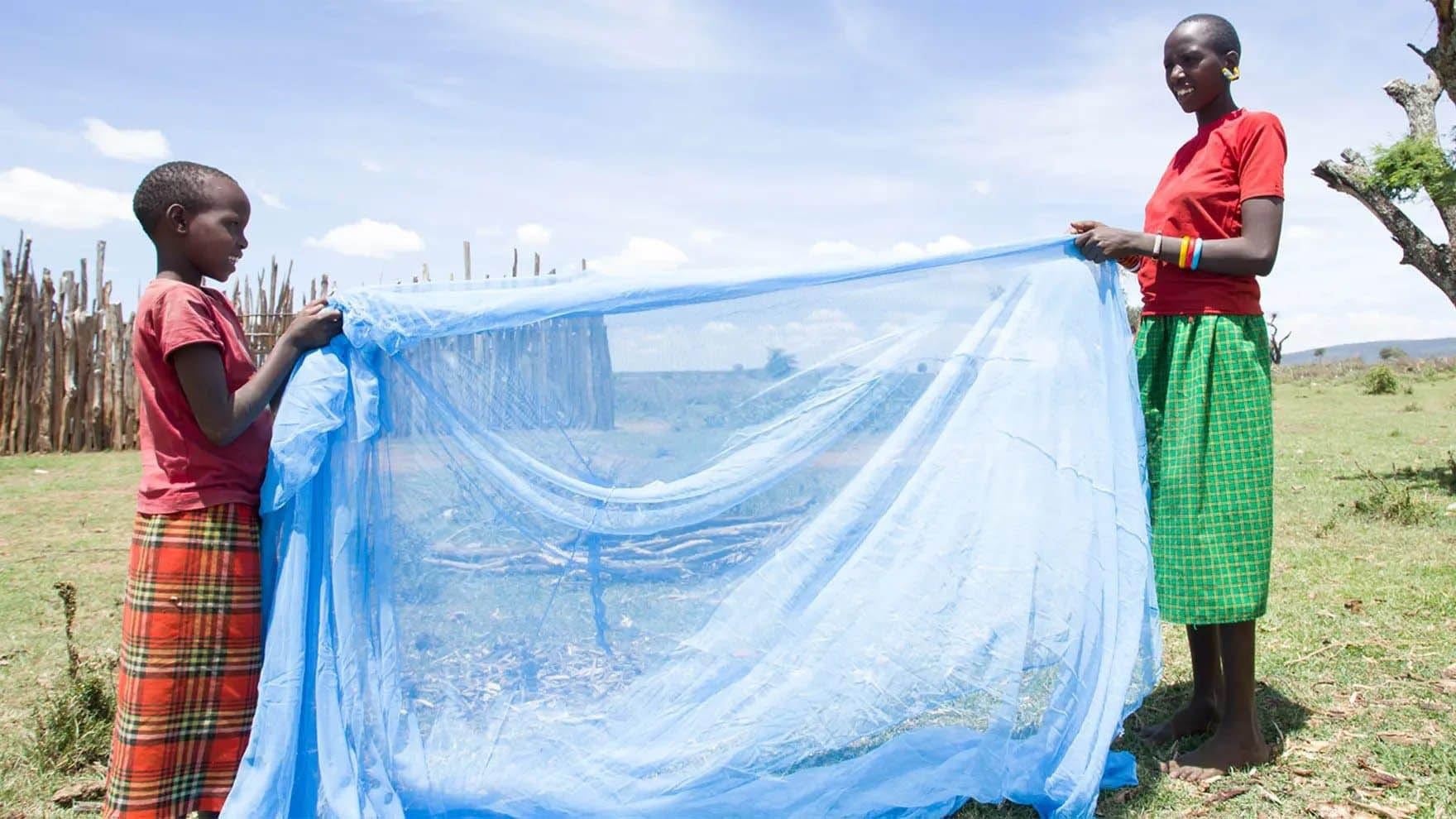
- Ensure children sleep under insecticide-treated mosquito nets every night, not only during rainy season.
- Remove stagnant water around the home — empty containers, old tyres and uncovered storage vessels are breeding grounds for mosquitoes.
- Dress children in clothing that covers their arms and legs, especially during the evening hours when mosquitoes are most active.
- Fit windows and doors with screens where possible to reduce mosquito entry into the home.
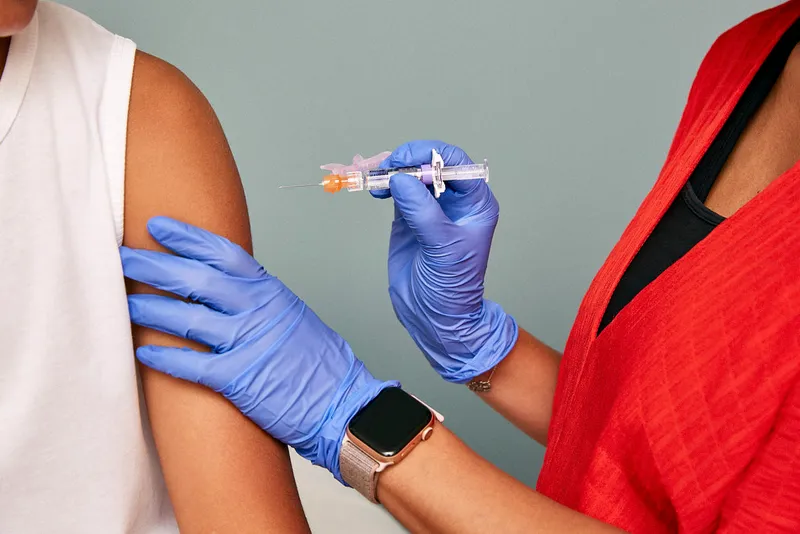
- Speak with a local health worker about malaria prevention services available for your child's age group, including vaccination and seasonal malaria chemoprevention programmes where these are offered.
The core message from health professionals is clear and unambiguous: do not guess, do not delay and do not self-medicate. Malaria is not an ordinary childhood illness that can simply be managed at home with over-the-counter drugs. When a child develops a fever, the safest course of action is always to seek professional medical advice promptly. Early testing and correct treatment save lives.
Source: The Ghana Report


Comments (0)
Be the first to comment.