
Even Bank Leaders Aren't Safe: Ghana's Top Banker Warns of Epidemic-Level Cyber Fraud Threat
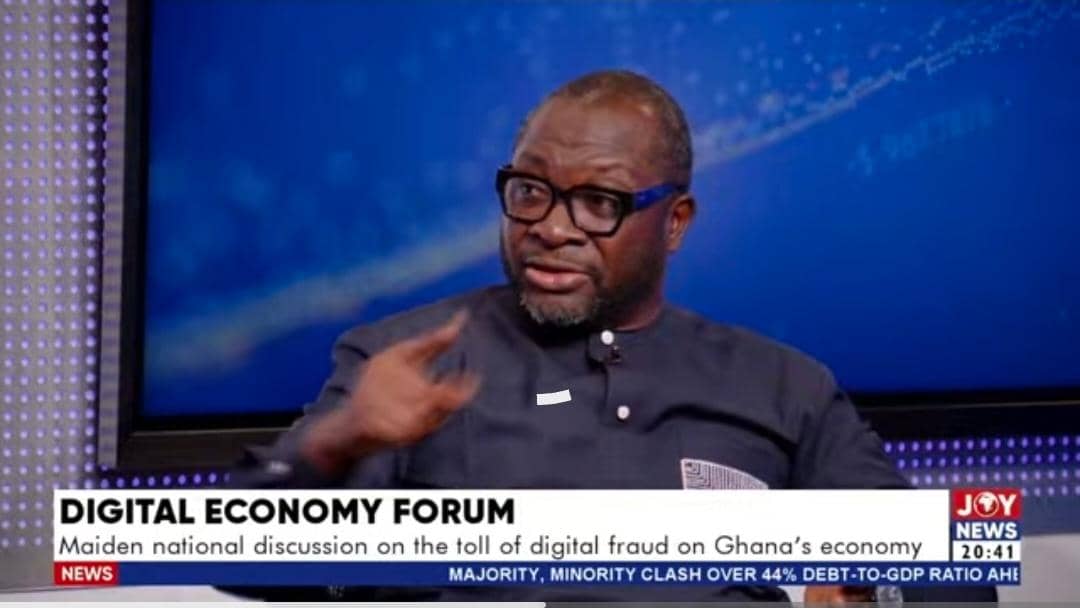

Ghana's leading banking executive has issued an urgent wake-up call about the nation's escalating cyber fraud crisis, revealing that he himself became a scammer's target within moments of finishing a live radio programme warning the public about digital crimes.
John Awuah, Chief Executive Officer of the Ghana Association of Banks, made the stark disclosure during a JoyNews-Hubtel dialogue on Wednesday dedicated to examining fraud's damaging impact on Ghana's digital economy. His candid account underscores a dangerous paradox: the very expertise and professional status that should protect individuals may instead leave them complacent and vulnerable.
A CEO's Narrow Escape
Awuah recounted a chilling incident that occurred at Joy FM's studios, where he had just completed an interview educating listeners about cyber fraud prevention. "Immediately after leaving the studio and sitting in my car, I received a message from suspected fraudsters," he explained. The timing was no coincidence—scammers had apparently monitored his appearance and swiftly attempted exploitation, banking on a moment of vulnerability or distraction.
The incident crystallised a profound realisation for one of Ghana's most prominent financial voices: professional status and education provide no genuine shield against modern fraud. If fraudsters would target the head of the nation's banking association whilst he was actively raising awareness about their tactics, the message for ordinary Ghanaians is unambiguous—no one sits outside the danger zone.
The Deadly Myth of Immunity
Awuah identified a critical psychological barrier undermining Ghana's collective defence against fraud: the widespread belief that education, professional qualification, or social standing confers protection. This false confidence, he argued, represents one of the country's most dangerous vulnerabilities in combating digital crime.
"Many people believe their level of education takes them out of the fraud victim population," he said, highlighting how this misplaced certainty causes citizens to lower their guards precisely when vigilance is most essential. The CEO stressed that fraudsters do not discriminate—they view Ghana's entire population of 35 million as potential targets, selecting victims based on opportunity rather than credentials.
"We are all in the sample size," Awuah warned, rejecting any notion of invincibility across Ghanaian society.
Why It Matters for Ghana
Awuah's warnings arrive as digital financial crime poses an accelerating threat to Ghana's economic development. Rising adoption of mobile money platforms, online banking, and digital payment systems has dramatically expanded the frontier for cyber criminals, creating both convenience and vulnerability for consumers and businesses alike.
Ghana's digital economy cannot flourish sustainably whilst citizens remain psychologically unprepared for sophisticated fraud tactics. The JoyNews-Hubtel dialogue gathered key stakeholders—financial institutions, regulators, technology companies, and civil society—to address systemic weaknesses in public awareness and consumer protection frameworks.
The convergence of expanding digital infrastructure, increasing financial inclusion through mobile technology, and evolving criminal sophistication creates a perfect storm. Without urgent, nationwide shifts in how Ghanaians perceive fraud risk, projected economic losses will mount, consumer trust in digital platforms will erode, and the nation's transition towards a cashless economy will falter.
Awuah's message is uncompromising: every Ghanaian—regardless of profession, education, or status—must abandon assumptions of immunity and embrace continuous vigilance. Only through universal acknowledgement of shared vulnerability can the country develop the collective resilience needed to defend its digital future.
Source: MyJoyOnline




Comments (0)
Be the first to comment.