Don Little Opens Up: How Poverty Interrupted His Education, But Never Dampened His Drive
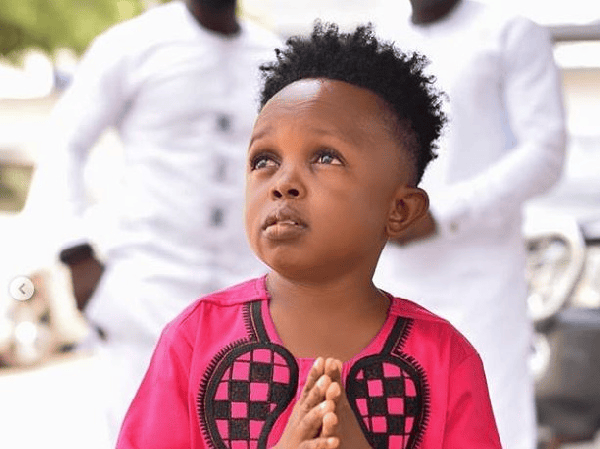
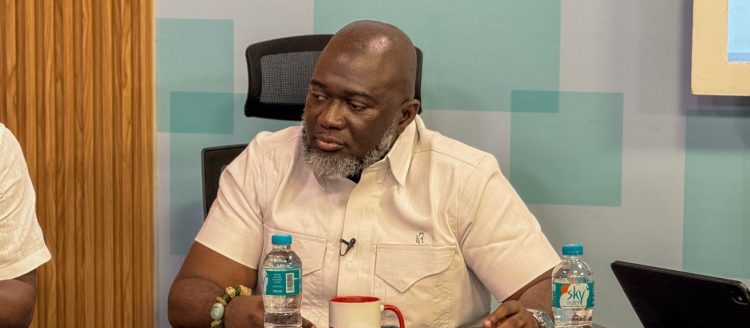
Ghanaian actor Don Little has given a candid account of his struggle to complete his basic education, attributing the delays not to lack of ability but to the crushing weight of poverty that forced him to abandon his studies for extended periods. In an interview on UTV, the actor, whose real name is Stephen Atanga, opened up about a childhood marked by financial instability that repeatedly interrupted his schooling and extended his journey through the education system.
According to Don Little, his family's inability to consistently afford school fees meant he frequently had to stay away from the classroom. When he eventually returned after these gaps, the disruption to his learning meant he sometimes had to repeat classes, making the path to completing Junior High School considerably longer than it should have been. He finally completed JHS in 2011, having navigated a non-linear educational journey shaped largely by economic circumstances beyond his control.
Talent Over Circumstances
What stands out in Don Little's account is his insistence that poverty robbed him of school access, not of talent or potential. The actor emphasised that he has always possessed a creative mind—describing himself as someone who enjoys creating and fixing things. This creative drive, he suggests, is intrinsic to who he is, regardless of whether he had consistent access to formal education.
Don Little's reflections underscore a distinction between educational opportunity and innate ability. While many young Ghanaians face similar barriers to schooling, not all go on to establish successful careers as he has done. His emphasis on his creative talents suggests he recognised early on that formal education, while important, was not the sole determinant of his future prospects.
Interestingly, Don Little revealed a preference for private school over public education, believing that a private setting would better suit his creative inclinations and talents. This preference hints at the complex decisions families facing poverty must make about education—sometimes pursuing options that feel aligned with a child's strengths, even when resources are severely limited.
Why It Matters for Ghana
Don Little's story resonates deeply within the Ghanaian context, where educational access remains unevenly distributed along socioeconomic lines. According to various reports, thousands of Ghanaian children still drop out of school each year due to financial hardship, and many more experience interrupted education similar to what Don Little endured.
The actor's experience highlights a critical challenge in Ghana's education sector: the gap between potential and opportunity. While the country has made strides in improving school enrolment, the quality and consistency of that education, particularly for children from low-income families, remains problematic. Repeated absences and class repetitions disrupt learning momentum and can lead to further dropouts.
Don Little's eventual success in entertainment—a field that has allowed him to leverage his creative talents—offers a counterpoint to conventional narratives about educational achievement. His rise suggests that while formal education matters, resilience, innate ability, and finding the right platform can help individuals overcome educational disadvantages. However, his story should not be read as an argument against improving educational access in Ghana. Rather, it underscores the importance of ensuring that talented young Ghanaians do not have to rely on exceptional determination or luck to succeed.
For policymakers and stakeholders in Ghana's education sector, Don Little's account is a reminder that poverty-driven educational disruption has real consequences that extend into adulthood, and that supporting the most vulnerable students is not merely a matter of equity—it is also about ensuring that Ghana does not lose talented individuals to circumstance.
Source: The Ghana Report


Comments (0)
Be the first to comment.