
Call for Independent Body to Police Political Party Funding in Ghana Gains Momentum
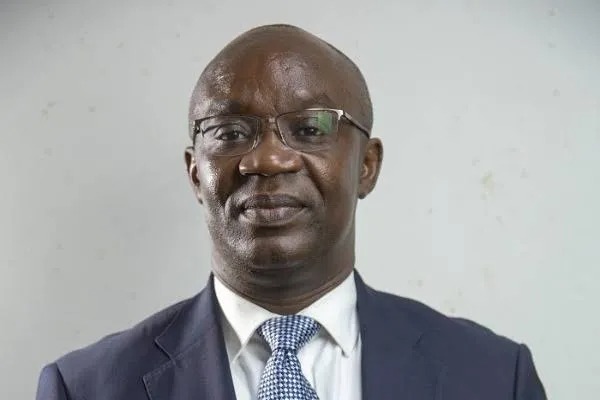

Ghana's political financing landscape is under the spotlight after development economist and chartered accountant Dr Valentin Kwasi Mensah called for the creation of an independent regulatory body to supervise how political parties raise and spend money. In an opinion piece examining the rising cost of partisan politics in Ghana, Dr Mensah argued that without dedicated institutional oversight, the country's electoral process remains vulnerable to undue influence by wealthy backers seeking government favours in return for campaign support.
The problem with political financing in Ghana
Ghana already has legal frameworks meant to govern party finances. Article 55 of the 1992 Constitution and the Political Parties Act, 2000 (Act 574) both require political parties to disclose their funding sources, submit financial returns and publish audited accounts. The Electoral Commission (EC) is the body responsible for receiving and enforcing these disclosures.
However, Dr Mensah says compliance has been inconsistent and enforcement weak. To demonstrate this, he revealed that he wrote to the Electoral Commission on 28th January 2025 requesting the 2023 financial returns and audited accounts of both the New Patriotic Party (NPP) and the National Democratic Congress (NDC). While the Commission acknowledged his request, he said he had received no substantive response despite repeated follow-ups. The situation, he argues, highlights a troubling gap between what the law demands and what actually happens in practice.
He also pointed out that without regular public reporting on party finances, neither citizens nor Parliament can meaningfully assess whether the EC is doing its job in enforcing political finance rules — a democratic deficit that goes largely unnoticed.
Why it matters for Ghana
The stakes are high. As campaign costs continue to rise with each election cycle, politicians who lack independent resources become increasingly reliant on wealthy individuals and corporate interests to fund their campaigns. Dr Mensah warns that this dependency creates a transactional dynamic, where financial backers may later expect appointments to public office, government contracts or policy decisions in their favour. This undermines the principle of public service and erodes trust in elected officials.
Ghana is not unique in facing this challenge — many democracies around the world have grappled with the corrupting potential of money in politics. But the absence of a dedicated, independent watchdog means Ghana currently lacks the institutional muscle needed to catch and punish violations effectively. The EC, which manages elections broadly, may not have the specialist capacity or the political insulation needed to robustly police party finances on top of its other responsibilities.
Dr Mensah noted that the Constitution Review Committee has proposed establishing an independent regulator for political parties and campaigns — a move that could directly address this gap. A key debate, however, is whether such a body should be anchored in the Constitution itself or created through ordinary legislation. Dr Mensah favours constitutional protection for the regulator's independence, core mandate and appointment processes, while allowing day-to-day operational details — such as spending limits, reporting timelines and sanctions — to be set by legislation, which is easier to update as circumstances change.
What needs to happen next
Beyond the question of constitutional versus legislative grounding, Dr Mensah outlined several practical measures that any effective regulator would need to enforce:
- Campaign spending limits to prevent the arms race of election expenditure that disadvantages smaller parties and independent candidates.
- Timely disclosure of major donations so the public can scrutinise large financial contributions before, not after, elections.
- Verification of funding sources to ensure money from foreign or illicit sources does not enter Ghana's political system.
- Consistent enforcement of sanctions against parties that fail to meet financial reporting requirements, ending the current culture of impunity.
Crucially, Dr Mensah stressed that the new body's success would depend on more than its legal status. It would also need adequate funding, qualified personnel with expertise in finance and electoral law, transparent decision-making processes and mechanisms for public accountability. A regulator that exists on paper but lacks resources or independence in practice would offer little improvement over the current situation.
As Ghana continues its constitutional review process, the push for a properly resourced and genuinely independent political finance regulator represents one of the more consequential reforms on the table — one that could shape the integrity of Ghanaian democracy for decades to come.
Source: MyJoyOnline


Comments (0)
Be the first to comment.