Beyond the seizures: Ghana must expose the criminal networks bankrolling drug trafficking, says legal expert
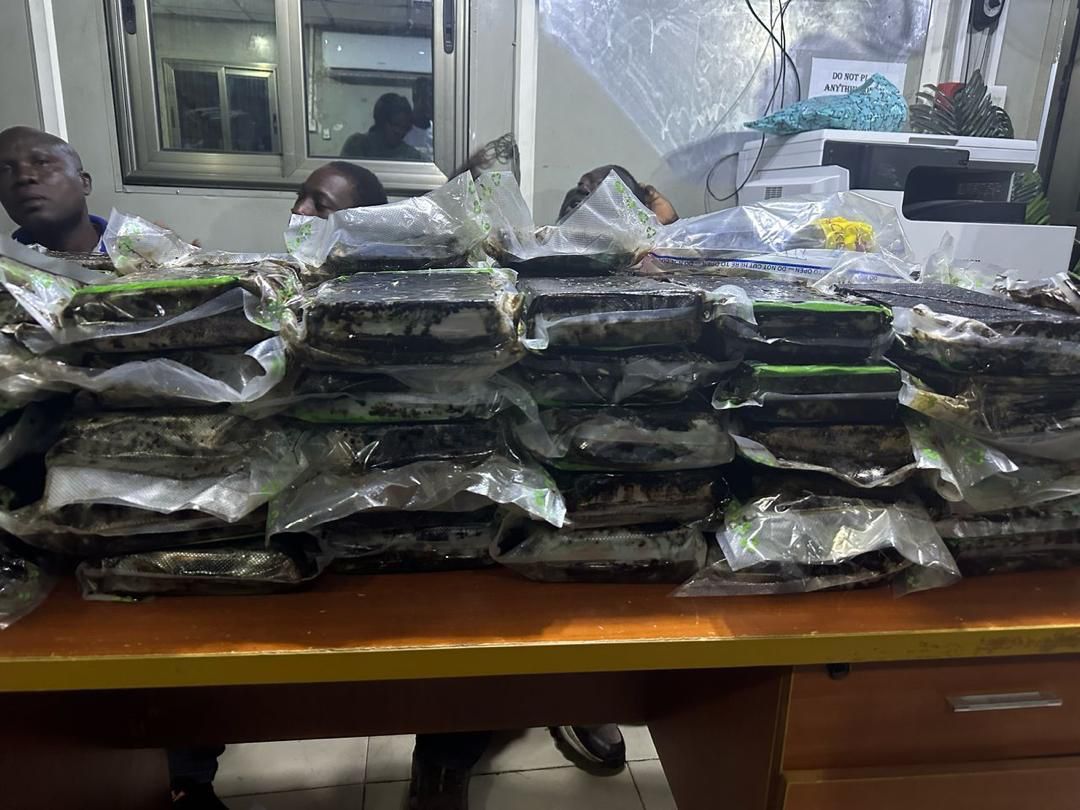
International corporate lawyer and entrepreneur Victoria Bright has sounded an urgent alarm about Ghana's approach to combating drug trafficking, arguing that the country's focus on individual drug seizures masks a far more serious institutional problem that threatens national security.
Speaking on Newsfile, Ms Bright emphasised that Ghana cannot afford to treat repeated drug busts as isolated incidents. Instead, she called for a comprehensive investigation into the organised crime networks, financial mechanisms and institutional vulnerabilities that enable traffickers to move narcotics through Ghana's ports, airports and border crossings with apparent ease.
"We have to go beyond these individual drug seizures and examine the wider questions of organised crime, these allegations of political influence, institutional accountability, and our vulnerability as a transit point for international drug traffickers," she said.
The scale of Ghana's drug trafficking problem
Recent months have witnessed a troubling pattern: major drug consignments linked to Ghana have been intercepted at various stages of transit. What makes this trend particularly alarming is that many of the largest seizures have occurred not at Ghana's borders or ports, but in Europe and other international destinations—suggesting that substantial quantities are successfully slipping through local checkpoints.
The routes used by traffickers are diverse and sophisticated. Commercial shipping containers, road transport across borders and passenger aviation have all been exploited. This diversity of methods points to a level of organisation and resources that goes far beyond small-scale criminal activity.
Ms Bright highlighted a critical question that authorities must address: "How are they consistently getting through our ports and our airports? Who is financing all this, and who is ultimately benefiting from these trades?"
Why it matters for Ghana
Ghana's vulnerability as a transit hub for international drug trafficking represents more than a law enforcement challenge—it signals potential erosion of institutional integrity at the highest levels. If trafficking networks can move large consignments through official ports and airports with regularity, the implication is that either systems designed to prevent such movement have failed catastrophically, or that some actors within state institutions may be compromised.
The consequences extend beyond narcotics control. Countries identified as hubs for international drug trafficking risk international sanctions, reduced foreign investment, reputational damage and increased scrutiny from development partners. Moreover, the drug trade fuels corruption, undermines rule of law and destabilises communities.
For ordinary Ghanaians, this issue directly affects national security and the trustworthiness of public institutions. A government unable or unwilling to investigate systematic trafficking suggests weaknesses in institutional oversight and accountability that could have implications far beyond drug control.
From symptom to cause
Ms Bright argued forcefully that Ghana must shift its strategy from treating drug seizures as victories to understanding them as symptoms of a deeper problem. "We have to treat this issue now as a serious national security and institutional integrity question rather than just a series of big drug busts," she said.
This approach would require investigating several critical areas: the sources of financing for trafficking operations, the individuals and institutions that benefit from the trade, the extent of political influence within trafficking networks, and systemic vulnerabilities in Ghana's border management and customs procedures. Such an investigation would likely involve international cooperation, forensic financial analysis and institutional reform.
Until Ghana addresses these structural questions, drug seizures—while important—will remain a reactive response to an active, well-resourced criminal enterprise operating with apparent impunity.
Source: MyJoyOnline



Comments (0)
Be the first to comment.