
Beyond rent caps: why Ghana's student housing crisis needs supply, not price controls
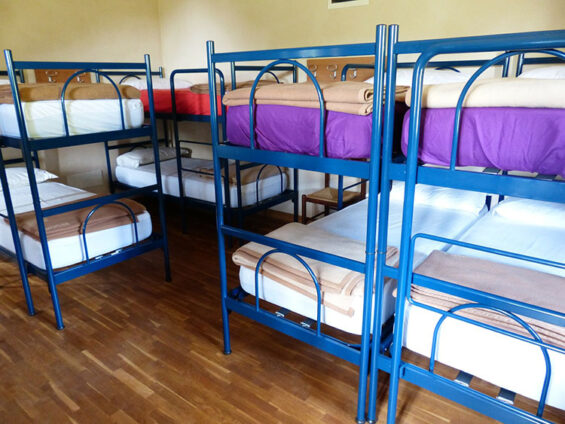

Ghana's universities are caught in a deepening residential accommodation crisis, with student numbers far outpacing available hostel beds. Recent calls to cap hostel rents have reignited debate, but economists and policy analysts are cautioning that price controls could worsen the very problem they aim to solve.
The scale of the challenge is stark. The University of Ghana's main Legon campus saw enrolment more than double from approximately 23,000 students in 2012 to about 59,000 by 2024—yet state investment in new halls of residence has barely moved. This pattern repeats across Ghana's tertiary institutions, leaving hundreds of thousands of students dependent on private sector hostels, many of which charge rates students struggle to afford.
Recent intervention by Ghana's Rent Commissioner, who accused certain hostel owners of exploitation, has brought the issue into sharp public focus. While the affordability problem is real, critics argue the proposed solution—rent control—misdiagnoses the core issue and risks making it worse.
The economics of housing supply
The fundamental problem is not greedy landlords but a supply-demand imbalance. Since the late 1990s, as enrolment numbers surged, Ghana's government failed to expand campus infrastructure proportionally. Private investors stepped in to fill the gap, but they require sufficient returns to justify the capital they deploy and the risks they assume.
Construction costs in Ghana have risen faster than general inflation over the past two decades, making hostel development expensive. Investors recoup these costs through rents. Any policy that artificially suppresses those rents without addressing supply will discourage new investment—the opposite of what Ghana needs.
Global evidence is instructive. Countries and cities that have imposed rent controls—from rent-stabilised units in New York to post-war Europe—consistently experience the same outcome: short-term price drops followed by supply shortages, declining maintenance quality, and emergence of black markets. Students ultimately pay the price through fewer available rooms, worse conditions, and informal housing arrangements.
Why it matters for Ghana
Ghana's transition from state-provided free or subsidised student housing to private sector provision is complete and irreversible. Governments across Africa and the developing world lack the fiscal capacity to build and maintain dormitories at scale. Private capital is the realistic path forward.
The real question is how to leverage private investment while making accommodation more affordable. Simply capping rents will freeze investment and deepen scarcity. Instead, policymakers should pursue interventions that expand supply at lower cost.
Practical alternatives exist: the government could offer tax waivers at different stages of construction; universities could reduce or waive land costs for hostel development; and in exchange, investors could agree to cap rents at negotiated levels with controlled future increases. These approaches incentivise supply expansion whilst protecting student affordability.
The path forward
Solving Ghana's campus housing challenge requires coordinated action from multiple stakeholders. The Ministry of Education, Ghana Tertiary Education Commission (GTEC), GETFund, university authorities, private developers, and civil society must collaborate on evidence-based strategies.
Quick-fix price controls sound appealing but will ultimately harm the students they aim to protect. Ghana's universities cannot become testing grounds for policies that decades of international experience have proven ineffective.
The focus must shift from controlling prices to expanding supply. Only when hostel beds become abundant will rents naturally fall. Until then, threats of rent control will only drive investors away, leaving more Ghanaian students without safe, affordable housing near campus.
Source: The Ghana Report





Comments (0)
Be the first to comment.