Beyond Port Security: Ghana must launch nationwide youth drug campaign, says COPEC chief
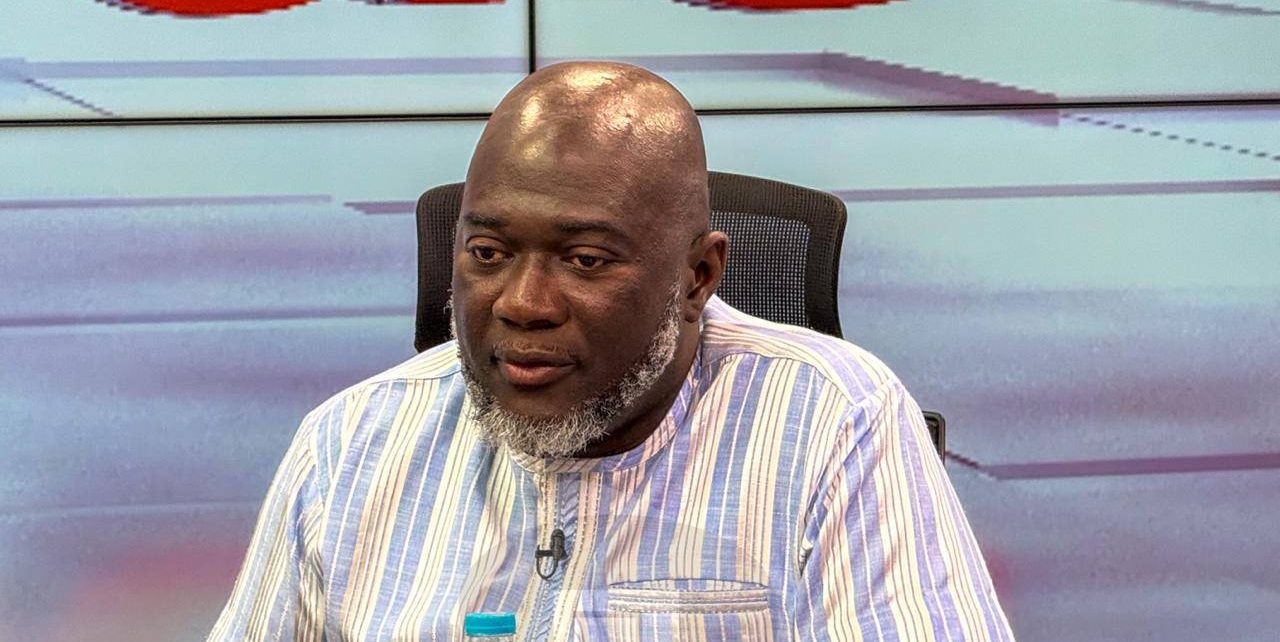
Ghana's drug crisis demands a two-pronged response that goes far beyond tightening customs at ports. That is the message from Duncan Amoah, Executive Secretary of the Chamber of Petroleum Consumers (COPEC), who has called for an urgent nationwide campaign targeting drug abuse among young people, even as authorities grapple with a major cocaine trafficking scandal.
Amoah's intervention comes as investigators probe the seizure of nearly 3.9 tonnes of cocaine—valued at approximately €225 million—that was smuggled from Ghana to France in September. French customs officials discovered the narcotics concealed in a shipping container marked as plastic waste at the Port of Dunkirk after it departed Ghana on September 10. Six individuals, including four officers from the Ghana Revenue Authority's Customs Division, have been arraigned before the Kwabenya Circuit Court and remanded in custody pending ongoing investigations.
A Holistic Approach to Ghana's Drug Problem
While acknowledging the importance of strengthening border security, Amoah has stressed that tackling Ghana's drug menace requires simultaneous action on the demand side. He is urging the government to organise coordinated national and regional sensitisation programmes, particularly in communities already experiencing high levels of narcotics use. Critically, he has called for high-level political engagement, with the President and senior government officials actively participating in these campaigns rather than delegating responsibility to lower-level functionaries.
The COPEC chief's position reflects a growing recognition among stakeholders that supply-side enforcement alone cannot solve Ghana's drug challenges. Youth unemployment, limited economic opportunities, and inadequate mental health and rehabilitation services create conditions where drug abuse flourishes. Without simultaneous efforts to address these underlying drivers and educate young people about the dangers of narcotics, interdiction efforts will remain insufficient.
Why it matters for Ghana
Ghana's status as a major transit point for narcotics trafficking has serious implications for the nation's development and international standing. The discovery of multi-tonne cocaine shipments suggests sophisticated criminal networks have embedded themselves within key economic sectors, including customs and port operations. This raises questions about institutional capacity and corruption.
Equally concerning is the domestic impact: increased drug trafficking typically correlates with rising local consumption, particularly among youth. Ghana's young population, already facing unemployment and limited opportunities, becomes vulnerable to addiction. Drug abuse drives crime, disrupts education, destabilises families, and strains public health resources. A nationwide youth campaign, as Amoah proposes, could help prevent the normalisation of drug use in communities and build awareness of addiction risks.
Furthermore, Ghana's ability to combat drug trafficking affects its relationships with international partners, including France, the European Union, and the United States. Demonstrating genuine commitment to tackling both supply and demand sends a strong signal about Ghana's governance standards and strengthens diplomatic relations.
Due Process and Investigative Integrity
While supporting the arrests, Amoah has issued an important caution: investigators must respect suspects' rights and establish individual culpability rather than assuming guilt based on proximity to the crime. He noted that negligence and trafficking are not equivalent, and that evidence—including communications and phone records—must determine each person's actual involvement. This reminder is timely, given Ghana's history of concerns about investigative procedures and the need to maintain public confidence in the justice system.
The COPEC chief's call for a comprehensive, evidence-based approach to Ghana's drug challenge offers a roadmap for policymakers: strengthen ports, yes, but simultaneously invest in youth sensitisation, rehabilitation services, and targeted interventions in high-risk communities. Success requires sustained political will and coordination across multiple sectors.
Source: The Ghana Report

Comments (0)
Be the first to comment.