
Agalga Shuts Down Cocaine Probe Push, Warns Parliament Cannot Conduct Criminal Investigations
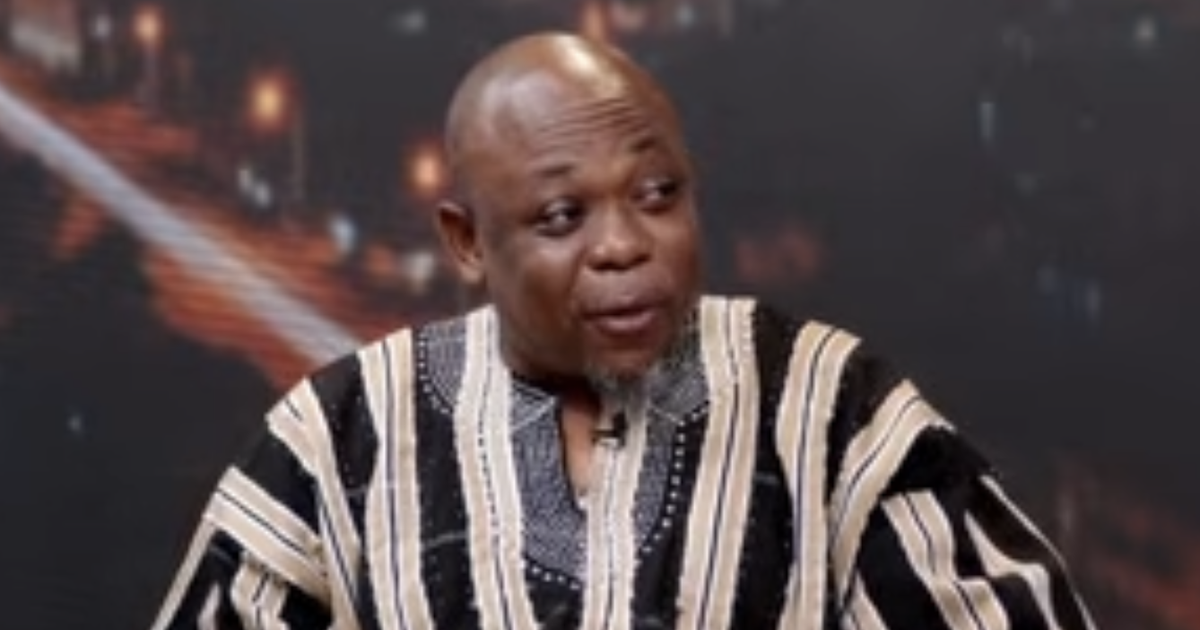

Majority Leader James Agalga has drawn a clear line in the sand over demands for Parliament to probe a string of high-profile cocaine seizures linked to Ghana, declaring that the legislature simply does not possess the power to conduct criminal investigations. His remarks, made on JoyNews' PM Express on Wednesday, signal that the ruling side of the House will not support any such inquiry moving forward.
What sparked the standoff
The row erupted after a series of significant narcotics seizures raised serious questions about the integrity of Ghana's ports, cargo inspection systems and the agencies tasked with combating drug trafficking. The Minority caucus responded by petitioning for Parliament to be recalled from recess to scrutinise those lapses, arguing that the public deserved legislative oversight of what had gone wrong.
Speaker Alban Bagbin did recall the House for an emergency sitting on 29 September, demonstrating the gravity with which he treated the petition. However, he ultimately ruled the proposed inquiry inadmissible in its current form, warning that its scope overlapped substantially with matters already before the courts and that proceeding risked prejudicing ongoing judicial proceedings. That ruling effectively blocked the inquiry as it had been framed.
Agalga's case against the probe
Mr Agalga went further on Wednesday, accusing the Minority of knowingly pursuing an avenue they understood to be constitutionally closed. He pointed out that arrests had already been made, suspects had been arraigned, some had been granted bail and trials were actively underway in certain cases. Under those circumstances, he questioned what Parliament could meaningfully investigate without treading on the judiciary's terrain.
He also invoked the sub judice rule, which is embedded in Parliament's own standing orders and restricts the House from wading into matters already engaging the attention of the courts. "Parliament's own standing orders will not allow us to stray into matters that have engaged the attention of the judiciary. The minority knows this," he said pointedly. His position was that the Minority's push amounted to political grandstanding rather than a genuine legislative exercise, given that the relevant investigative agencies were already handling the cases.
Why it matters for Ghana
The dispute cuts to the heart of a critical question for Ghanaians: who holds the security and anti-narcotics agencies accountable when major drug seizures occur? Ghana has long faced international scrutiny over its role as a potential transit point for narcotics destined for Europe and elsewhere. Each high-profile seizure invites fresh questions about the effectiveness of port security and whether official complicity is involved.
Parliamentary oversight is one of the most visible and accessible mechanisms citizens have to demand answers from the executive and its agencies. When that avenue is closed — whether on constitutional grounds or otherwise — it narrows the space for public accountability. Critics of the Majority's position will argue that even if criminal trials are ongoing, Parliament retains a legitimate interest in examining systemic failures at the ports that allowed large quantities of cocaine to move through Ghana's territory.
Supporters of Mr Agalga's stance, meanwhile, will contend that constitutional boundaries exist for good reason: a parliamentary probe running parallel to court proceedings could compromise prosecutions, potentially allowing suspects to walk free on procedural grounds. The balance between legislative accountability and judicial integrity is not straightforward, and the Speaker's ruling acknowledged as much.
- Ghana's anti-narcotics framework and port security systems are likely to come under renewed public pressure regardless of the parliamentary outcome.
- The Minority may seek to recraft its inquiry to focus on systemic and policy questions — areas that do not directly touch on matters before the courts — in order to satisfy the Speaker's admissibility concerns.
- International partners who fund Ghana's counter-narcotics efforts will be watching closely to see how the country's institutions respond to the controversy.
For now, the proposed parliamentary inquiry remains stalled, with the constitutional and procedural arguments firmly in the Majority's favour. Whether the Minority can find a way to reframe its demands in a manner that clears the Speaker's threshold remains to be seen.
Source: MyJoyOnline


Comments (0)
Be the first to comment.