
Bawumia warns against public tribunals, calls for court reform instead
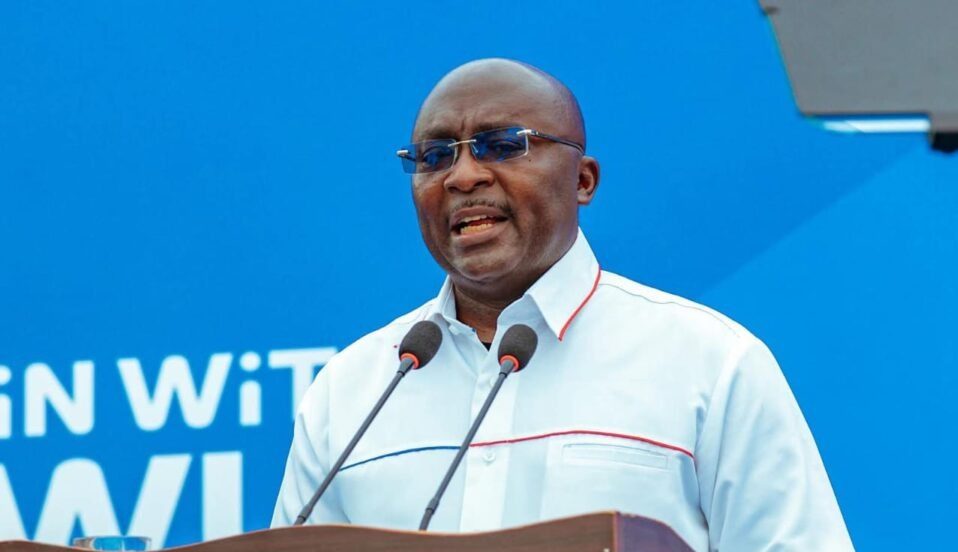

Dr. Mahamudu Bawumia, the New Patriotic Party's presidential candidate, has strongly opposed Parliament's passage of the Tribunals Bill, warning that reviving public tribunals is not the solution to Ghana's congested court system. In a national address on Sunday, July 19, Bawumia appealed directly to President John Dramani Mahama to withhold presidential assent from the legislation.
The NPP candidate acknowledged that Ghana's judiciary faces genuine challenges, including significant case backlogs and prolonged delays in processing legal matters. However, he argued that creating a parallel justice system would compound rather than resolve these structural problems. Instead, Bawumia advocated for modernising and strengthening the existing court infrastructure through targeted reforms.
The concerns about public tribunals
Bawumia's opposition centres on Ghana's historical experience with public tribunals, a system many Ghanaians associate with the country's military eras and concerns about judicial fairness. A key concern he highlighted is that the new bill would allow non-lawyers to sit in judgement over criminal cases. This aspect has triggered debate about whether such judges possess the legal expertise necessary to interpret complex criminal law and protect defendants' rights.
The candidate referenced Ghana's historical memory of tribunals, implying that public concerns about their legitimacy and fairness remain fresh in the national consciousness. His warning suggests that introducing such a system could undermine public confidence in Ghana's judiciary rather than improve access to justice.
The case for judicial strengthening
Rather than establishing a second justice system, Bawumia proposed a comprehensive modernisation agenda for Ghana's existing courts. His recommendations include:
- Recruiting and appointing additional judges to handle the current caseload more effectively
- Constructing new courtrooms to increase the judiciary's physical capacity
- Implementing digital processes to streamline case management and reduce administrative delays
- Enhancing overall court efficiency through systemic reforms
These proposals align with broader judicial reform conversations happening across Africa, where many countries are investing in court modernisation rather than alternative justice structures for serious crimes.
Why this matters for Ghana
The debate over public tribunals versus court strengthening reflects a fundamental question about how Ghana should manage its justice system. The judiciary's congestion is a real problem affecting ordinary Ghanaians—cases can take years to resolve, denying justice to victims and defendants alike. However, the solution chosen will shape public trust in the courts for years to come.
Bawumia's intervention suggests that judicial reform has become a campaign issue ahead of the 2024 elections. His position emphasises protecting the gains made in Ghana's democratic development since 1992, when public tribunals were abolished as part of the return to constitutional rule. The judiciary has since become increasingly independent, though it continues to struggle with capacity constraints.
If the Tribunals Bill is signed into law, it would represent a significant shift in how Ghana handles certain categories of cases. Conversely, if the government heeds Bawumia's warning and pursues court strengthening instead, it would require substantial budgetary investment in judicial infrastructure and personnel—a commitment that will test whether Ghana's government prioritises long-term institutional development over short-term solutions to case backlogs.
Source: The Ghana Report




Comments (0)
Be the first to comment.