Bawumia seeks engineering expertise on Ghana's infrastructure and transport challenges
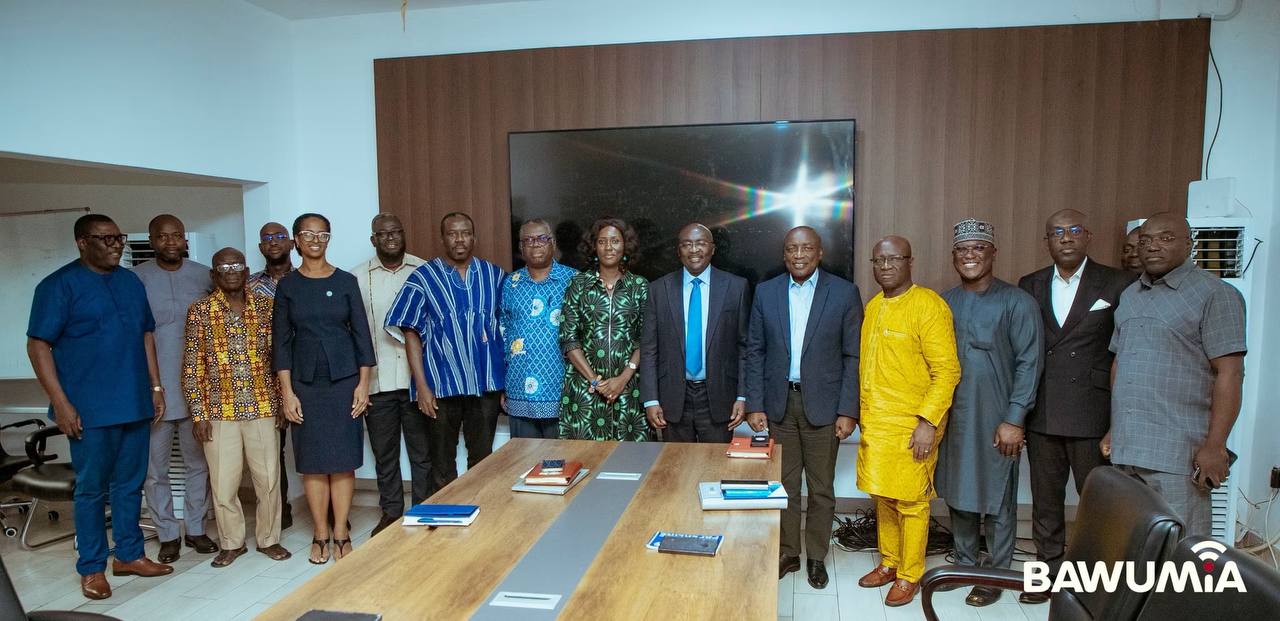
Former Vice President Dr. Mahamudu Bawumia has engaged the Ghana Institution of Engineering (GhIE) in discussions aimed at tackling some of the country's most pressing developmental challenges. The meeting brought together Dr. Bawumia and his policy team with engineering professionals to explore evidence-based solutions to critical infrastructure and service delivery issues facing Ghana.
The consultation focused on four key areas: urban transport systems, infrastructure development, public procurement reform, and ensuring value for money in government projects. Dr. Bawumia emphasised that professional expertise from engineers, scientists and technologists must be central to policy formulation, particularly when addressing complex national challenges.
"No nation can develop without the valuable input of engineers, scientists, technologists and other professionals," the former Vice President stated, underscoring the importance of technical knowledge in shaping effective policies. He committed to ensuring that recommendations from professional bodies are integrated into policy development processes.
Why it matters for Ghana
Ghana's development agenda has long been hampered by infrastructure gaps and inefficiencies in project execution. Urban transport congestion in Accra and other major cities continues to reduce productivity and quality of life, whilst infrastructure projects frequently face cost overruns and completion delays. Public procurement challenges have also resulted in wastage and poor value for taxpayers' money.
By engaging professional engineering bodies, there is potential for Ghana to draw on evidence-based solutions and international best practices. Engineers and technical professionals bring practical insights into what works elsewhere and can help identify context-appropriate solutions tailored to Ghana's specific challenges and resource constraints. Their involvement in policy design could strengthen project planning, reduce inefficiencies, and improve the likelihood of successful implementation.
The engagement also reflects broader recognition that effective governance requires meaningful consultation with professional stakeholders who understand technical complexities. In sectors like transport and infrastructure, rushing decisions without expert input has historically led to costly mistakes and abandoned projects.
Broader consultation strategy
This meeting with GhIE is part of a wider series of consultations Dr. Bawumia is conducting with various professional and stakeholder groups. The structured engagement approach aims to create space for diverse voices—from business leaders to academics to professional institutions—to contribute ideas to national policy discussions.
Such consultations can serve multiple purposes: gathering practical solutions, building consensus on difficult issues, and creating a sense of shared ownership in policy outcomes. When stakeholders feel genuinely heard, implementation of policies tends to improve, as professionals and organisations become more invested in seeing programmes succeed.
The timing of these engagements comes as Ghana navigates significant economic challenges and seeks pathways to sustainable growth and improved service delivery across multiple sectors.
Source: The Ghana Report


Comments (0)
Be the first to comment.