
Engineers key to unlocking Ghana's 24-Hour Economy ambition, VRA chief tells profession
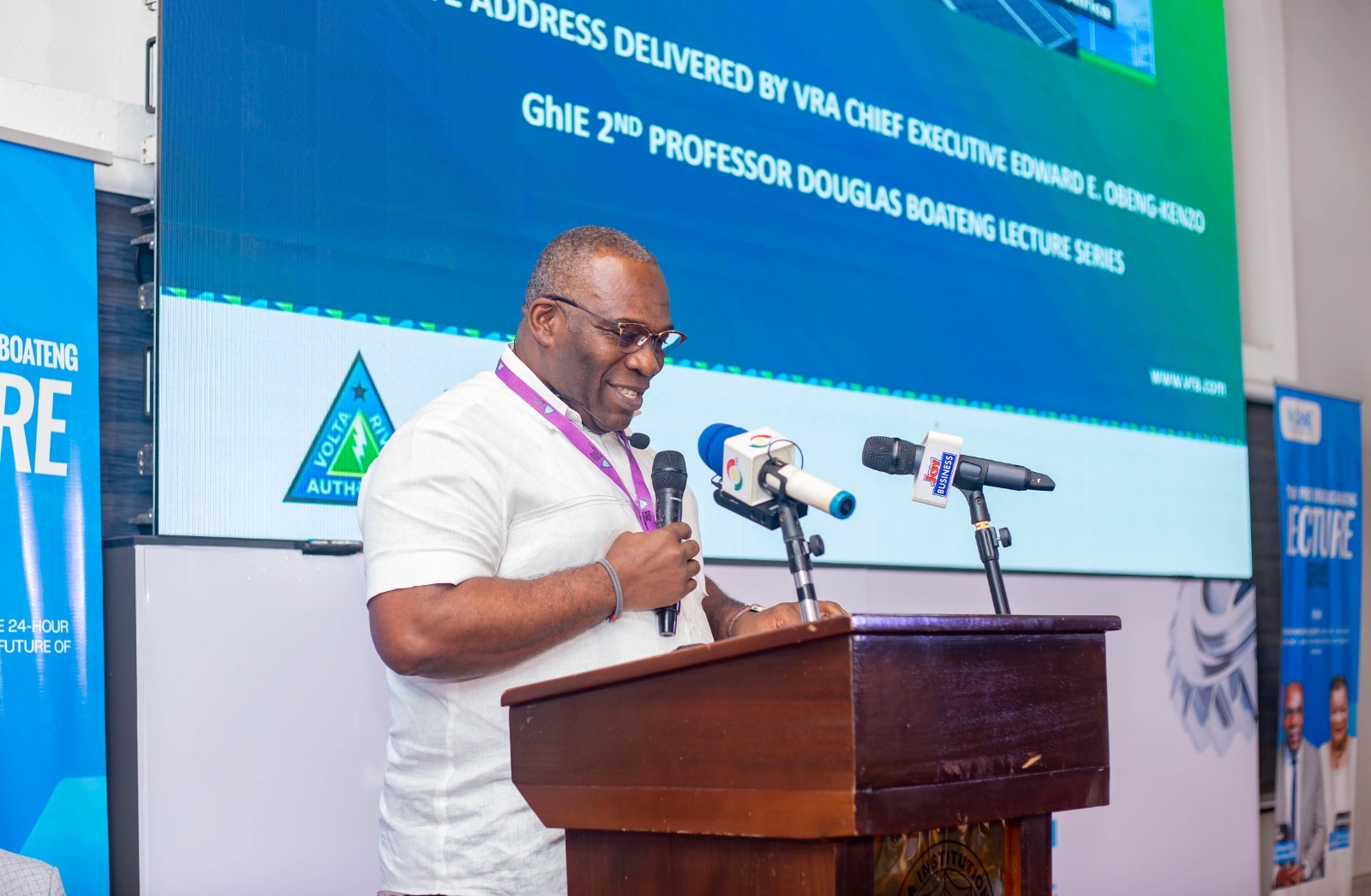

Ghana's engineering profession has been tasked with a defining responsibility: building the technical foundation for the country's ambitious 24-Hour Economy policy. Speaking at the Ghana Institution of Engineering's annual lecture series in Accra, VRA Chief Executive Ing. Edward E. Obeng-Kenzo emphasised that without engineers' expertise in infrastructure, energy and digital systems, the government's industrialisation goals will remain aspirational rather than achievable.
The 24-Hour Economy initiative, designed to boost productivity and competitiveness across sectors, will require engineers to design and construct factories, reliable power networks, transport systems and digital infrastructure at scale. Obeng-Kenzo framed this as both a substantial challenge and a historic opportunity for Ghana's engineering workforce to demonstrate strategic leadership and drive tangible national development.
What Ghana's engineering sector must deliver
The VRA chief outlined a concrete agenda for the Ghana Institution of Engineering, positioning it as the nation's primary engineering think tank. His priorities include strengthening electricity supply reliability, reducing technical losses in Ghana's power sector through innovation, and shaping national energy policy with evidence-based recommendations. He also called for a long-term engineering roadmap spanning 20 to 50 years to guide infrastructure investment across political cycles and ensure continuity of development planning.
Beyond policy, Obeng-Kenzo urged engineers to tackle immediate, visible problems affecting Ghanaians daily. Recurring flooding in Accra and other urban areas demands practical, sustainable engineering solutions developed in partnership with government. This signals that the profession's contribution will be measured not only by large-scale industrial projects but also by solving persistent infrastructure challenges that affect ordinary citizens.
The VRA CEO also emphasised institutional priorities: strengthening professional ethics, improving contract management systems, scaling up continuous skills training, and investing in specialised engineering expertise to prepare Ghana's workforce for future demands in infrastructure, energy and emerging sectors.
Why this matters for Ghana's development pathway
This call reflects a broader recognition in Ghana's policymaking circles that ambitious economic targets require skilled human capital and sound technical planning. The 24-Hour Economy cannot succeed on policy rhetoric alone; it demands rigorous engineering design, reliable systems and continuous innovation. Without engineers' leadership in translating economic vision into infrastructure reality, factories remain unbuilt, power supplies remain unreliable, and digital networks remain incomplete.
The emphasis on long-term planning—extending beyond election cycles—addresses a structural weakness in Ghana's infrastructure development. Short-term political priorities often interrupt major projects, inflate costs and delay completion. Engineers adopting a multi-decade perspective, supported by institutional frameworks, could help depoliticise critical infrastructure planning and ensure consistency across administrations.
Additionally, the focus on reducing technical losses in the power sector is economically significant. Ghana's electricity distribution losses represent wasted revenue and constrain industrial expansion; engineering-led solutions here directly improve the business environment for manufacturers and reduce operational costs.
The broader context
Professor Douglas Boateng, who founded the annual lecture series bearing his name, stressed that engineers must adopt long-term thinking to achieve sustainable industrialisation. Ing. Sophia Tijani, incoming President of the Ghana Institution of Engineering, positioned the initiative as a platform for strengthening engineering collaboration across West Africa, recognising that Ghana's industrial success is intertwined with regional integration and shared expertise.
The message from Ghana's engineering leadership is clear: the profession's standing in national development must rise from traditional roles in project execution to strategic roles in policy design, institutional reform and long-term planning. As the country pursues industrialisation, engineers are no longer support staff—they are central architects of Ghana's economic future.
Source: The Ghana Report




Comments (0)
Be the first to comment.