
Ato Forson Makes Solemn Pledge on New Economy as Budget 2027 Marks One Week
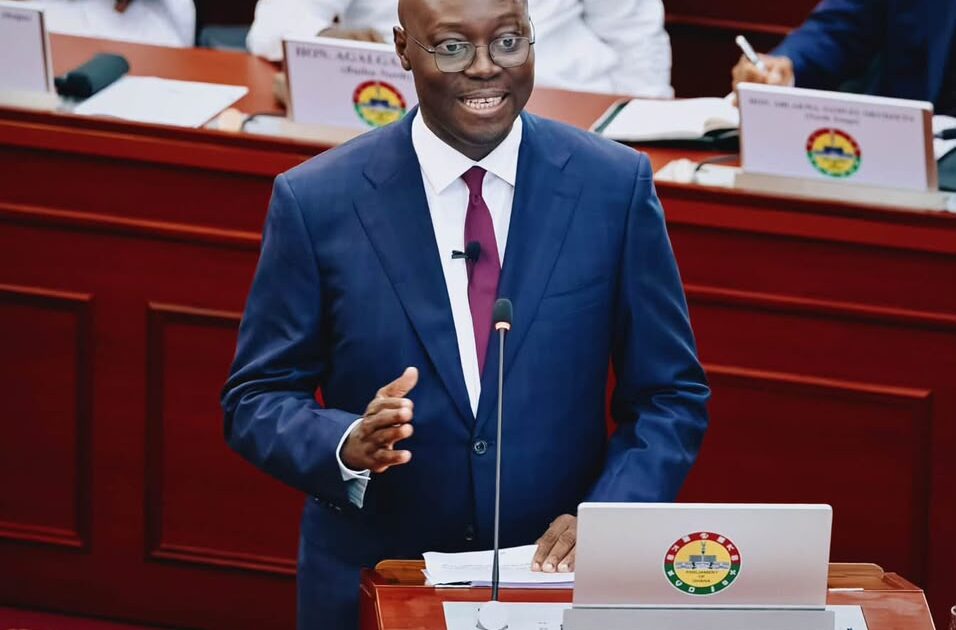

Finance Minister Dr Cassiel Ato Forson has issued a strong public commitment to the successful rollout of the government's flagship New Economy programme, marking one week since he laid the 2027 Budget before Parliament. In a social media post directed at Ghanaians, Dr Forson described the government's pledge as solemn, tying the programme's success directly to job creation and broad-based prosperity across the country.
What was promised
Dr Forson used the one-week anniversary of the Budget presentation to reaffirm the administration's direction. "We will do everything within our power to successfully implement the New Economy to create more jobs and bring prosperity to all," he wrote, framing the statement not merely as a policy goal but as a personal and governmental obligation to the Ghanaian public.
The Minister noted that the New Economy framework was unveiled under the authority of President John Mahama, signalling that the initiative carries the full backing of the presidency. The language of a "solemn pledge" is deliberate — it is an attempt to hold the government publicly accountable to the outcomes it has promised, and to signal to citizens, investors and development partners alike that implementation is the administration's top priority.
What is the New Economy?
The New Economy is the Mahama administration's economic vision anchored in the 2027 Budget. While full details of the programme span several policy areas, the central ambition is to shift Ghana's economic model towards one that generates more sustainable employment, broadens access to prosperity and reduces dependency on volatile commodity revenues. The budget framework is designed to lay the fiscal groundwork for this transformation, addressing both short-term stabilisation needs and longer-term structural reforms.
Ghana has in recent years grappled with significant economic headwinds — including a debt restructuring process under the International Monetary Fund's Extended Credit Facility programme, rising cost of living, and high unemployment, particularly among young people. The New Economy branding signals that the government wants to move the national conversation from crisis management to growth and opportunity.
Why it matters for Ghana
For ordinary Ghanaians, the proof of any budget programme lies in its implementation. Ghana has a long history of well-intentioned economic blueprints that have struggled to translate into tangible improvements in living standards. Dr Forson's public reaffirmation one week after the Budget is therefore both a morale-boosting message and a political statement — the administration is aware that citizens are watching closely.
Job creation remains one of the most pressing demands from the Ghanaian public, particularly given the high rate of youth unemployment. If the New Economy delivers on its employment promises, it could strengthen public confidence in the Mahama administration ahead of future electoral cycles. Conversely, failure to show early results will invite sharp scrutiny from opposition parties and civil society.
Investors and business leaders will also be monitoring how swiftly the government moves from rhetoric to concrete policy actions — including whether legislative backing, budget allocations and institutional reforms align with the New Economy's stated ambitions.
- Dr Forson presented Budget 2027 and launched the New Economy one week ago.
- The programme aims to create more jobs and deliver shared prosperity for Ghanaians.
- The initiative was unveiled under the direct authority of President John Mahama.
Source: MyJoyOnline


Comments (0)
Be the first to comment.