
Asokwa MP Denies Authoring Memo Rejecting GHC70,000 Gift


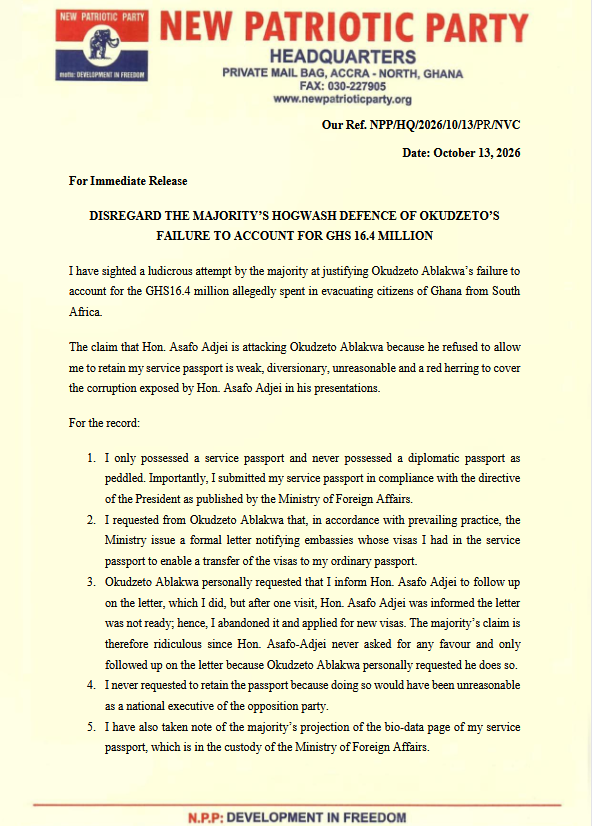
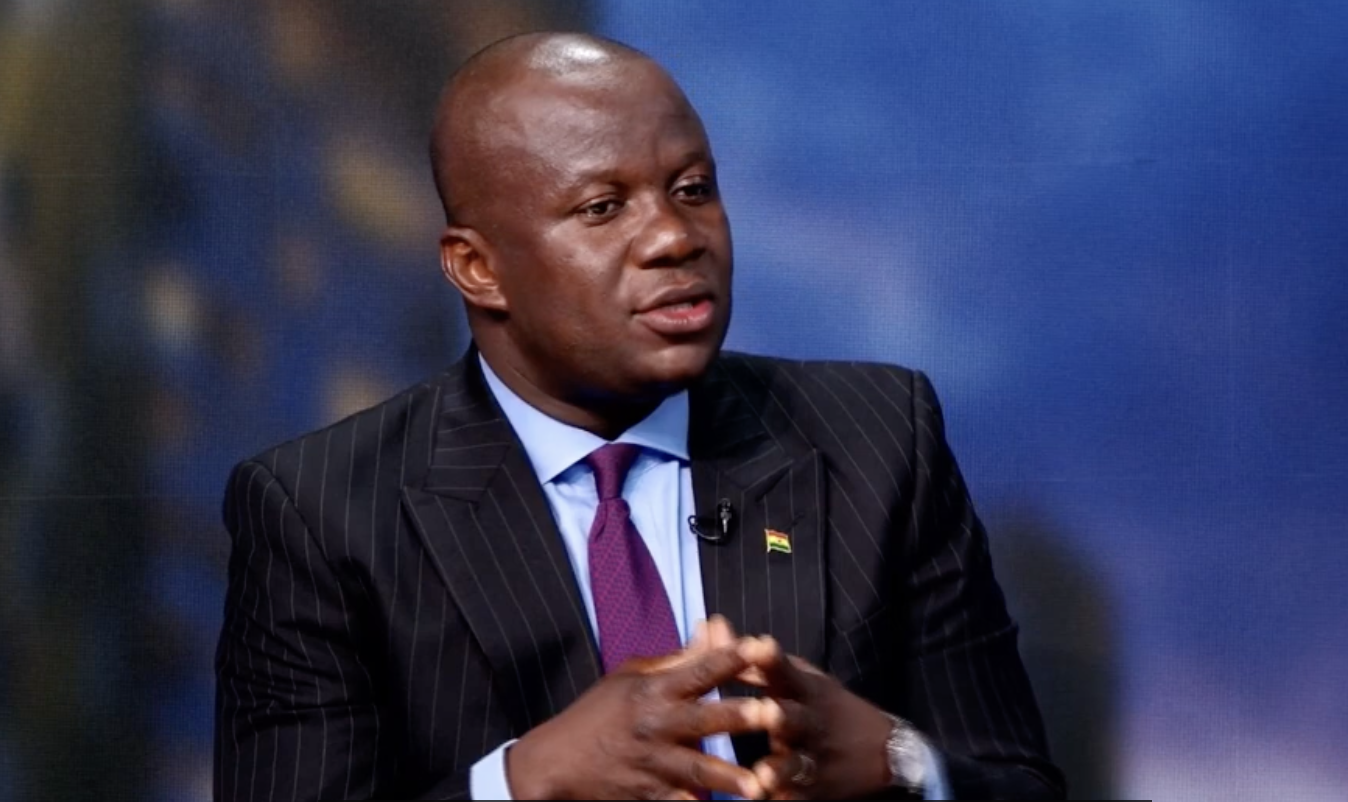
Ghana's political landscape has been rocked by fresh controversy as the Deputy Minority Leader and Member of Parliament for Asokwa has flatly denied authoring a memo that purportedly rejected a GHC70,000 gift.
The disputed memo, which has circulated in political circles, appears to document a rejection of the substantial sum. However, the Asokwa MP has moved swiftly to disassociate himself from the document, suggesting it may be a forgery or misattribution.
The Controversy Unfolds
The emergence of the memo has raised eyebrows among political observers and the general public alike. Questions have surfaced about the authenticity of the document, the source of the purported gift, and the circumstances surrounding its alleged rejection. Such matters typically attract scrutiny given Ghana's ongoing concerns about transparency and accountability in public office.
The Deputy Minority Leader's denial represents a significant statement from a senior opposition figure at a time when parliamentary business and political accountability remain under intense public and media examination. The timing of the memo's circulation and the circumstances of its authorship remain unclear, adding layers of intrigue to the developing story.
Why It Matters for Ghana
This incident touches on several critical issues that resonate with Ghanaian voters and civil society organisations. Firstly, it raises questions about documentary authenticity and the ease with which fabricated communications can circulate within political spaces. Secondly, it underscores ongoing debates about gift-giving, conflicts of interest, and ethical standards for Members of Parliament.
Ghana has made significant strides in strengthening institutions like the Office of the Special Prosecutor and parliamentary oversight mechanisms. However, controversies such as this highlight the persistent challenges in maintaining public trust in political leadership. Citizens and advocacy groups increasingly demand clarity and evidence when accusations of misconduct or irregularity emerge.
The Deputy Minority Leader's position is particularly significant given the opposition's role in holding government accountable. Any perception of impropriety—whether genuine or fabricated—can undermine the credibility of parliamentary scrutiny and weaken democratic institutions.
Next Steps
As the story develops, stakeholders will likely call for investigation into the memo's origins. The parliamentary leadership may be expected to make statements, and media outlets will continue probing for details. The broader implications for parliamentary ethics and document verification procedures could shape how such matters are handled in the future.
For now, the denial stands, but the controversy serves as a reminder of how quickly political narratives can shift in Ghana's dynamic media environment and the importance of verifying claims before public circulation.
Source: 3News


Comments (0)
Be the first to comment.