
Asantehene warns galamsey threatens lives as Jimi River degradation reaches crisis point
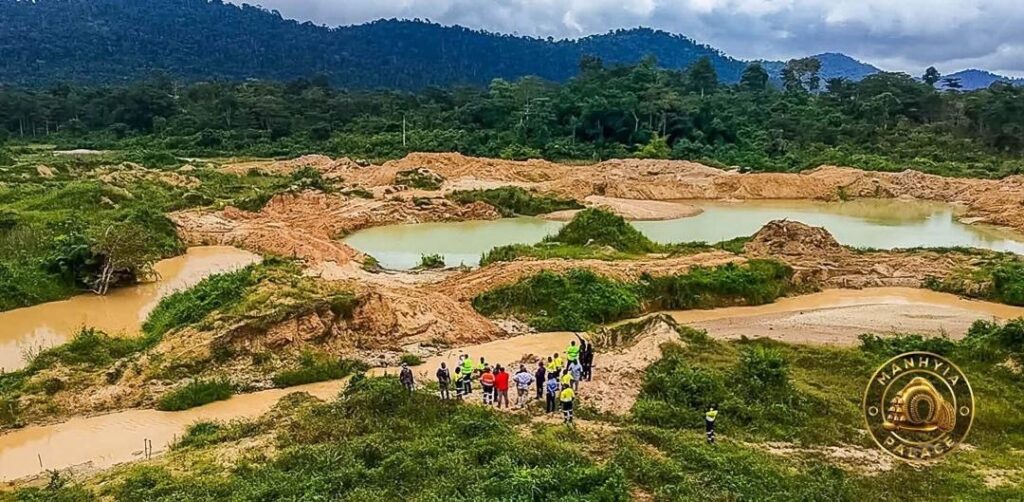
Asantehene Otumfuo Osei Tutu II has sounded an alarming warning about the catastrophic consequences of illegal gold mining in Ashanti region, after witnessing firsthand the severe degradation of the Jimi River near Obuasi. During an inspection of the river and its dam, the revered traditional leader expressed deep concern that the destruction of critical water resources could ultimately claim lives through environmental contamination and health crises.
The Jimi River, which serves as a water source for over 200,000 residents in Obuasi and surrounding areas, has been severely compromised by illegal miners who have diverted its course and created dangerous siltation. The Asantehene observed heaps of sand deliberately placed by artisanal miners at Tasliman, fundamentally altering the river's natural flow and threatening the functionality of the Jimi Dam that treats water for the region.
Speaking candidly about the drivers of galamsey, Otumfuo acknowledged the unemployment crisis pushing young people toward illegal mining. However, he emphasised that short-term financial gains cannot justify long-term environmental devastation. "I understand illegal mining has become an option because many young people have no jobs," he stated, before cautioning: "If we destroy the river, what happens to us then? We will give birth to deformed babies."
The health and environmental toll
The Asantehene's reference to congenital abnormalities reflects growing scientific evidence linking environmental degradation and water contamination to severe health consequences. Illegal mining operations typically introduce mercury and cyanide into water systems, contaminating drinking water supplies and agricultural sources. For communities relying on the Jimi River for daily water needs, such pollution poses immediate threats including neurological damage, kidney failure, and reproductive health complications.
Beyond immediate health impacts, the destruction of the Jimi River threatens the livelihoods of farmers and fishers dependent on the watercourse. The diversion of water for mining purposes also reduces agricultural productivity across the region, potentially exacerbating the very unemployment crisis that drives young people toward galamsey in the first place.
Why this matters for Ghana
The Jimi River situation represents a microcosm of Ghana's broader illegal mining crisis, which has contaminated water bodies nationwide and caused billions of cedis in environmental damage. The Ashanti Region, home to significant gold deposits, has been particularly hard hit, with rivers across Obuasi, Adansi, and neighbouring areas showing signs of severe degradation. What happens in Obuasi sets precedents across the nation.
The Asantehene's intervention carries substantial weight in Ashanti politics and society. His decision to escalate the matter to his council of chiefs signals the possibility of traditional enforcement mechanisms against galamsey operators, complementing government efforts. The presence of two cabinet ministers—Lands and Natural Resources Minister Emmanuel Armah-Kofi Buah and Local Government Minister Mahama Ayariga—at the inspection underscores government acknowledgment of the crisis's urgency.
The Jimi Land Reclamation and River Watercourse Rehabilitation Project, a 153-hectare pilot initiative under the Green Ashanti programme, offers a potential pathway forward. The project aims to restore degraded lands whilst providing alternative livelihoods through kenaf and tree farming, addressing unemployment without environmental destruction. Such initiatives are critical if Ghana is to balance resource extraction with ecosystem preservation.
Otumfuo's call for responsible mining practices reflects the reality that simple prohibition of galamsey has proven ineffective without viable economic alternatives. His appeal to young miners to operate responsibly acknowledges the desperation driving the practice whilst refusing to accept environmental sacrifice as inevitable. Whether Ghana's government can translate this appeal into concrete job creation and enforcement mechanisms remains the critical question facing the nation's mining future.
Source: MyJoyOnline


Comments (0)
Be the first to comment.