Asantehene calls on GRA to broaden tax base beyond traditional taxpayers

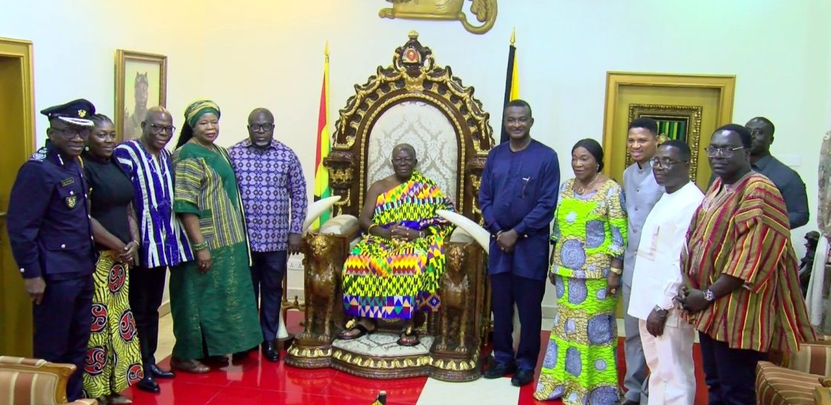
The Asantehene, Otumfuo Osei Tutu II, has challenged the Ghana Revenue Authority (GRA) to expand its tax collection strategies beyond the traditional cohort of formal sector workers and businesses, during a courtesy visit by the tax authority's leadership to Manhyia Palace in Kumasi on Friday, August 7, 2026.
The call represents a significant intervention from one of Ghana's most influential traditional leaders in national fiscal policy. The Asantehene's position underscores growing concerns about Ghana's narrow tax base, which has long been identified as a structural weakness in government revenue generation.
Broadening the tax net
Ghana's informal economy is substantial, accounting for a large portion of economic activity but remaining largely outside the formal tax system. Street vendors, artisans, transporters, market traders and other informal sector workers contribute significantly to Ghana's gross domestic product but contribute minimally to tax revenues. The Asantehene's remarks suggest that tapping into these sectors could unlock substantial additional revenue without placing excessive burden on the existing formal taxpayer base.
The courtesy visit itself indicates the GRA's recognition of the need to engage stakeholders at all levels of society, including traditional leadership. The presence of the Board of Directors, Commissioners and senior members demonstrates the high-level nature of the engagement, suggesting that the authority is serious about strategic dialogue with key institutional actors.
Why it matters for Ghana
Ghana's public finances have faced sustained pressure in recent years, with government struggling to meet expenditure commitments whilst maintaining debt sustainability. Tax revenue as a percentage of GDP remains below many regional comparators, limiting the government's fiscal space for critical investments in education, healthcare, infrastructure and social programmes.
The informal sector employs the majority of Ghana's workforce, yet contributes disproportionately little to the tax base. Broadening tax collection to include informal traders, small enterprises and service providers could generate significant additional revenue. However, this presents logistical and administrative challenges, including the need for better business registration systems, digital payment infrastructure and taxpayer education.
The Asantehene's intervention is significant because traditional authorities command substantial respect and influence in their communities. Their backing for tax compliance initiatives could improve voluntary compliance rates and support GRA's messaging about the importance of taxation for national development. In many Ghanaian communities, traditional leaders remain trusted figures whose endorsement carries weight.
Implementation challenges ahead
Whilst broadening the tax base is economically sound policy, realising it requires sustained effort. The GRA will need adequate resources for registration drives, simplified compliance procedures suitable for informal traders, and community engagement. Digital payment systems must become more accessible in rural and semi-rural areas. Tax literacy campaigns, potentially supported by traditional and community leaders, would be essential.
The Asantehene's call serves as a timely reminder that solving Ghana's fiscal challenges requires not just institutional reform but also social buy-in from all sectors of society. Whether the GRA can translate this high-level endorsement into concrete improvements in informal sector tax compliance will be crucial to Ghana's medium-term fiscal outlook.
Source: 3News


-1200x900.webp)
Comments (0)
Be the first to comment.