
Arise Ghana Demands Government Action as Cocaine Seizures Cast Shadow Over Nation's Reputation
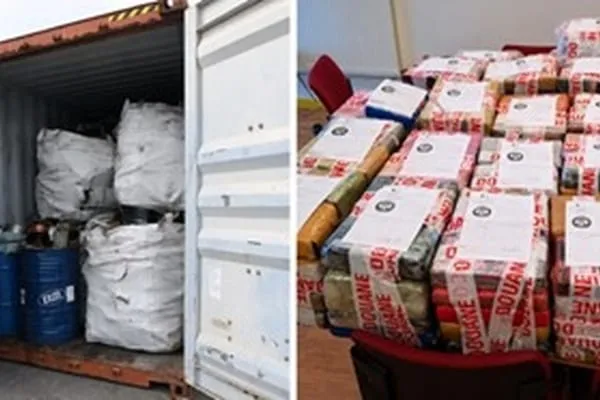

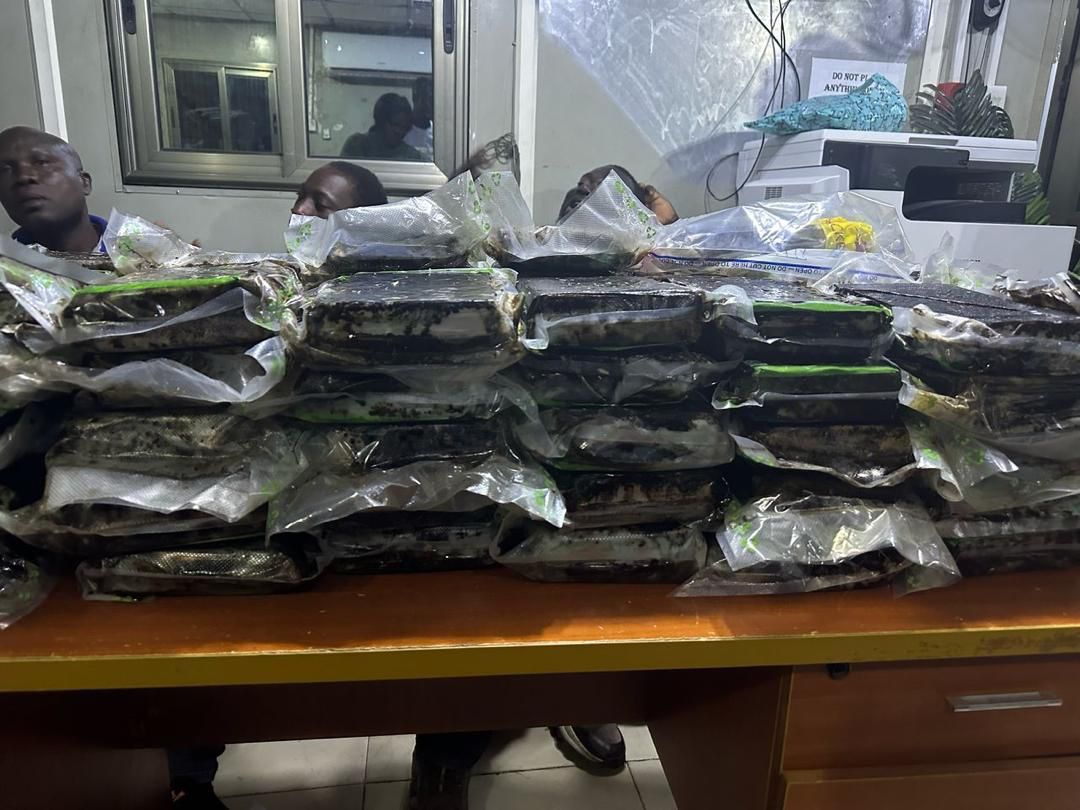
Civil society group Arise Ghana has called on the government to take immediate and decisive action following a troubling rise in cocaine seizures connected to Ghana, both within the country's borders and in foreign jurisdictions. The group warns that if left unchecked, the trend threatens national security, Ghana's hard-won international reputation, and the prospects of the country's youth.
A Pattern That Cannot Be Ignored
Arise Ghana's alarm comes against the backdrop of multiple high-profile drug interceptions in which Ghana has featured either as a country of origin, a transit point, or a destination. Drug trafficking through West Africa has long been a concern for international law enforcement agencies, and Ghana — once widely praised as one of the region's most stable and well-governed states — has increasingly found itself named in connection with significant cocaine consignments.
The group stressed that the sheer frequency of these seizures, occurring both on Ghanaian soil and at ports of entry in Europe and elsewhere, suggests a level of organised criminal activity that demands a coordinated and urgent government response. Arise Ghana is particularly concerned that the country could be drifting towards a reputation as a narco-state if concrete steps are not taken swiftly.
Why It Matters for Ghana
The implications of Ghana being repeatedly linked to cocaine trafficking stretch well beyond law enforcement. At the diplomatic level, a tarnished reputation can complicate relations with key development partners, affect foreign direct investment, and trigger enhanced scrutiny of Ghanaian travellers and businesses abroad. Ghanaians living and working in Europe, North America and elsewhere already report experiencing heightened profiling at borders — a situation that could worsen if the country's association with drug smuggling deepens.
For the youth, the threat is even more direct. Criminal networks typically recruit young people, often those facing economic hardship, as couriers or low-level operatives. Those caught abroad face lengthy prison sentences in foreign jails, far from family and legal support. Many more are drawn into local drug economies that fuel violence and community breakdown. Arise Ghana argues that protecting young Ghanaians from these traps must be treated as a matter of national urgency.
There is also a broader security dimension. The same smuggling networks that move cocaine can be used to traffic weapons, finance extremist activity, or corrupt public officials — all of which pose existential risks to Ghana's democratic institutions at a time when several neighbouring countries are grappling with serious instability.
What Arise Ghana Is Calling For
While the group has not outlined a single prescribed solution, the thrust of their demand is clear: the government must treat drug trafficking as a top-tier national security concern rather than a routine law enforcement matter. This means strengthening inter-agency cooperation between the Ghana Police Service, the Narcotics Control Commission, Customs, and intelligence bodies. It also means ensuring that investigations into major drug seizures are thorough, transparent, and result in prosecutions — not just confiscations.
Arise Ghana is also pressing for greater accountability around how seized narcotics are stored and disposed of, an area that has previously attracted scrutiny in Ghana and across the region. Beyond enforcement, the group is implicitly calling for investment in prevention — addressing the economic vulnerabilities that make young Ghanaians susceptible to recruitment by trafficking networks.
The government is yet to issue a formal response to Arise Ghana's specific demands. However, with pressure mounting from civil society and Ghana's international partners watching closely, the expectation is that authorities will need to demonstrate visible and credible action in the weeks ahead.
Source: 3News


Comments (0)
Be the first to comment.