Archbishop Duncan-Williams sounds alarm over alleged pressure on Ghana's Gold Board from powerful interests
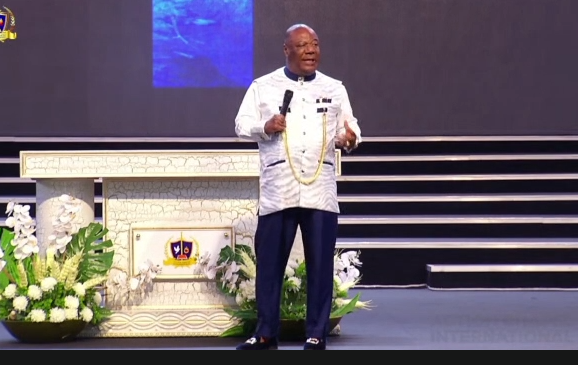
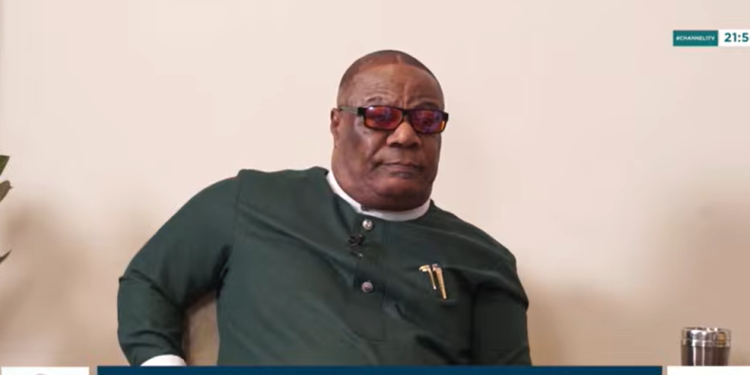
Archbishop Nicholas Duncan-Williams, General Overseer of Action Chapel International, has raised serious concerns about what he describes as coordinated efforts by powerful interests to gain access to Ghana's gold trade through the Ghana Gold Board (GoldBod). Speaking to his congregation on Sunday, the prominent cleric warned that these pressures, combined with rampant illegal mining, threaten the country's future and institutional integrity.
According to the Archbishop, individuals who previously obtained gold through illegal channels are now pivoting toward the formal system. He cited information from unnamed sources, including a sheikh, suggesting that those unable to access gold illegally as easily as before are now seeking pathways into GoldBod's operations. "They can't get the gold like before illegally, so they want some channels to the Gold Board so they can purchase the gold now from the Gold Board," Duncan-Williams explained.
The Archbishop characterised the network behind these alleged interests as highly organised and sophisticated. "It's clear to me that the Gold Board is dealing with a very powerful movement," he stated, describing the individuals involved as well-established operators with deep knowledge of Ghana's gold sector.
Political interference hampering enforcement
Duncan-Williams placed considerable emphasis on the role of political considerations in undermining Ghana's regulatory frameworks. He argued that elected officials and their parties often prioritise electoral interests over enforcing laws designed to combat illegal mining and regulate the gold trade. "Because people don't want to lose their seat in Parliament, or they don't want their party to lose, they give in and allow lawlessness to continue," he observed. This politicisation of resource management, he suggested, creates a permissive environment for those seeking to circumvent regulations.
The Archbishop questioned the effectiveness of existing laws and enforcement mechanisms. "For whatever reason it looks like the rules and the laws are not working because if anybody tries to make it work and enforce the law, we turn everything to politics," he remarked. This dynamic, he argued, enables powerful actors to exploit institutional weaknesses and political gridlock.
Environmental destruction and intergenerational consequences
Beyond concerns about gold trading systems, Duncan-Williams framed the broader issue through an environmental and intergenerational lens. He expressed alarm about the degradation of Ghana's water bodies and agricultural land caused by illegal mining activities. The contamination of water resources and poisoning of farmland, he warned, could eventually undermine the country's food security and economic resilience.
"We are poisoning the land," Duncan-Williams said, emphasising that current practices threaten future generations' ability to inherit a healthy and prosperous nation. He cited his study of history as informing his conviction that Ghana faces a critical juncture regarding natural resource management and environmental stewardship.
Why it matters for Ghana
This intervention by one of Ghana's most influential religious leaders highlights ongoing tensions between formal regulation of the gold sector and the persistence of informal, illegal, and politically-protected activities. Ghana's gold industry is critical to the national economy, and the integrity of institutions like GoldBod is central to maximising revenue and ensuring sustainable resource extraction. The Archbishop's warnings suggest that institutional capture and political interference remain significant obstacles to effective governance of this vital sector.
The broader concern about environmental degradation resonates with long-standing complaints from civil society about the ecological toll of unregulated mining. Water pollution, soil contamination, and loss of arable land are well-documented consequences of illegal small-scale and artisanal mining in Ghana. Duncan-Williams's framing of this as an intergenerational justice issue may amplify public pressure on policymakers to strengthen enforcement of mining regulations and protect Ghana's natural resources.
The Archbishop's call for prayer and intercession also reflects a broader civil society concern that political will remains insufficient to tackle these interconnected challenges effectively. His emphasis on the need to move beyond partisan interests and toward long-term national interest suggests growing frustration within influential religious circles about Ghana's governance trajectory on resource management issues.
Source: MyJoyOnline
Comments (0)
Be the first to comment.