Archbishop Duncan-Williams sounds alarm on galamsey threat to Ghana's future generations
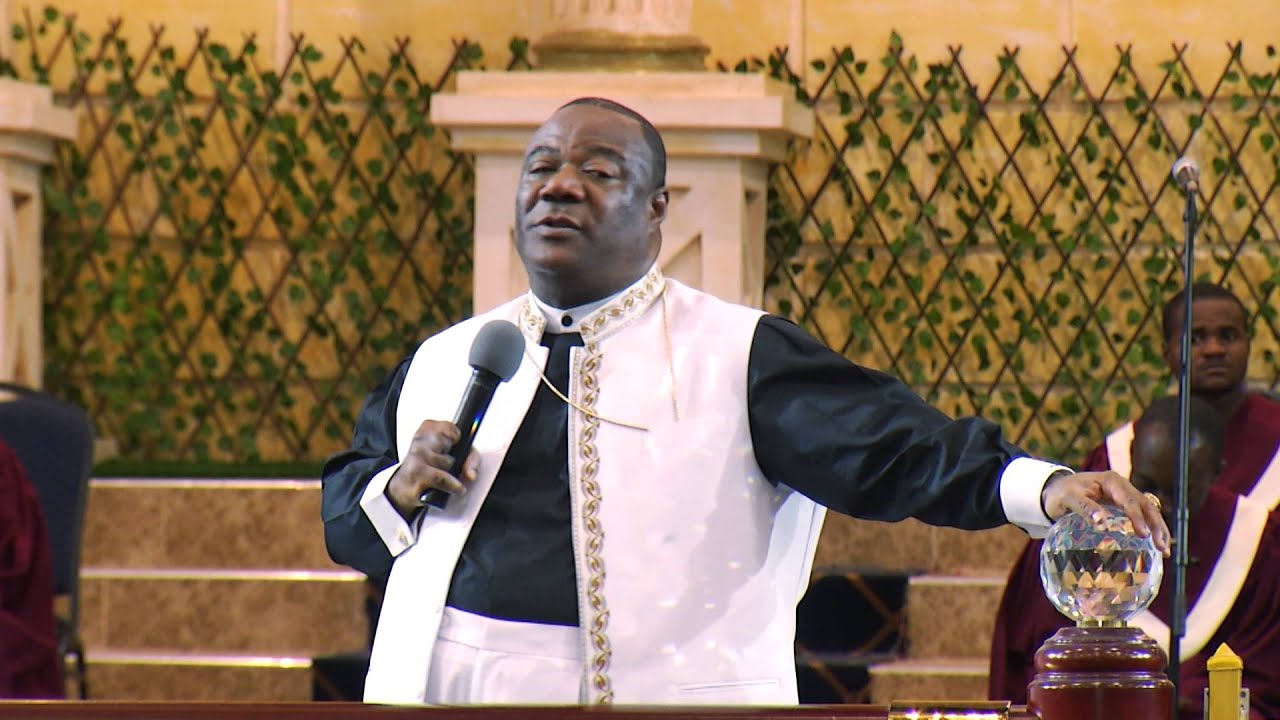
Archbishop Nicholas Duncan-Williams, Founder and General Overseer of Action Chapel International, has sounded an urgent warning about the existential threat posed by illegal mining to Ghana's future, arguing that the environmental destruction caused by galamsey operators is mortgaging the country's natural inheritance for generations yet unborn.
Speaking during a church service on Sunday, 16 August, the prominent clergyman expressed deep concern about how Ghana is stewarding its critical natural resources, particularly water bodies and arable land. He painted a stark picture of a nation systematically degrading the foundations of food security and clean water access through unchecked illegal mining activities.
"I take time to study history a lot, and some things are bothering me and one of them is how we are managing the future of our children and our grandchildren when it comes to our water bodies, when it comes to the land that produces crops and the food we eat," Duncan-Williams stated, underscoring that the true victims of today's galamsey epidemic will be those born decades from now.
The environmental and social cost
The Archbishop detailed how illegal mining is poisoning Ghana's land and degrading rivers at an alarming rate, consequences that extend far beyond immediate community disruptions. He highlighted the interconnected threats: polluted water sources directly compromise public health, whilst degraded farmland reduces agricultural productivity and threatens food sovereignty. These are not abstract concerns—they represent core vulnerabilities that will intensify as environmental damage accumulates.
Duncan-Williams described the current trajectory as deeply troubling, emphasising that Ghanaians are "poisoning the land" through activities that have become normalised despite their catastrophic long-term implications. The message resonates against the backdrop of documented cases of mercury contamination in water bodies, destroyed farmland, and displacement of rural communities across mining hotspots in regions like the Ashanti, Eastern, and Western North regions.
The political obstruction problem
A significant portion of Duncan-Williams' critique targeted the politicisation of law enforcement against illegal mining. He argued that political calculations have systematically undermined anti-galamsey operations, with politicians reluctant to enforce environmental and mining regulations if doing so risks electoral consequences or party popularity.
"If anybody tries to make it work and enforce the law, we turn everything to politics," he said, capturing a frustration widely shared by environmental activists and civil society organisations. His observation—that MPs and party officials sometimes tolerate illegal mining to preserve electoral support—touches on a persistent governance challenge in Ghana. Galamsey operations often generate cash income and informal employment in economically marginalised areas, creating political constituencies resistant to crackdowns.
The Archbishop warned that this prioritisation of short-term political interests over long-term national welfare allows lawlessness to persist unchecked, perpetuating a cycle where enforcement becomes selective and ineffective.
Why it matters for Ghana
Duncan-Williams' intervention adds a influential moral and spiritual voice to ongoing debates about galamsey. His framing—centring on intergenerational justice and the rights of future Ghanaians—shifts the conversation away from immediate economic gains toward sustainability and national inheritance.
Ghana's mining sector, both legal and illegal, generates significant revenue but the environmental costs are borne disproportionately by rural communities and absorbed into future liabilities. As water tables drop, soil fertility declines, and aquatic ecosystems collapse, the costs of remediation will fall on future generations who had no say in the extraction.
The Archbishop also signalled his intention to mobilise religious spaces for advocacy on environmental stewardship, indicating that spiritual institutions could play a larger role in building pressure for stronger enforcement and behavioural change.
Duncan-Williams' call for prayer and intercession may resonate in Ghana's deeply religious society, potentially translating concern into concrete action—whether through congregation-level awareness, pulpit pressure on politicians, or grassroots mobilisation against galamsey sites.
Source: MyJoyOnline




Comments (0)
Be the first to comment.