Afriyie Slams GFA's Coaching Search Process: 'We Should Have Had Backups Ready'
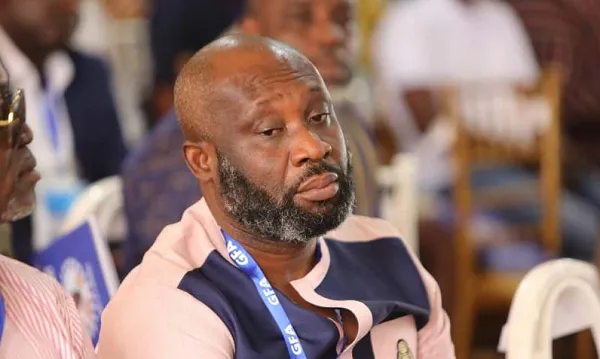
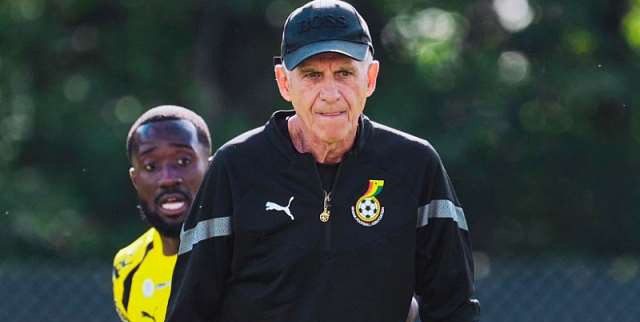
Former Ghana Football Association Vice President George Afriyie has launched a pointed critique of the GFA's approach to finding a successor to Carlos Queiroz, arguing that the appointment of a five-member search committee reveals poor planning and foresight at the federation's highest levels.
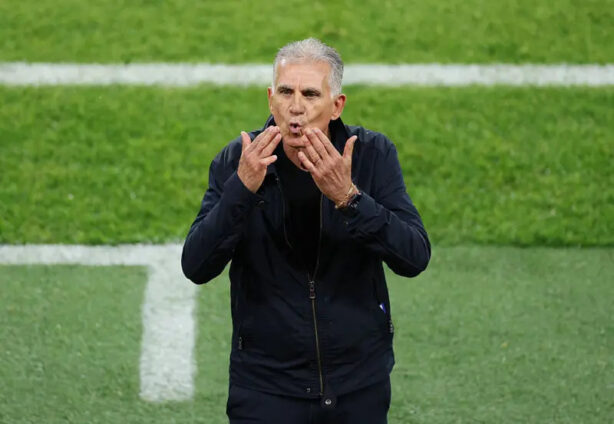
Afriyie's comments come as the GFA moves to establish a formal committee tasked with identifying and vetting candidates for the Black Stars head coaching position following Queiroz's departure. The ex-GFA official contends that a well-run football administration should have already identified and cultivated relationships with potential replacement coaches before their current manager leaves office.
The Timing Problem
At the heart of Afriyie's criticism is the reactive nature of the GFA's current process. Rather than proactively scouting and building relationships with promising coaching candidates—a practice standard at elite football federations—Ghana appears to be scrambling to fill the vacancy after Queiroz's exit became imminent. This approach, Afriyie suggests, puts the Black Stars at a disadvantage when competing with better-resourced nations for top-tier coaching talent.
The formation of a committee itself isn't necessarily problematic; however, the timing raises questions about the GFA's strategic planning capabilities. A professional football federation typically maintains an ongoing list of potential candidates across different experience levels and tactical philosophies, allowing for swift transitions that minimise disruption to team performance and squad stability.
What This Means for Ghana's Football Future
The debate highlights deeper structural issues within Ghana's football governance that have frustrated observers and stakeholders for years. The GFA's reactive approach to major institutional decisions—from coaching appointments to tournament preparations—has occasionally left the national team in precarious positions.
For Ghanaians who follow the Black Stars closely, this situation underscores familiar frustrations. The national team's performance on the continental and world stage depends heavily on consistent, strategic planning at federation level. Appointing a coach hastily, without proper vetting and consideration, risks repeating cycles of underperformance and frequent managerial changes that have plagued the team in recent years.
Afriyie's intervention adds pressure to the GFA to ensure the new coaching appointment is thorough and strategic rather than expedient. Ghana's football fans will be watching closely to see whether the committee's work produces a genuinely transformative appointment or merely a stopgap measure.
The Road Ahead
The search for a new Black Stars coach comes at a critical juncture, with upcoming Africa Cup of Nations qualifiers and other competitive fixtures requiring the team to perform at a high level. The federation must balance the need for swift decision-making with the imperative to identify a coach who can deliver sustained improvement in both results and squad development.
While Afriyie's criticism may seem harsh, it reflects a broader expectation among Ghana's football community that the GFA should operate with greater strategic sophistication and foresight—particularly when the stakes involve the nation's most visible sporting asset.
Source: 3News

Comments (0)
Be the first to comment.