Infrastructure crisis exposed: Queiroz's exit reveals Black Stars' systemic problems
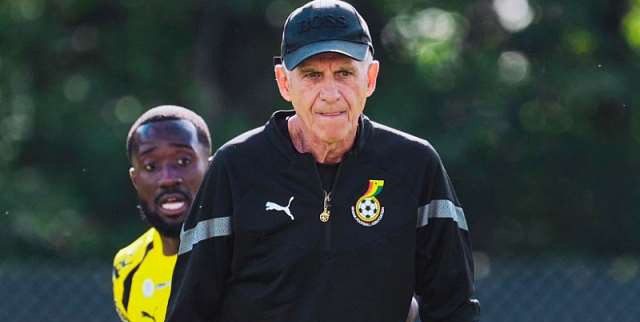
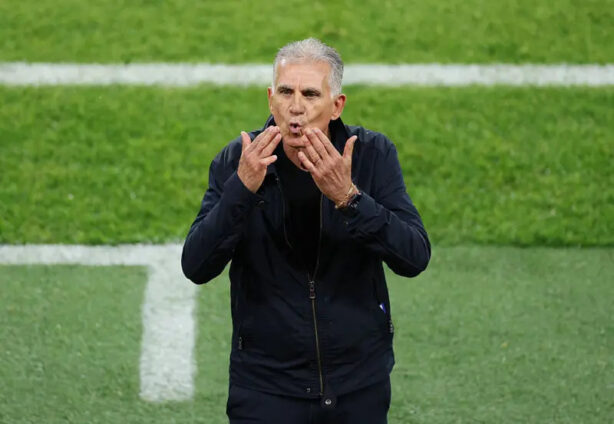
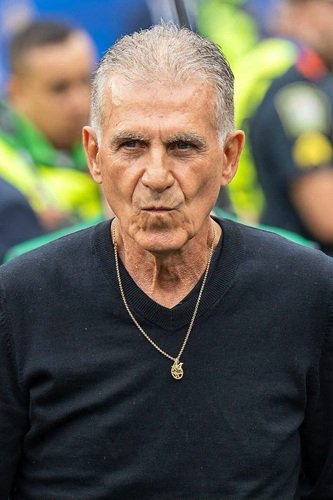
Ghana's football infrastructure crisis has claimed another high-profile casualty. Portuguese coach Carlos Queiroz, who took charge of the Black Stars earlier this year, has departed the role citing the country's inadequate training and playing facilities—a damning indictment of the state of Ghanaian football at its highest level.
According to Ghana Football Association Communications Director Henry Asante Twum, Queiroz was particularly concerned about the national team's lack of a dedicated training camp and permanent base. The coach found it problematic that the Black Stars trained and played at the same venue, a practice he believed compromised both pitch quality and team preparation standards. From a technical and scientific standpoint, Queiroz viewed the arrangement as suboptimal for competitive success at the international level.
The issue extends beyond training grounds. Ghana currently operates with only one approved stadium, a limitation that alarmed the experienced tactician. For a nation aspiring to compete at the Africa Cup of Nations and World Cup qualifiers, this represents a significant handicap compared to regional rivals with multiple international-standard facilities.
A troubling start compounds existing challenges
Queiroz's departure arrives at a particularly damaging moment for the Black Stars. Ghana's 2027 Africa Cup of Nations qualifying campaign has begun disastrously, with losses to Ivory Coast (0-2 away) and The Gambia (2-4 at home) leaving the team bottom of Group C without a point. These results were not merely poor performances—they reflected deeper organisational and preparation issues that likely frustrated a coach accustomed to working with well-resourced national teams.
The timing suggests infrastructure shortcomings may have compounded tactical frustrations. Elite coaches expect professional environments: proper training grounds with multiple pitches, recovery facilities, and accommodation where teams can establish routines and cohesion. The absence of such infrastructure sends a message about institutional investment in the national team.
Why it matters for Ghana
This situation exposes uncomfortable truths about Ghana's football ambitions versus its commitment to supporting them. The nation hosts the Black Stars but has failed to build the basic infrastructure necessary for competitive international football. While the GFA and government have set targets—including qualification for the 2027 AFCON and a return to the World Cup—they have not matched these ambitions with corresponding investment.
The consequence is predictable: Ghana struggles to attract and retain top coaches, teams underperform, and the nation's football legacy continues to fade. Regional neighbours have made similar infrastructure investments, creating competitive advantages both on and off the pitch. Without urgent action, Ghana risks becoming a second-tier African football nation.
The GFA has established a five-member committee to find Queiroz's successor, with recommendations due to the Sports Ministry on 9 October. Whoever takes the job faces immediate pressure: two qualifying matches against Somalia in October, and the fundamental challenge of preparing a team without adequate facilities. The committee must also consider whether any candidate, however experienced, can succeed without addressing the infrastructure problem that drove away their predecessor.
Ghana's football crisis cannot be solved by coaching alone. It requires genuine investment in facilities, administration, and long-term planning—precisely the foundation that Queiroz found wanting.
Source: The Ghana Report
-4.jpg)

Comments (0)
Be the first to comment.