Afenyo-Markin Challenges NDC to Allow Parliament Scrutiny of Ghana Gold Board Financial Losses

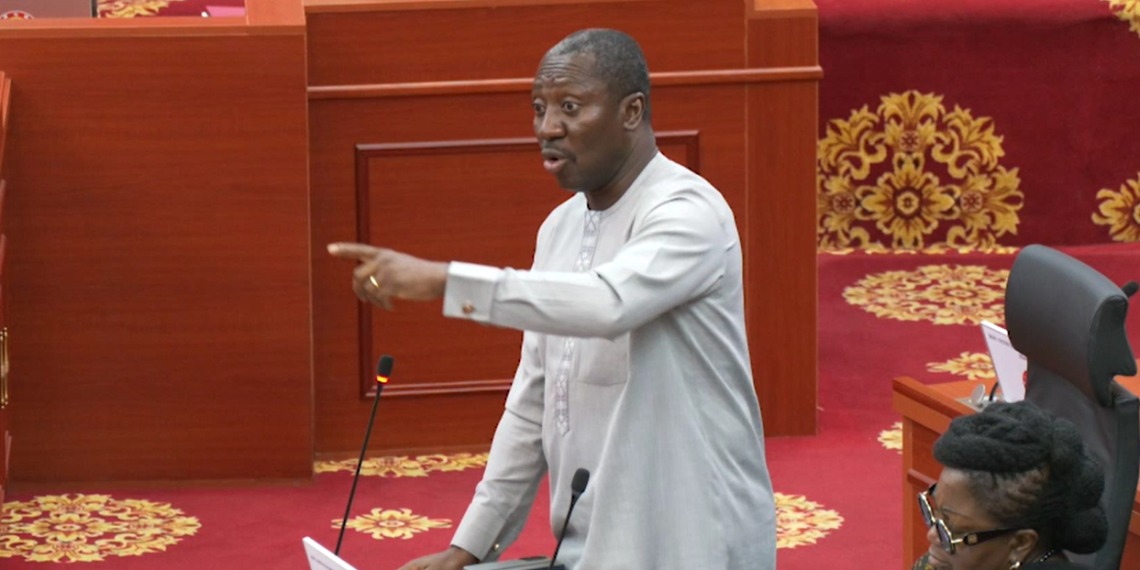
Opposition Minority Leader Alexander Afenyo-Markin has issued a pointed challenge to the ruling National Democratic Congress (NDC) majority in Parliament, urging them not to use their numerical advantage to silence scrutiny of the Ghana Gold Board (GOLDBOD) over significant financial losses.
In his appeal, Afenyo-Markin argued that blocking parliamentary inquiry into the state agency's reported losses would represent a misuse of the supermajority mandate and undermine the legislature's constitutional oversight role. The call reflects growing tension between the two political blocs over transparency in state institutions, particularly those managing Ghana's critical natural resources.
The scrutiny at stake
The motion in question seeks to establish comprehensive accountability mechanisms for the losses allegedly incurred by GOLDBOD, the government entity responsible for managing Ghana's gold reserves and trade. The exact scale of the reported losses remains a focal point of debate, with the opposition demanding full disclosure of financial records and management decisions that led to the discrepancies.
Afenyo-Markin's intervention signals that the Minority is prepared to maintain pressure on governance issues despite holding fewer parliamentary seats. His warning against using the supermajority to block debate suggests that the Majority may have indicated unwillingness to prioritise the motion.
Why it matters for Ghana
Ghana's gold sector is critical to the national economy, generating substantial foreign exchange and providing government revenue. Public confidence in institutions managing these resources directly affects investor sentiment and Ghana's international economic standing. Any significant losses—whether through mismanagement, fraud or operational failures—represent losses to the state and ultimately to Ghanaian citizens.
Parliamentary scrutiny of such institutions is a fundamental democratic safeguard. When majorities use their numbers to prevent debates on financial accountability, it erodes public trust in governance and weakens the legislature's ability to check executive power. This principle applies regardless of which party holds the supermajority.
The GOLDBOD case also reflects a broader pattern in Ghana's politics: opposition calls for transparency in state institutions have become routine, particularly when previous administrations or their appointees remain implicated in financial irregularities. The NDC government's response to such demands will set expectations for accountability in its first term back in power.
The broader context
Ghana's recent political history includes several high-profile cases of institutional financial losses and alleged mismanagement. Citizens across the political spectrum have expressed frustration when parliamentary inquiries appear politically motivated or when majorities block investigations deemed inconvenient. Afenyo-Markin's appeal is partly a test of whether the new administration will demonstrate commitment to impartial governance.
The outcome of this particular motion—whether the NDC permits debate or blocks it—will likely influence public and opposition perception of the government's sincerity on anti-corruption pledges.
Source: 3News



Comments (0)
Be the first to comment.